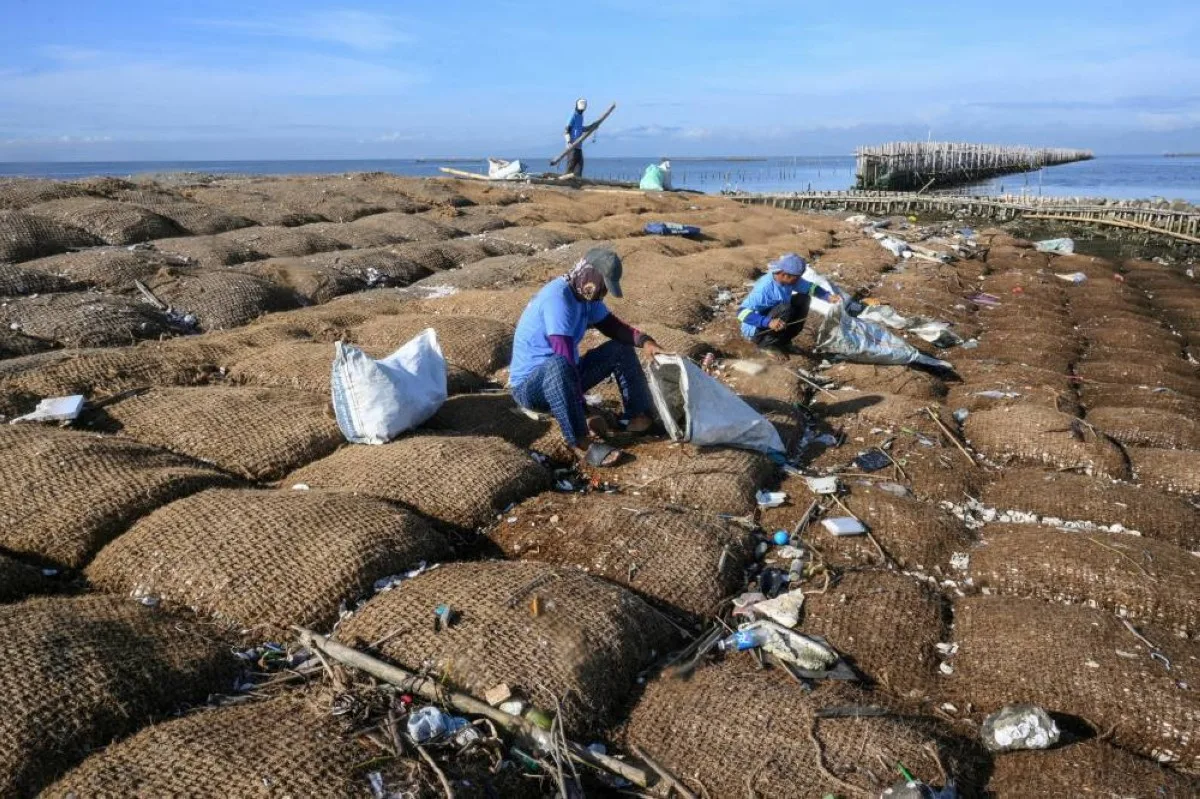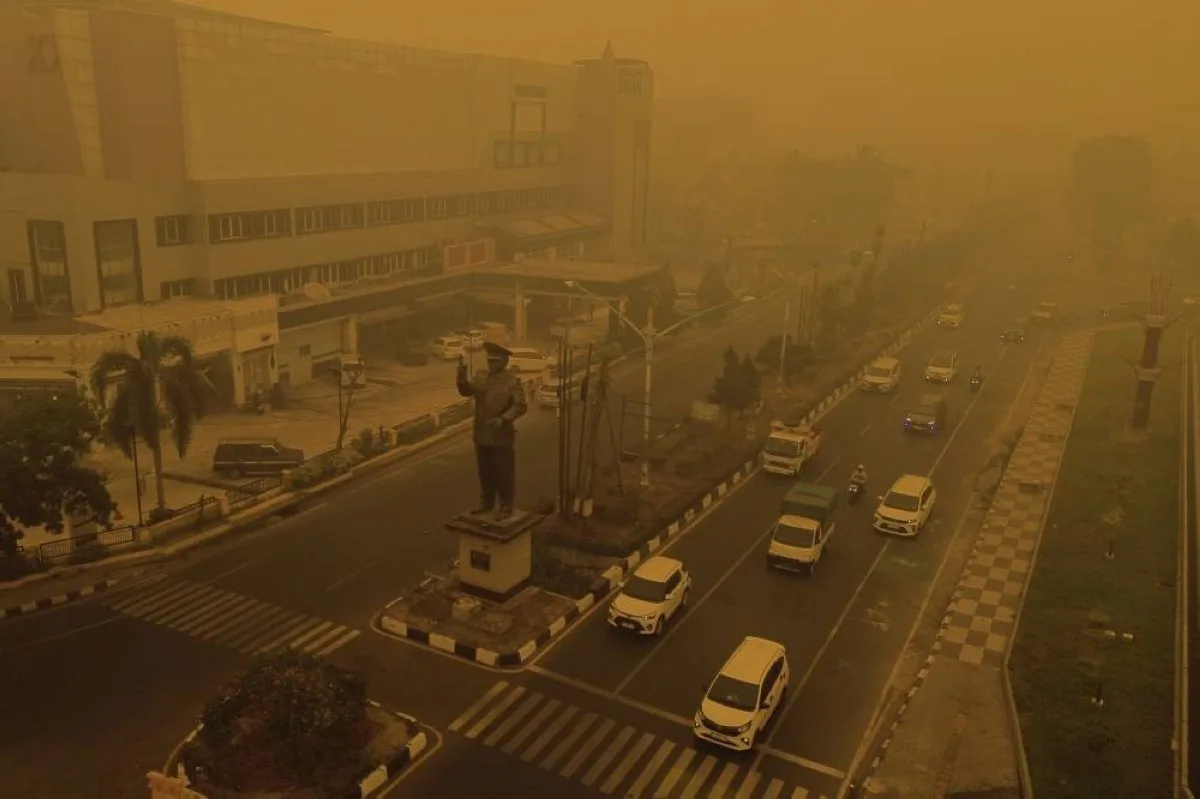
Forest fires in Indonesia in September 2023 resulted in the deaths of approximately 3,560 people. This figure is significantly higher than the estimated 1,780 in August and reflects the serious impacts of the environmental situation in the country.
Air Pollution and Its Effects
According to a new report from a think tank based in Helsinki, about 57.8 million people in the country breathed unhealthy and hazardous air in September. This study examined mortality due to short-term exposure to fine PM2.5 particles. These particles can penetrate the lungs and bloodstream, and the World Health Organization (WHO) has linked them to an increased risk of disease and premature death. The highest mortality rates occurred in the regions of Borneo, Java, Sumatra, and eastern Indonesia.
Read more: UN Climate Change Panel Chair calls for a swift end to the deadlock on key scientific report
Other Sources of Pollution and Government Response
Researchers have also estimated that pollution from other sources, including electricity generation, industry, and transportation, accounted for an additional 1,750 deaths in September. In total, the number of deaths in this country with a population of about 290 million reached 5,310. In Java, the most populous island and home to the capital, Jakarta, the highest mortality from air pollution, totaling 1,530, has been attributed to non-fire sources such as industry, vehicle emissions, and waste burning.
The Indonesian government presented its defense on Wednesday, stating that over 72,000 people participated in cloud seeding and firefighting operations. Additionally, more than 2,100 doctors and health workers have been dispatched to affected areas, and 5.3 million masks have been distributed. However, August Sari, executive director of Landscape Indonesia consultancy, criticized the government's poor preparedness for this anticipated and avoidable crisis, citing budget cuts in the National Disaster Management Agency (BNPB).
Indonesia has faced widespread fires in recent months, exacerbated by drought caused by the El Niño phenomenon. According to a report from the Nusantara Atlas deforestation monitor, over 1.9 million hectares of land have burned in the first nine months of 2023. This figure has not yet been confirmed or denied by the government. Experts largely attribute the fires to land-clearing practices, including burning, often conducted by companies in timber, palm oil, and mining.
Read more: Pacific countries' efforts to stabilize the 1.5-degree target in COP climate negotiations · Latest status of the vessel incompatibility list in the Persian Gulf