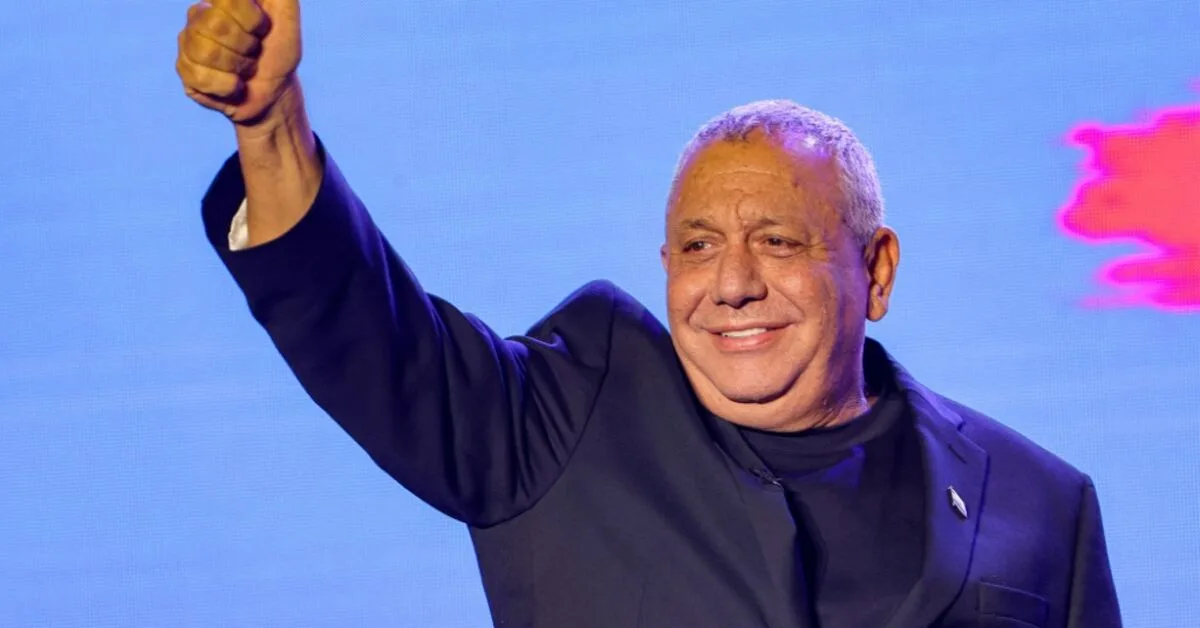
Gadi Eisenkot, a man who could potentially oust Benjamin Netanyahu, the Prime Minister of Israel, typically wears black clothing, speaks English hesitantly, and responds in a punctuated manner during interviews, reflecting the military culture that has shaped him.
Differences Between Eisenkot and Netanyahu
For some voters in the general election on Tuesday, Eisenkot's lack of charisma may actually be one of his greatest advantages. Eisenkot, a serious and unassuming man, is in many ways the opposite of Netanyahu, Israel's long-serving Prime Minister known for dominating the media and attracting public attention.
Eisenkot, Chief of Staff of the army from 2015 to 2019, has promised to unite Israelis after Netanyahu's divisive era. He is particularly focused on Israel's international image, which has been severely damaged after three years of war in Gaza and violence in the West Bank.
Eisenkot's Election Promises
Eisenkot has pledged to combat extremist settlers in the West Bank who have recklessly attacked Palestinians, including a recent assault on an American journalist and a French mayor. He condemned these incidents as "Jewish terrorism" facilitated by Netanyahu's government.
However, Eisenkot, as a military man, does not hold pacifist views. He has even attempted to align himself with right-wingers by promising not to establish a Palestinian state, thus reverting to Netanyahu's previous statements where he had temporarily expressed readiness for this idea.
Given his labor roots, Eisenkot could be Israel's first Sephardic Prime Minister. He was born into a family of Moroccan Jews and grew up on the geographical margins of Israel. This background peaked when a senior analyst on a Netanyahu-supporting television network described Eisenkot as a "Gori" controlled by "Ashkenazi elites."
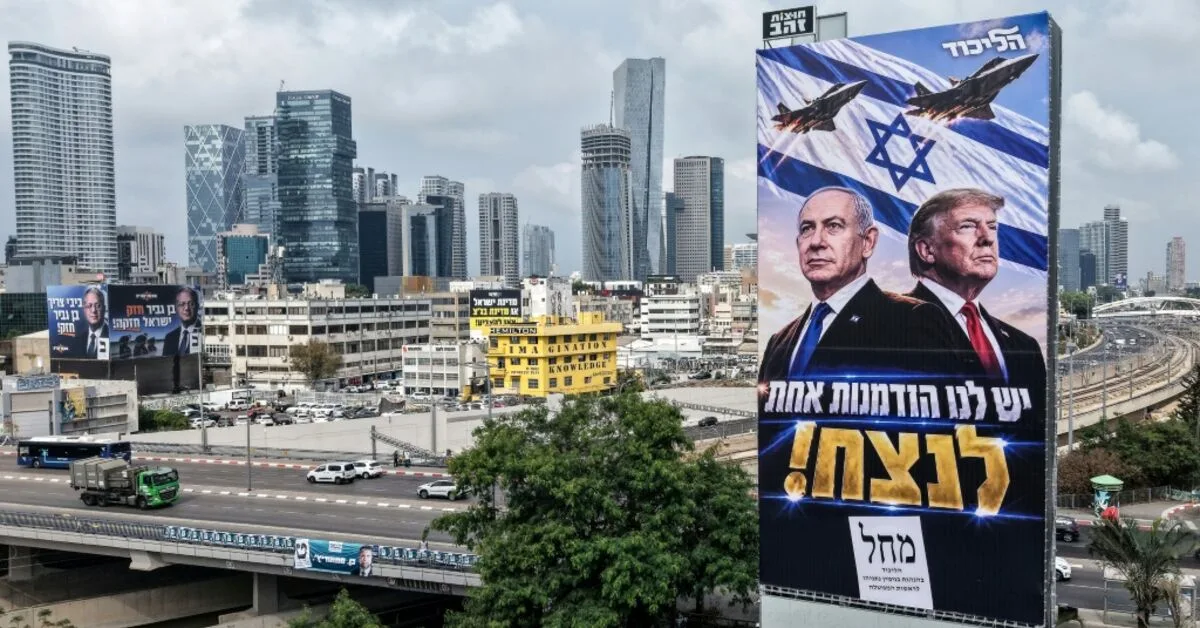
Building on this theme, Eisenkot has released billboards condemning discrimination against Sephardim, and his party has accused Netanyahu of sidelining Sephardic members of the Likud party by limiting their media presence during the campaign.
In two events over the weekend, Eisenkot moved from meeting with LGBTQ activists and promising greater support for this community in a modern café to meeting with religious Jews who defended Israel's control over the West Bank. He told representatives of the religious Zionism movement: "Israel's settlement in the West Bank is a value, provided it serves the interests of the State of Israel and is done according to the law."
He seems to reject the establishment of unauthorized outposts that have led to increased violence against Palestinians. Regarding Gaza, he has promised to end Hamas's rule within 18 months. He recently stated that this could be achieved through the implementation of former President Donald Trump's ceasefire plan or through "creative operations" to dismantle the military wings of the group.
Eisenkot has also pointed to one of the main sources of dissatisfaction among Israelis following three years of war, promising to limit military service exemptions for religious students. He has pledged to implement a "universal public national service law" that would require ultra-Orthodox Jews and Arab citizens to either serve in the military or perform civil service.
Additionally, Eisenkot is trying to attract moderate and liberal voters, addressing this with promises to "protect judicial independence, the rule of law, minority rights, and a free press." In his last major rally before Tuesday's voting, he directly urged Netanyahu's wavering supporters to change their vote: "Deep down, you know that Israel cannot continue like this. Israel needs change."