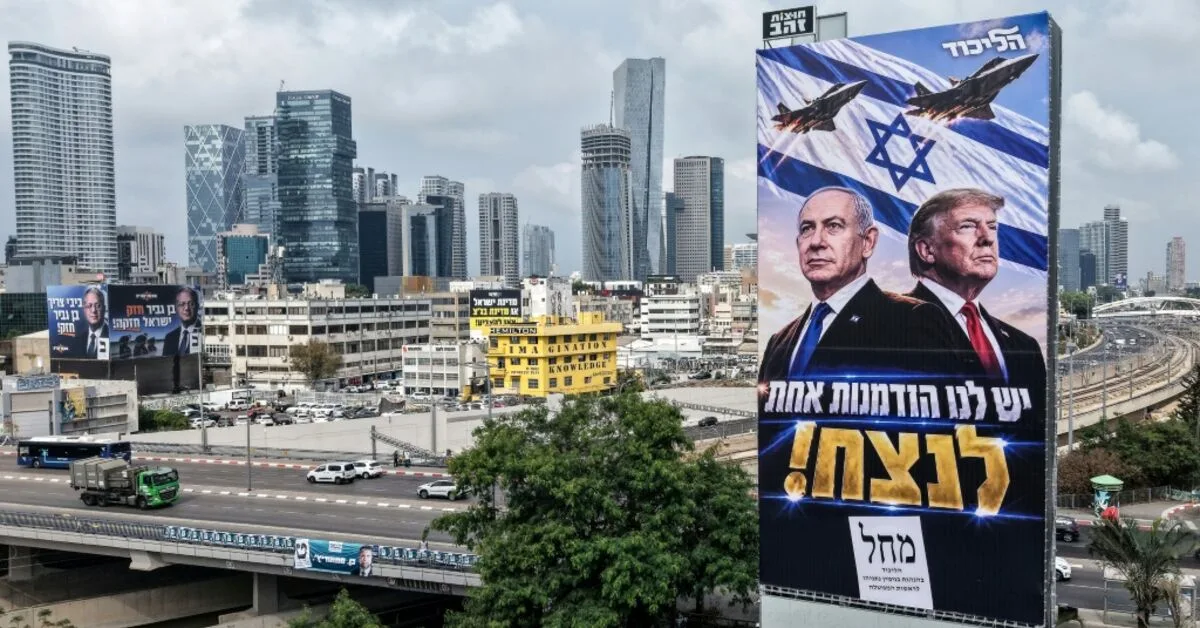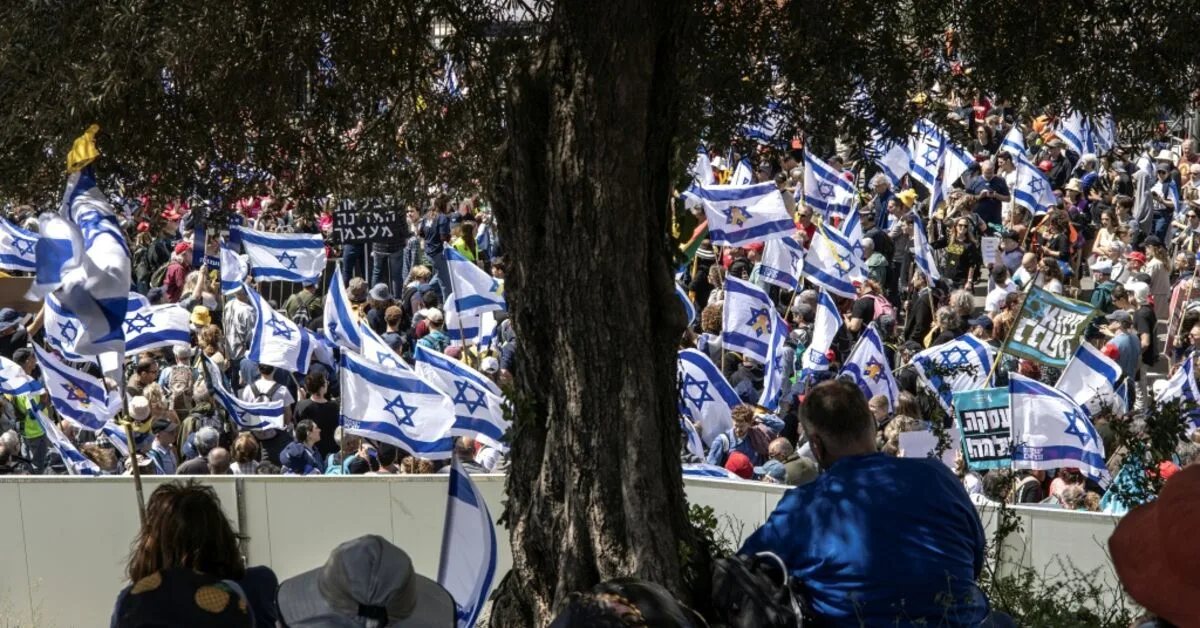
The Israel elections on Tuesday will address key issues including military service, the economic situation, and how to investigate the October 7, 2023 attacks that resulted in the deaths of over 1,200 people. This day has been marked as the deadliest in Israel's history, with profound national consequences that are still being felt.
Demand for Independent Investigation
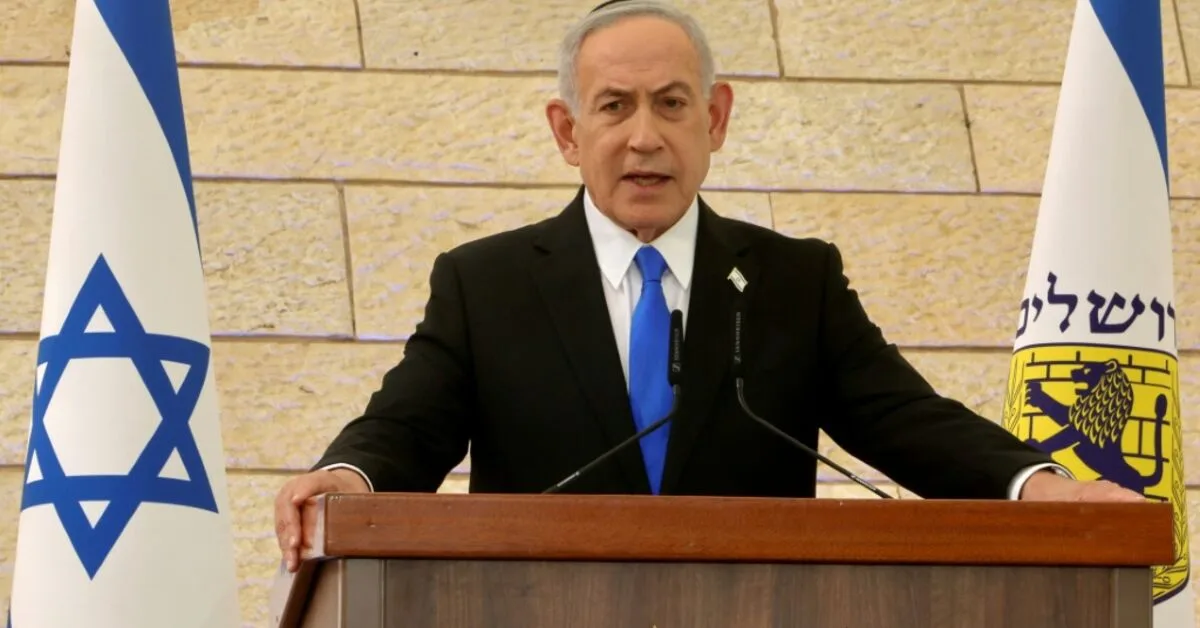
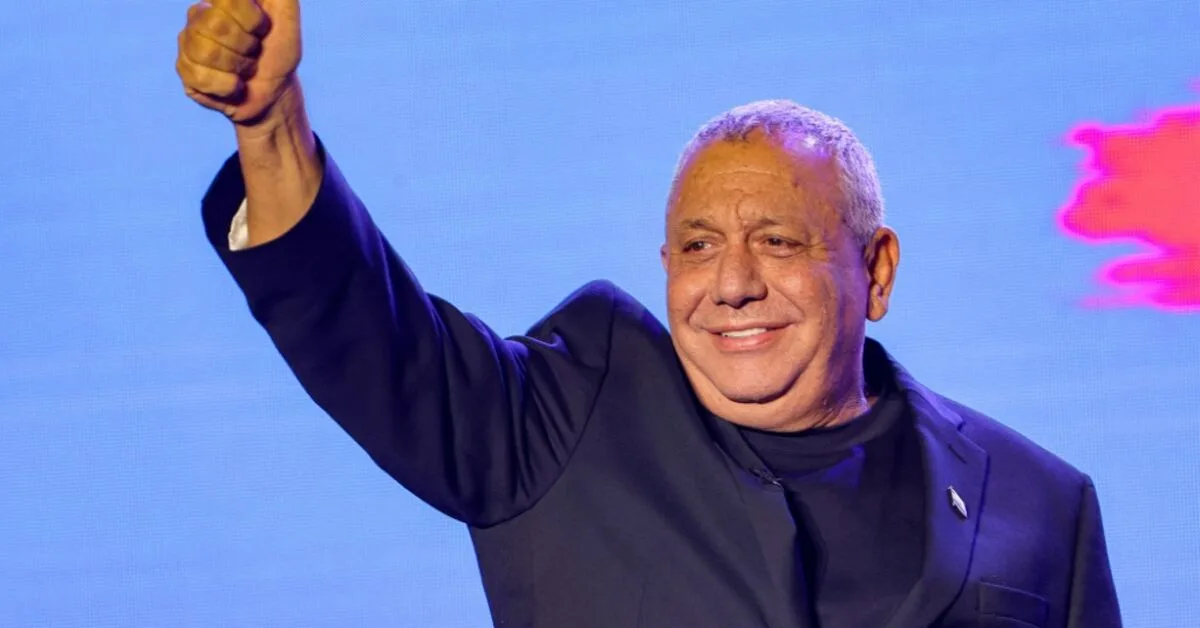
Many Israelis are calling for the establishment of an independent inquiry commission regarding the failures that led to the Hamas attack. Benjamin Netanyahu, the Prime Minister of Israel, and his main rival, Gadi Eisenkot, the former army commander, have differing views on this matter. Eisenkot has emphasized that creating an inquiry commission could help prevent similar incidents in the future, while Netanyahu's government has rejected this request and criticized security agencies for their failure to prevent the attack.
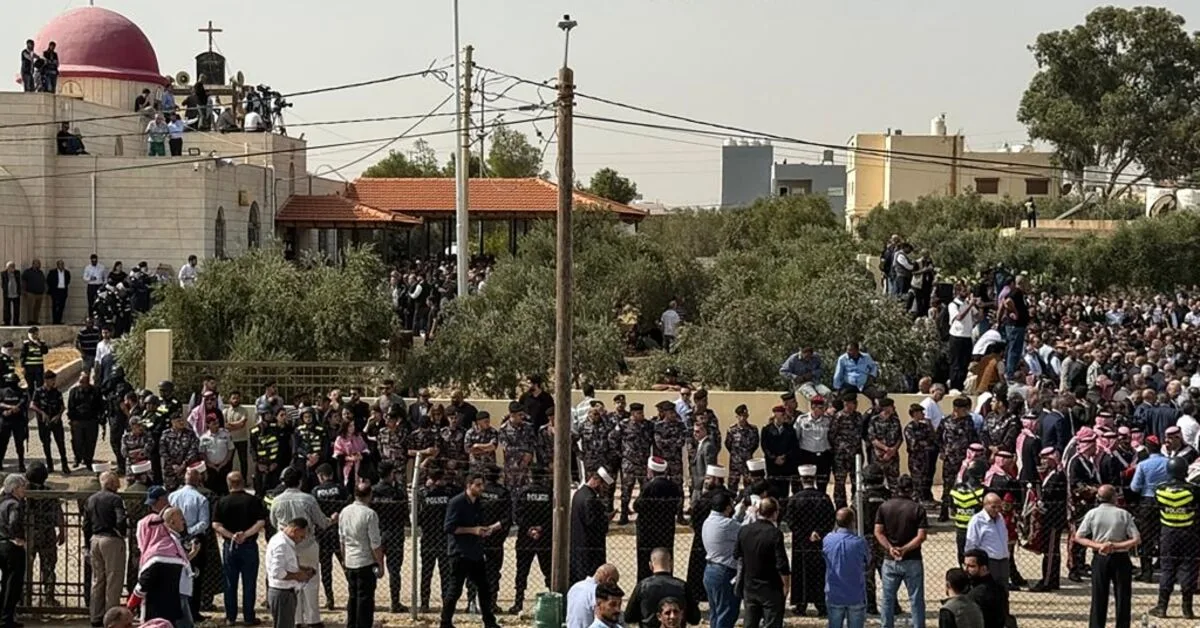
Read more: Attack on St. George's Church in Jordan and Social Reactions
Military and Economic Challenges
Instead of addressing the criticisms, Netanyahu's government has proposed establishing a bipartisan commission whose members will be appointed by politicians. Yair Lapid, one of the opposition figures, has described this commission as a tool to absolve officials and prevent a genuine investigation.
Meanwhile, Netanyahu is facing increasing criticism for ignoring early warnings, particularly from the United Arab Emirates, which had alerted him about Hamas's plans for a major operation. Additionally, issues related to military service have turned into a broader discussion about Israeli identity. Ultra-Orthodox parties are calling for the preservation of exemptions that allow religious students to avoid military service. In contrast, Eisenkot, who lost his own son in the Gaza war, has challenged these exemptions and accused Netanyahu's government of promoting draft evasion.
Israel's economic situation is also under pressure, especially with high living costs and a housing shortage stemming from longstanding structural issues. Despite strong economic growth, Israel's defense budget has doubled since 2023, putting further strain on public financial resources. Recently, Netanyahu proposed using blockchain technology to create an "alternative economy" to counter banking sanctions. These remarks have faced criticism from the Bank of Israel, and his electoral rivals have interpreted this as a sign of the negative consequences of Netanyahu's leadership.
Read more: Gadi Eisenkot emphasized the unity of Israel while Netanyahu accused him of being soft on Iran · $13 Chicken Sandwich in Beirut Symbolizes Lebanon's Class Divide