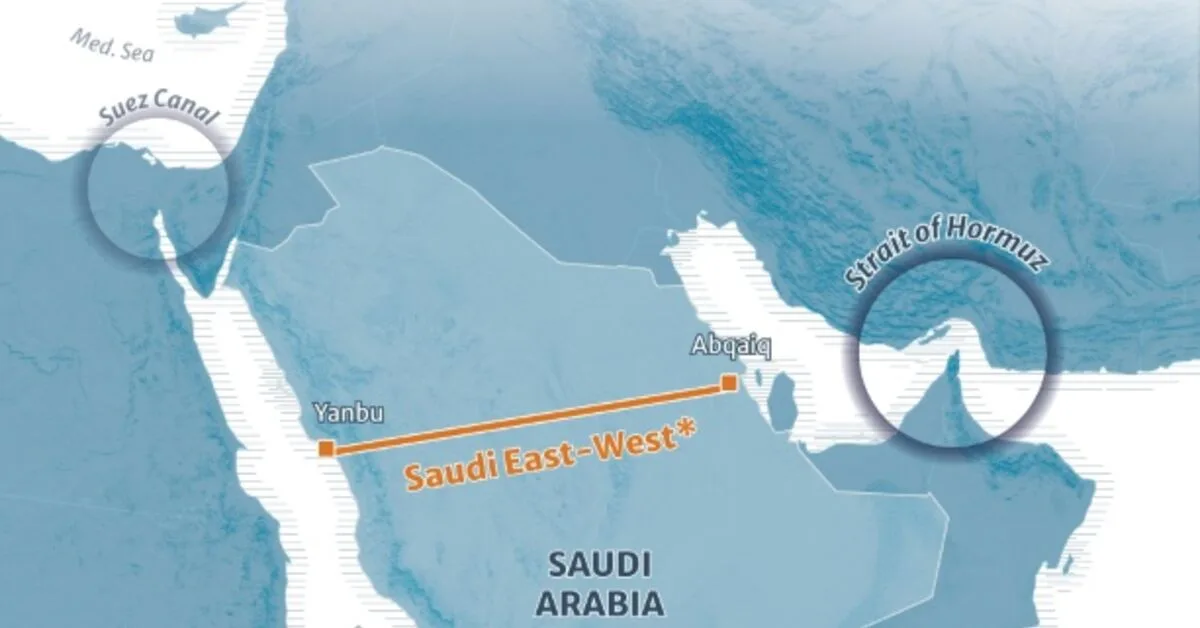
As the war in the Middle East has flared up again, gas prices in Iran have sharply increased, directly impacting the inflation rate. According to the latest statistics, inflation in Iran is now more than one percent above the federal target, which is 2 percent.
Consequences of the Gas Price Increase
The increase in gas prices is recognized as a key factor in inflation growth. This rise has not only added to consumer costs but has also had negative effects on industries and businesses. With rising energy prices, the costs of production and transportation of goods have increased, which in turn has led to higher prices for goods and services in the market.
Economic experts believe that the continuation of this trend could exacerbate the economic crisis in the country. Given the current conditions, the government faces serious challenges in controlling inflation and maintaining economic stability. Meanwhile, the war in the region acts as a destabilizing factor, adding to economic uncertainties, and there seems to be no signs of improvement in the short term.
Future Outlook
Considering the current situation, Iran's economic future is influenced by both internal and external factors. Although the government's efforts to control inflation and stabilize prices continue, the realities on the ground indicate that the challenges are beyond what can be easily resolved. In these circumstances, people expect the government to take serious measures to address rising prices and improve living conditions.