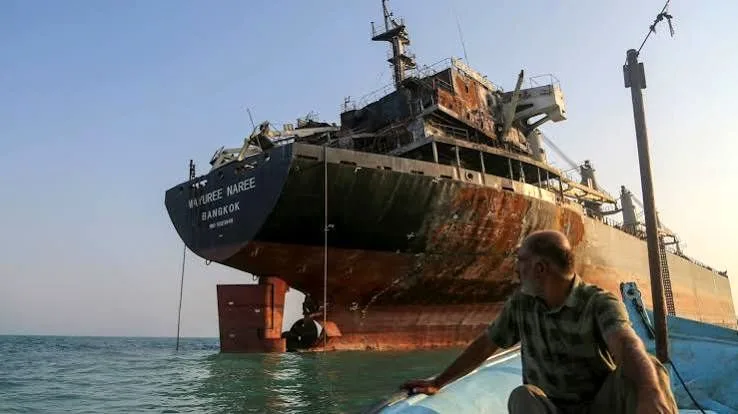
The Strait of Hormuz has always been a vital passage for a wide range of goods, from raw materials and chemical fertilizers to grains and medical equipment. However, the escalation of military tensions in the region has completely transformed the landscape of goods trade in the Persian Gulf, presenting economic actors with unprecedented challenges in finding alternative routes.
Challenges Arising from Military Tensions
The current situation has become very difficult for traders who chose Dubai as a strategic link between Asia and Europe for their activities. For instance, companies importing health equipment and medical consumables from Southeast Asia are now grappling with a heavy surge in costs. The shipping fee for a 40-foot container from China to the UAE, which was around $1,250 before the closure of most of the Strait of Hormuz, has increased to as much as $10,000.
Read more: Increase in Japan's Nikkei Index Following Oil Price Drop
Simultaneously, the marine insurance cost for each container has risen from $120 to about $1,000, and the travel time for goods has doubled to 60 days. Most of these shipments are stuck in intermediary ports such as Mundra in India or Colombo in Sri Lanka, waiting for their turn to be reloaded.
Impact on Exports and Imports
Although statements from U.S. officials emphasize that the Strait of Hormuz remains open, the ground reality shows that this route is practically blocked for non-oil commercial goods. Washington's focus on oil exports has led to neglect of the trade flow of other goods, and businesses have been incurring hefty costs for months to circumvent the conflict zones.
The Persian Gulf, in addition to supplying a significant portion of the world's oil, is a primary source of liquefied natural gas, refined fuels, and petrochemical products. For example, exports of limestone, sulfur, and nitrogen fertilizers from this waterway have seen a sharp decline and, in some cases, have been halted. Although a widespread famine has not yet occurred, shortages of certain consumer items and rising costs for consumers are evident.
In such circumstances, alternative routes have flourished. Omani ports, due to their geographical location outside the strait, have experienced a 69% increase in cargo volume, and the traffic of transit trucks in this country has nearly tripled. These developments indicate that economic actors in the Persian Gulf are striving to overcome existing challenges by adopting innovative approaches.
Read more: Energy Crisis in Bangladesh and Pakistan Amid Escalating Persian Gulf Tensions · The U.S. and Persian Gulf Countries Will Discuss the Days After the Iran War