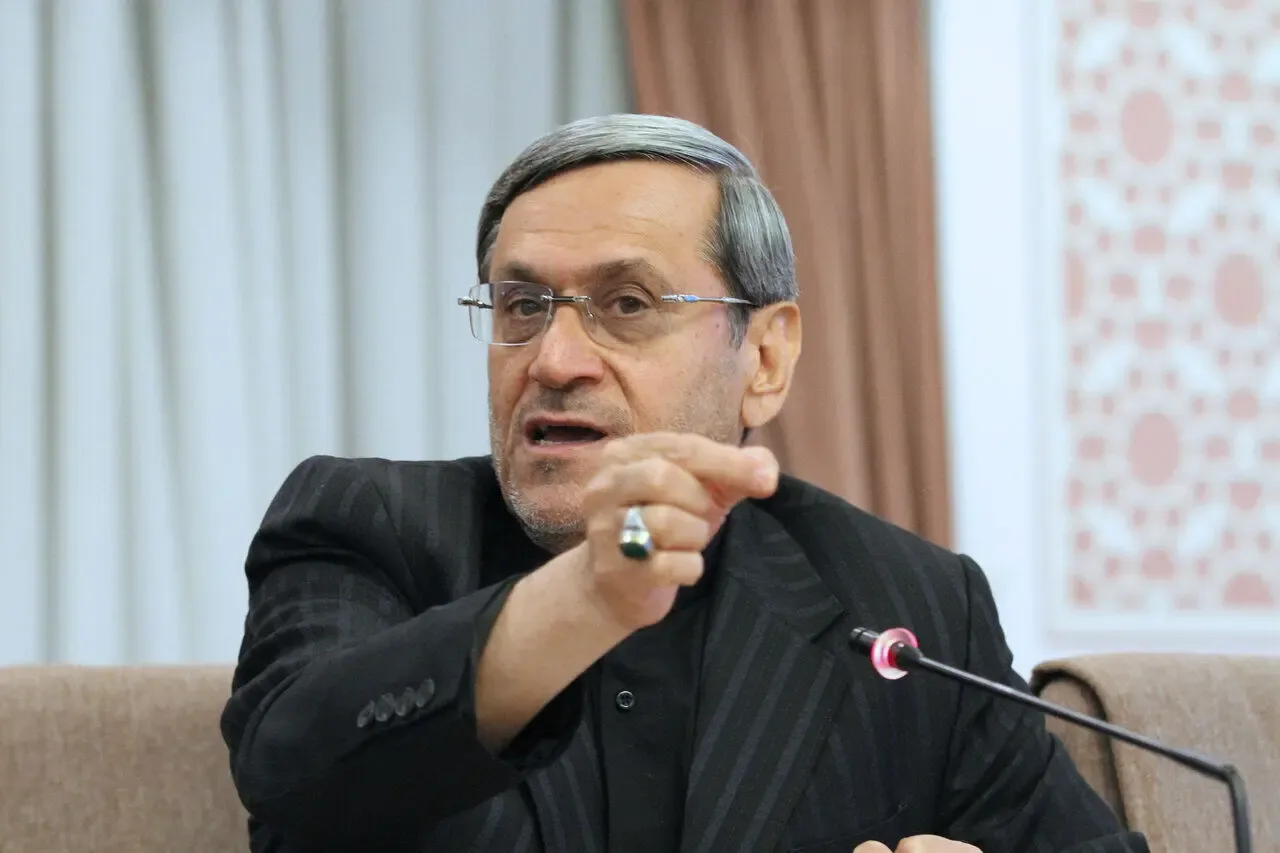
Hassan Qashqavi, spokesperson for the National Security and Foreign Policy Commission of the Parliament, discussed the visit of the Russian Foreign Minister to Tehran with the media. He emphasized that this visit and the exchange of views between the two countries occurred after the Iranian Foreign Minister's trip to Moscow, and bilateral issues including nuclear matters and enriched uranium were not on the agenda.
The Situation in the Strait of Hormuz and Iran's Negotiations
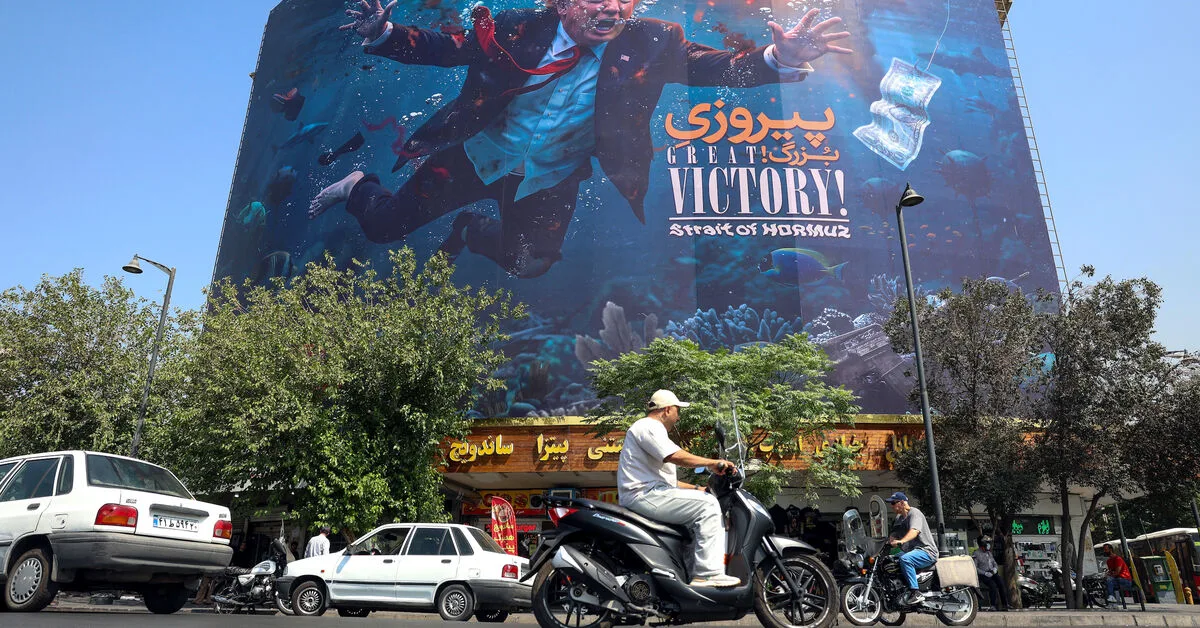
Qashqavi stated that the main subject of the negotiations pertains to the seven conditions that Iran has put forward, and if these conditions are implemented by the United States, the Strait of Hormuz will be opened. He stressed that any diplomatic movement must occur within a specific framework and Iran's demands should be taken into account by the American side.
Read more: Sanctioning a law firm based in Panama and Greece due to maritime connections with Iran
He also explained about the visit of Asim Munir, the Chief of Army Staff of Pakistan, to Iran, stating that this visit was hosted by the Ministry of Interior and bilateral issues and border matters between the two countries will be discussed. Qashqavi clarified that Asim Munir did not come to Iran to address the conflict in the Strait of Hormuz, and the topics had been previously negotiated.
Security Developments in the Region
Qashqavi referred to security changes in the region and stated that the United States must accept Iran's conditions. He mentioned a meeting held in Qatar and Bahrain, where Gulf countries concluded that American bases have not only failed to provide security but have also posed threats to themselves. Accordingly, regional countries are striving to establish new arrangements for security cooperation and involve Iran in these negotiations.
The spokesperson for the National Security and Foreign Policy Commission of the Parliament also referred to recent reports about the decline of helium gas in the United States and some European countries, stating that Iran is not seeking war, but will respond if there is any aggression from other countries. Qashqavi emphasized that if Iran is violated, it can respond to the countries of origin of the attack.
Response to Protests in European Countries
Qashqavi referred to the recent protests in France and Italy, stating that these protests fundamentally differ from what is happening in Iran. He pointed to Donald Trump's positions regarding these protests and clarified that the protesters in European countries are primarily objecting to their governments' military interventions. Qashqavi also mentioned the identity of the protesters, stating that they are the same people who were previously under French colonial rule and are now seeking to reclaim their rights.
Finally, Qashqavi emphasized that if the living conditions of the Iranian people are pressured, Iran will also harm the interests and livelihoods of other countries; in other words, "darkness against darkness and light against light."
Read more: Hamid Reza Hajibabaei: America will get stuck in the quagmire of the Persian Gulf · Lavrov: Iran plays an important role in ensuring security and stability in the Persian Gulf