Maisa Nasser, a librarian from an Arab town in northern Israel, voted for the first time in a national election. She, feeling the racism from the right-wing government, headed to the polls and has found a greater sense of hope for the future.
Historic Participation and Power of Arab Representatives
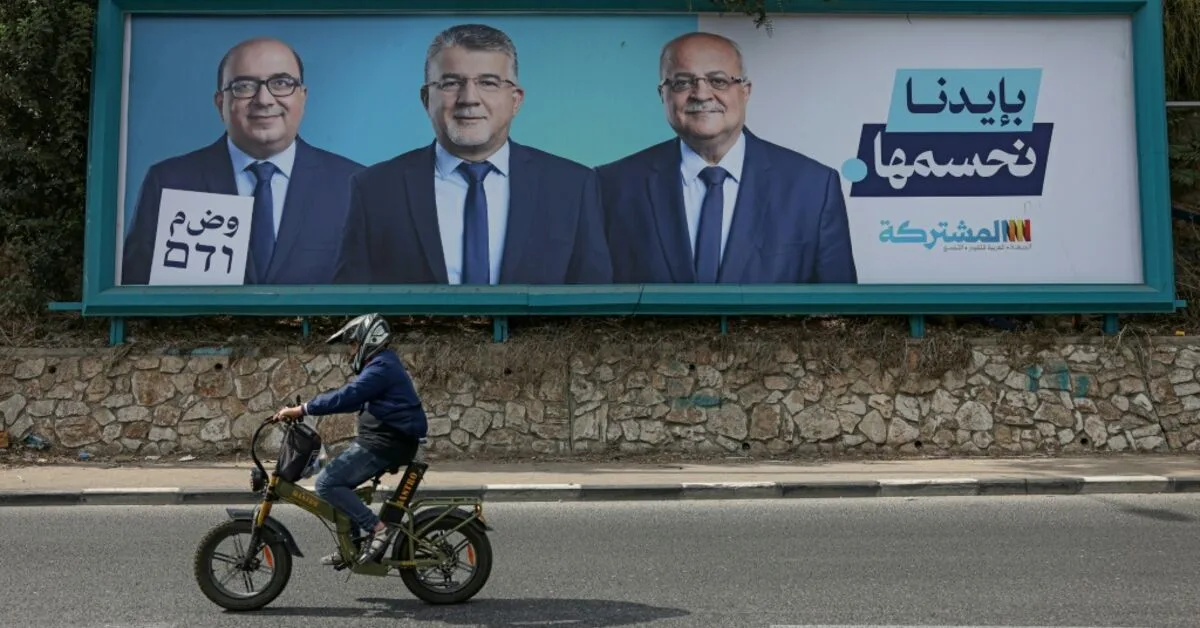
Many members of the Arab minority in Israel, like Nasser, unexpectedly went to the polls, driven by their anger towards Prime Minister Benjamin Netanyahu. Arab representatives, by securing a record number of seats, have the opportunity to oust Netanyahu, but this can only happen if the opposition can collaborate with them.
Nasser, 50, from the town of Majd al-Krum, says, "Everything was different in this election campaign. We were happy, and we felt this emotion in the final hours before the polls closed." She mentions her expectations from the Knesset (Israeli parliament) representatives and notes that she had never participated in previous elections.
Concerns and Hopes Among the Arab Community
According to forecasts, Israeli Arabs will secure about 19 seats out of 120 in the recent elections, a significant increase mainly due to high participation from Arab communities like Majd al-Krum, where 85% of eligible voters participated.
Although this participation indicates a significant shift in Arabs' approach to elections, concerns remain. Mohammed Zarkaoui, a student and employee at a pizzeria, says, "We shouldn't be too happy, as we don't know what will happen in the future." He believes that real change will only occur with the formation of a government committed to peace.
Meanwhile, Ahmed, Zarkaoui's father, points out that many residents of the town voted for the Democrats, led by Yair Golan. Golan has called for cooperation with Arab representatives to form a new government and has strongly criticized Netanyahu's racist views.
While residents of Majd al-Krum were pleased with the election results, they recalled the need to pay attention to the challenges ahead. Mahmoud Zihun, an 83-year-old activist, noted the rise in violence in the Arab community, stating, "Every day there are murders, and no effective action is taken in this regard." He also has deep concerns about the future of Arabs in Israel.
Samihah Shaban, a 75-year-old woman, recalls how her family's land was seized in 1980 for the construction of the city of Gilon and hopes that this election will bring changes in favor of the Arab community. She expresses hope that this election will lead to improvements in the status of the Arab community and strengthen their rights.
However, the political future of Israel remains uncertain, and many challenges lie ahead for Arab representatives and the future government.