The advance of the Houthis along the Red Sea coasts of Yemen has led to significant changes in the balance of power in the Gulf and has contributed to the increasing influence of Iran in the region. These developments have put Saudi Arabia and its neighbors in a difficult position: should they accept the rising costs or seek a compromise with Tehran?
Control Over Key Geography
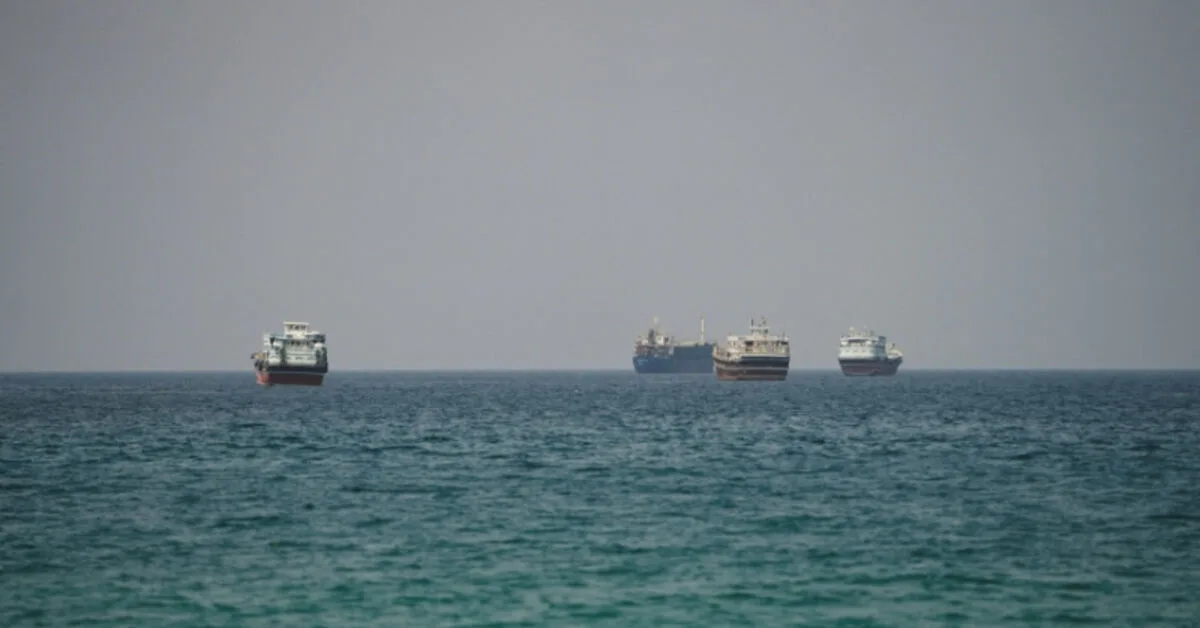
The Houthis' control over the Red Sea coasts, especially their strategic position around the Bab el-Mandeb Strait, one of the most important shipping routes in the world, has enabled them to exert more pressure on Saudi Arabia. This action poses a particular threat to Saudi oil exports from the Strait of Hormuz and could have serious economic and security repercussions for the region.
Read more: New Maritime Route in the Strait of Hormuz; Foreign Minister at the Gulf Meeting
Security and Economic Consequences
The shift in the balance of power in the Gulf not only leads to increased concerns about maritime and oil security but could also have profound impacts on global energy markets. Saudi Arabia, heavily reliant on its oil revenues, now needs to devise new strategies to cope with these challenges. Meanwhile, international and regional pressures on Riyadh to find a diplomatic solution have also intensified.
In this context, Saudi Arabia's neighbors must also recognize that to ensure their security and protect their economic interests, they need to cooperate and engage with each other and even with Tehran. These developments reflect the complex challenges that will affect the future of the Gulf and compel the countries in this region to reassess their policies.
Read more: Iraqi: The agenda for tomorrow's Oman meeting is a new maritime route in the Strait of Hormuz · Oman: Threat to the East-West pipeline in Saudi Arabia; unconditional support for Saudi security