Saudi Arabia and other Gulf countries are looking to manage regional crises independently of the United States. This new stance has emerged in an effort to reduce tensions and enhance security in the Gulf region. The Economist has examined this shift in approach and revealed recent meetings aimed at pressuring Iran.
Analysis of Recent Meetings and Their Outcomes
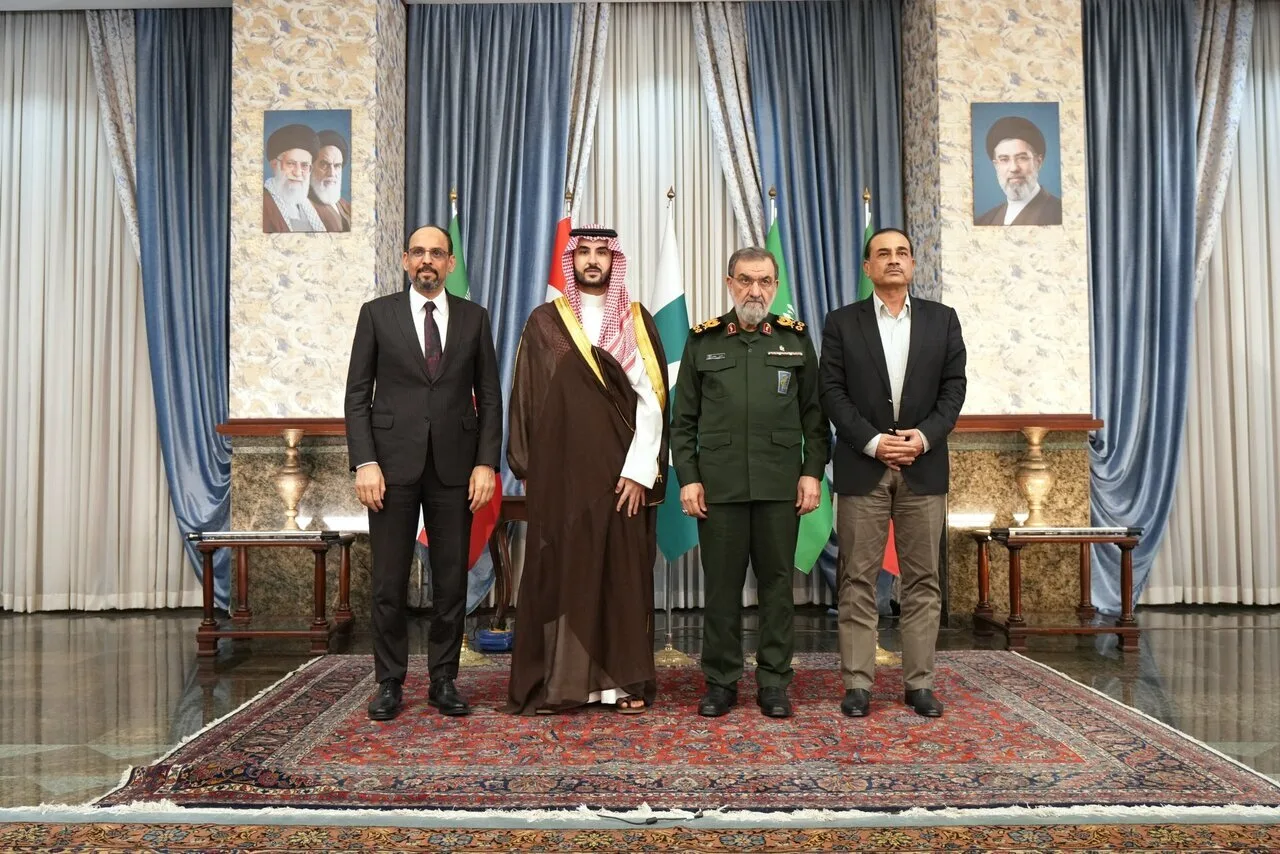
According to The Economist, recent meetings held to pressure Iran have not yielded significant results. Regional diplomats indicate that Saudi Arabia is pursuing a policy that combines incentives and threats towards Tehran. This policy, known as "carrot and stick," includes offering incentives to Iran along with threats in case of non-cooperation.
Read more: Joint request by Russia and Bahrain to resume talks between Tehran and Washington
Readiness for Security Agreements
The Economist cites diplomatic sources stating that if Iran offers concessions that pave the way for an agreement with the United States, Saudi Arabia and its neighboring countries are prepared to move towards a comprehensive security agreement to ensure regional security. This approach reflects the Gulf countries' desire to reduce dependence on the United States and manage regional crises independently.
However, if Iran rejects these proposals and attacks on Gulf countries resume, the members of the "Mecca Pact" will be ready to respond. This pact is recognized as a defensive alliance among the Arab Gulf countries aimed at creating a united front against common threats.
Shift in Gulf Countries' Approach
The Economist also emphasizes that the Arab Gulf countries, after decades of reliance on the United States, are now striving to manage regional crises themselves. This shift in approach seems necessary due to rising tensions and the need to establish sustainable security in the region. These countries, understanding that regional security and stability directly impact their national interests, are seeking new solutions for crisis management.
Overall, the new approach of Saudi Arabia and other Gulf countries towards Iran and regional crises represents an effort to create an independent and effective security structure. These developments could have a significant impact on the future of regional relations as well as the international relations of these countries.
Read more: Houthi attacks on Saudi Arabia before sensitive negotiations in Tehran · Jafar Panahi, Iranian director, sentenced to five years in prison