Muscat: As the Diwali festival approaches, sweet and jewelry shops in Muscat are witnessing an increase in demand, prompting businesses to increase production and launch more work shifts to meet the growing demand.
Traditional Indian Sweets in the Spotlight
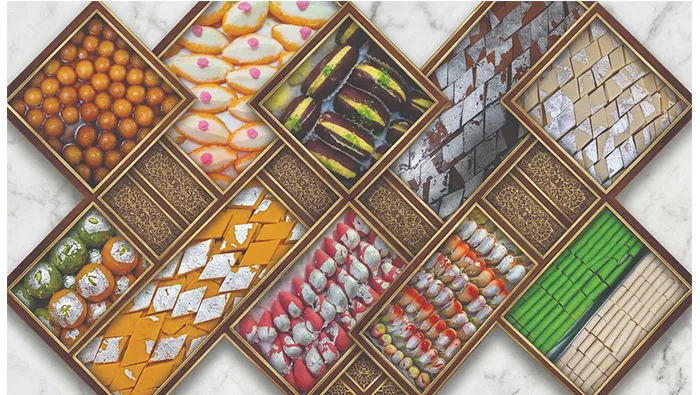
Traditional Indian sweets such as Kaju Barfi, Boondi Ladoos, Biscuit Ladoos, Moong Dal Barfi, and Son Papdi are among the popular choices among Indian expatriates preparing for the Festival of Lights.
Read more: Kuwaiti composer Nawaf Al-Ghareeba mesmerized audiences with his symphonic concert
At the same time, jewelry buyers are looking to purchase gold coins, pendants, and other pieces to commemorate this auspicious occasion.
Customer Experiences and Merchant Opinions
Ali Asghar Waji, manager of the Mumbai store, said: "During Diwali, devotees offer sweets to the gods and goddesses during Puja and also serve them to their guests. Therefore, they need to buy large quantities of sweets. I believe that people will shop just as much this Diwali as they have in previous years."
He added: "Diwali remains an important occasion for sweet shops, despite changes in consumer tastes. Diwali is celebrated only once a year, and I am sure people will not deprive themselves of their favorite sweets."
Suraj Kumar, an Indian expatriate residing in Oman, also believes that this is a tradition that should continue.
Plaw Banerjee, a regional manager of a private company, stated that he buys sweets for his colleagues and employees every year for Diwali and will do the same this year.
The Mumbai store, a familiar name among residents of Muscat, offers a range of festive baskets including sweets and traditional snacks. Waji said: "Celebrate the Festival of Lights with our premium sweet baskets, lovingly prepared since 1990 with tradition."
This store also provides customers with the option to choose modern and sugar-free alternatives in addition to traditional sweets.
The Mumbai store is currently offering the best products to customers with over 100 different types of sweets, including Bengali sweets, Kaju Katli, and Motichoor Ladoos.
Meanwhile, jewelry stores in Ruwi are also experiencing an increase in customers looking to buy gold for Dhanteras and Diwali. Many buyers are seeking small gold coins and pendants to honor this auspicious occasion.
For Indian families in Muscat, Diwali is an opportunity to return to traditions and share the joy of this festival with friends and the larger community.
Soda, who has lived in Muscat for 18 years, said that her family's celebrations are just as important as the celebrations about giving.
Her home is decorated with lights, and she and her close friends have maintained a cherished tradition for nearly two decades on a special Diwali night.
Across the city, families are decorating balconies and windows with lights to prepare for the festival that symbolizes the victory of light over darkness.
Diwali, also known as Deepavali, derives its name from Sanskrit words meaning "a row of lights." Lighting lamps is a central tradition representing the victory of light over darkness.
Restaurants, hotels, and other venues across Muscat are also preparing events and special offers for this festival.
For many Indian expatriates, Diwali is more than just a festival. It is an opportunity to maintain connections with their roots, uphold traditions, and share the spirit of celebration with friends and the larger community while being away from home.
Read more: The International Film Festival 'Golden Tower' will be held in the Republic of Ingushetia · The main committee of the Muscat International Book Fair reviewed preparations for the thirtieth edition