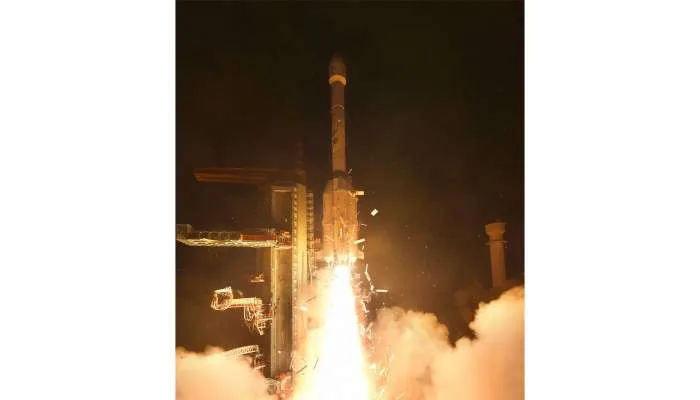
India's aerospace industry is currently on a fast track to growth and is expected to double the speed of global market growth by leveraging space startups and government support. These advancements are particularly taking shape through close collaboration between startups and the Indian Space Research Organisation (ISRO) as a constructive partner.
Increase in the Number of Startups and Investments
The number of space startups in India has risen from one company in 2014 to over 400 companies by 2026. These significant changes have been made possible due to reforms initiated by the government led by Narendra Modi, the Prime Minister of India. Among these reforms was the decision to open the space value chain to private companies in 2020, which continued with India's space policy in 2023.
Read more: Iran and Russia in Cyber Infiltration Operations Using ChatGPT
The National Space Promotion and Authorization Center (IN-SPACe) has been established as an independent entity to authorize private sector space activities. This entity has facilitated access to ISRO's government facilities and allows startups to utilize these resources. Last year, the Indian government invested $150 million in the country's space startups.
Future Prospects and Challenges
India's space technology industry has currently reached a value of $13 billion and is expected to exceed $40 billion by 2030. Despite these advancements, there are also challenges. For instance, last year, India conducted only five orbital missions and faced issues such as a limited number of launch sites and long wait times for launch reservations.
Startups in India are facing investment challenges and the need for rapid establishment, as setting up a space startup can take nearly 12 months. These delays can increase opportunity costs for investors and global companies looking for rapid development in India.
However, startups are becoming key players in achieving India's ambitious space goals in the coming years, including human flights and the establishment of an Indian space station, making them an important part of the country's space ecosystem. These collaborations not only strengthen the space industry but also help reduce India's dependence on foreign technologies.
Read more: Meta's Revenue Increased by 26% to $64.6 Billion in the Third Quarter · Reduction in the Price of 137 Cancer Drugs in India