The Gulf Stream is one of the most important factors influencing weather and climate patterns around the North Atlantic. Results from a recent study indicate that this current has significantly intensified in recent years. Since 2014, changes in this current have been so rapid that they have drawn the attention of researchers.
Serious Consequences for the Climate
The increased intensity of the Gulf Stream could lead to severe changes in weather patterns. These changes could result in floods, severe storms, and temperature fluctuations in various regions. In particular, countries located along this current must prepare for the potential effects of these changes.
Researchers believe that this intensification may be due to climate change and rising global temperatures. In other words, global warming may act as a driving factor for changes in water currents. In this context, concerns about the long-term effects of these changes on marine ecosystems and human living conditions have increased.
The Need for Greater Attention to Water Currents
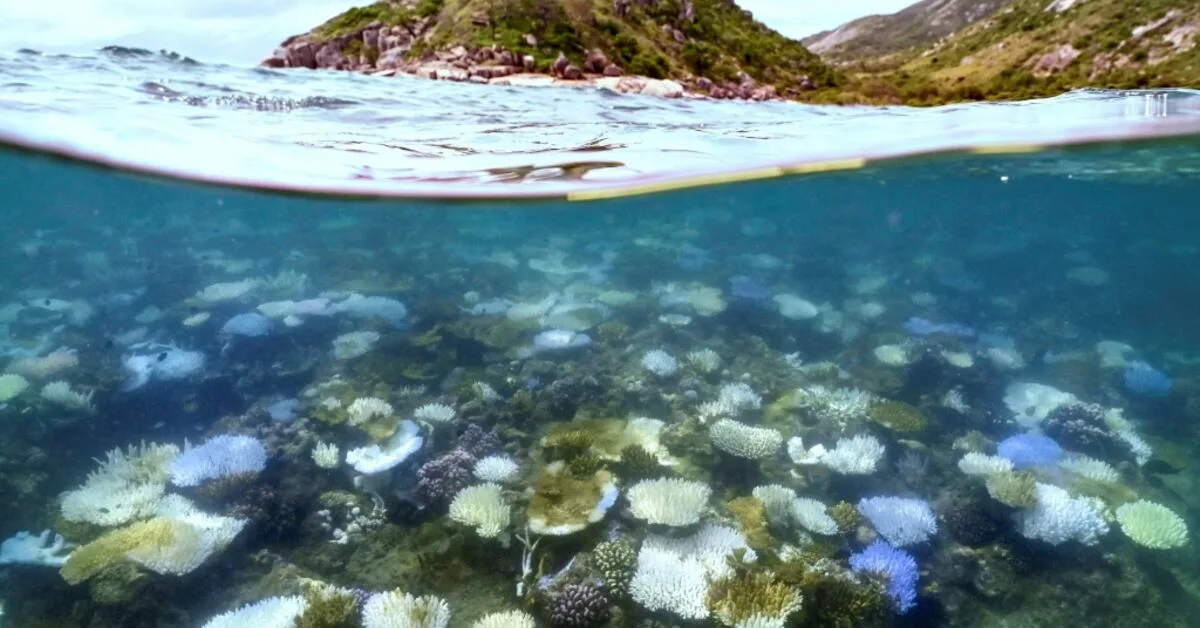
Changes in the Gulf Stream not only impact the weather but could also jeopardize the marine environmental status. Therefore, attention to this current and examining its effects on the region should be prioritized. More detailed analyses will also be needed to determine the effects of these changes on human life and marine ecosystems.
Overall, this study indicates that the Gulf Stream is changing with greater intensity and these changes could have significant consequences. Therefore, there is a need for preventive measures and greater attention to the status of this current.