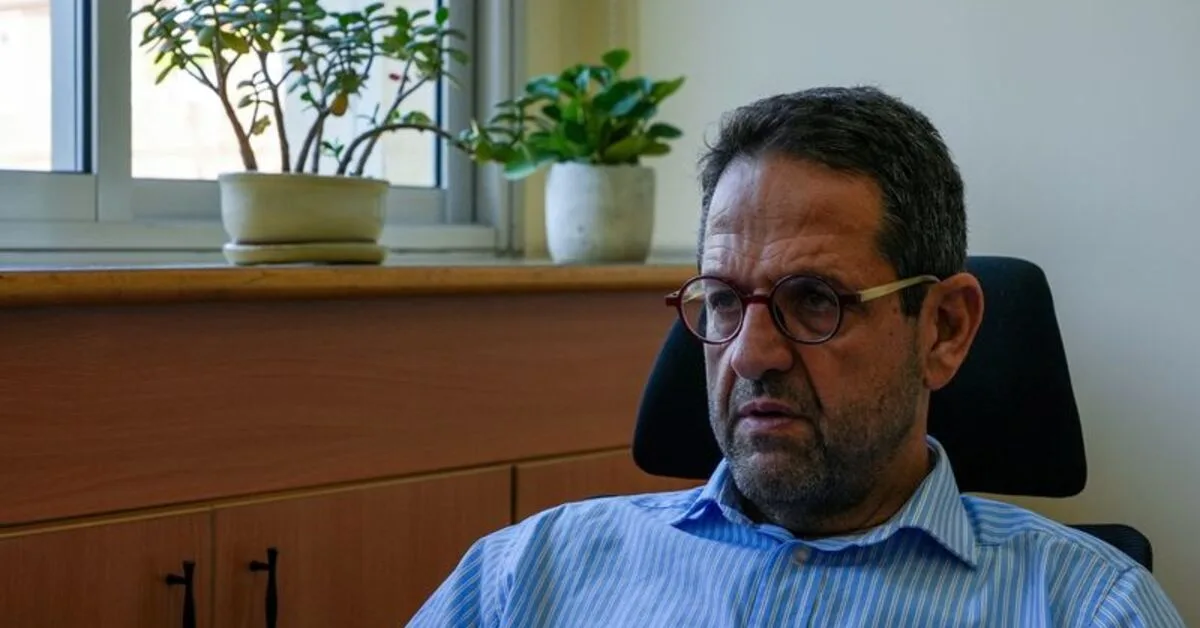
Jihad Azour, the director of the International Monetary Fund (IMF) for the Middle East and Central Asia, stated at a recent press conference in Bangkok that the ongoing wars in the Middle East and the disruptions related to energy production, shipping routes, and critical infrastructure are the biggest threat to the economies of this region.
Economic Pressures from War
Azour pointed out that these wars have caused uneven economic impacts, and the directly affected countries are facing severe pressures. He emphasized that economic progress depends on the speed of normalizing energy production and trade, as well as the ability of different countries to maintain macroeconomic stability.
Read more: Iran Customs: Import of cars by Iranians residing abroad has been halted
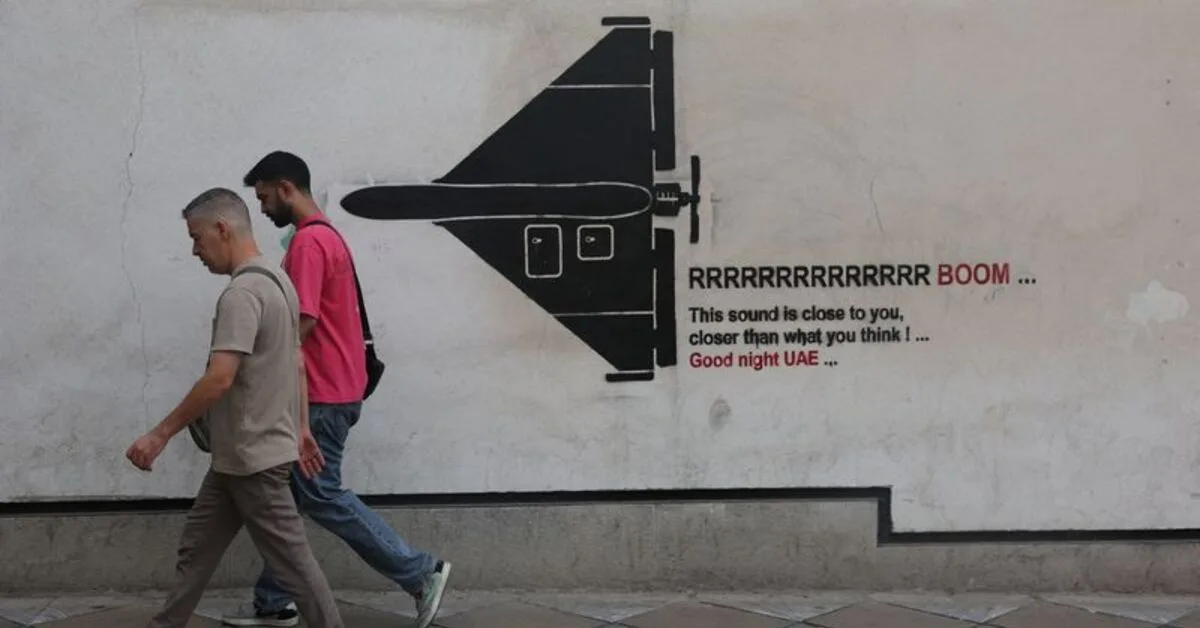
According to Azour, the pre-war surplus, alternative routes, demand adjustments, and significant inventory reductions have helped control the impacts of the energy shock. This shock has arisen due to U.S. and Israeli-led attacks on Iran and the closure of the Strait of Hormuz by Tehran.
Future Economic Forecasts
The International Monetary Fund has predicted that the economy of the Middle East, North Africa, and Pakistan will face a deep contraction of 1.3 percent in 2026, while growth in this region is expected to reach 6.6 percent in 2027. These forecasts indicate significant differences in the level of economic growth among various countries in this region.
Oil-producing countries that have been directly affected by the war are expected to experience a significant contraction in 2026 and witness substantial growth in 2027 with the normalization of energy production. However, the production of these countries will still remain below pre-war medium-term forecasts.
Meanwhile, the economies of oil-importing countries in this region have been resilient to this situation, and this trend is expected to continue. Additionally, the Caucasus and Central Asia have managed to relatively cope with this shock, and inflation rates are expected to decrease from high levels.
Azour urged policymakers to focus on price stability, work on rebuilding financial reserves, and expand their capacity to cope with future shocks.
Read more: Hassan Allam Group launches two residential projects worth $115 million in Oman · Negative growth forecast for Gulf economies in 2026