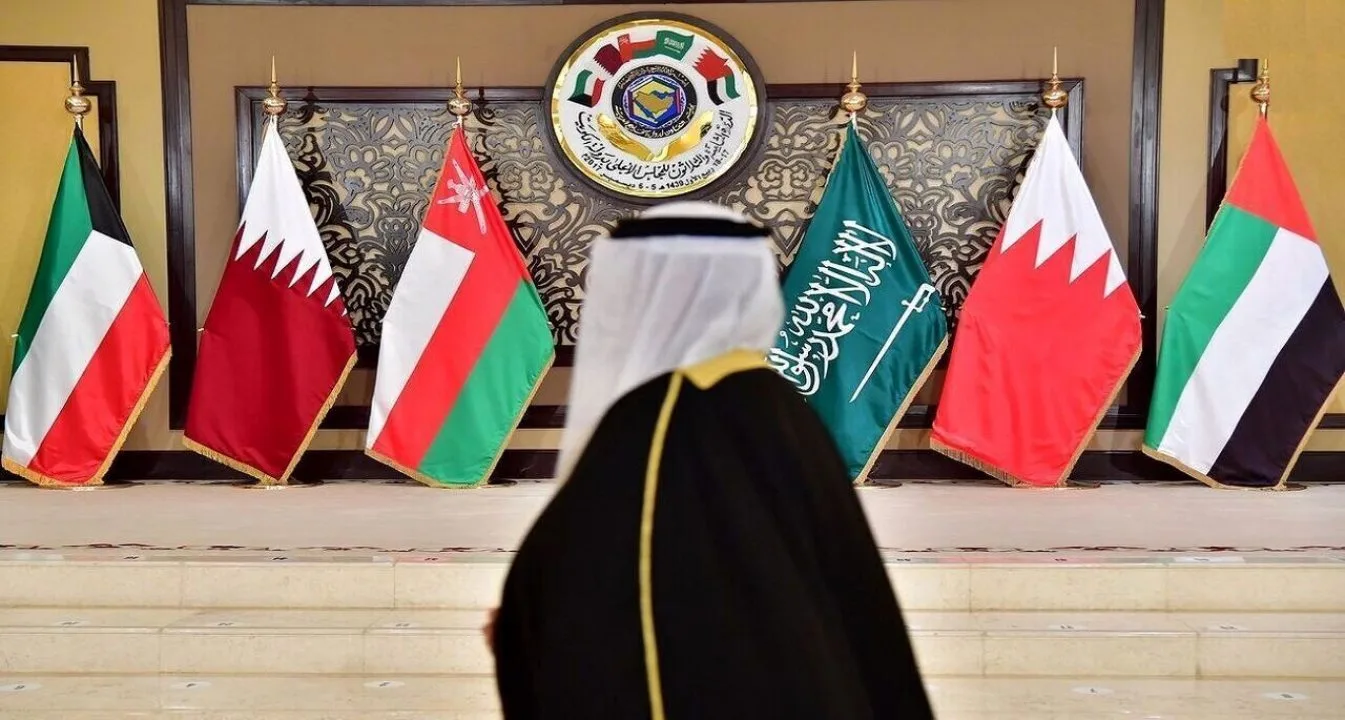
Economic forecasts for the Gulf region indicate that this area will face negative economic growth in 2026. IMF analysts particularly emphasize the geopolitical tensions and ongoing disruptions in the energy supply chain that have led to this concerning situation.
Closure of the Strait of Hormuz and Its Effects
As a vital artery for global energy exports, the prolonged closure of the Strait of Hormuz has had profound impacts on the economic trends of Middle Eastern and Central Asian countries. Predictions indicate that the economic growth of these regions has decreased to negative 0.3 percent, reflecting a negative adjustment of 2.2 percent compared to April estimates.
Read more: India unveils steel policy and sets target of 604 million tons by 2047
Meanwhile, various Gulf countries are particularly under pressure in terms of economic performance. Kuwait is expected to face the worst situation among these countries with a projected contraction of 16.7 percent. Additionally, Qatar with a contraction of 15.6 percent, Iraq with 16 percent, and Bahrain with 11.3 percent are among the countries that have suffered the most from disruptions in energy production and transportation.
Situation of Saudi Arabia and Iran
Saudi Arabia, which previously experienced positive growth, is now facing a forecast of negative growth of 3.3 percent for 2026. However, it is expected that this country will experience a rebound of 7.9 percent in 2027, assuming the reopening of routes. Alongside this, Iran's economy is also in a difficult situation with a forecast of negative growth of 7.6 percent due to pressures from the resumption of military exchanges, intensified sanctions, and maritime blockades. The IMF has also estimated Iran's inflation rate for the current year at 78.6 percent.
While oil prices saw a significant increase in the early months of the tensions, they are now stabilized between 20 to 40 percent above pre-war levels. The average price of oil per barrel for 2026 is estimated at $96, indicating a 41 percent increase. The IMF's baseline scenario is based on the gradual reopening of the Strait of Hormuz from March 2027 and a return to normal conditions by October of the same year.
Positive Growth in Oman and Future Outlook
Among the Gulf countries, only Oman is expected to experience positive growth of 4.1 percent in 2026. Analysts attribute this success to the strength of Oman's financial and external position against oil revenues. The IMF has emphasized at the end of its report that the economic outlook for the region is highly uneven, and the economic growth of countries depends on their level of exposure to supply shocks caused by the war.
Ultimately, if the closure of the Strait of Hormuz ends as predicted by 2027, the IMF hopes that the economic growth of the Middle East and Central Asia will return to 6.3 percent, bringing improved economic conditions to these regions.