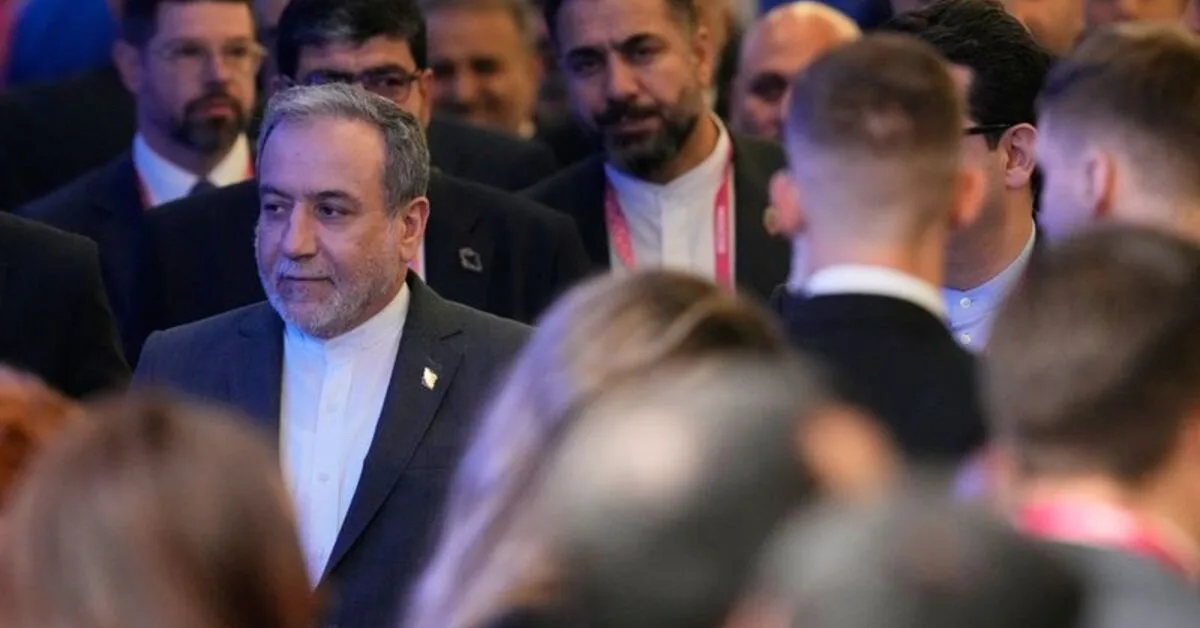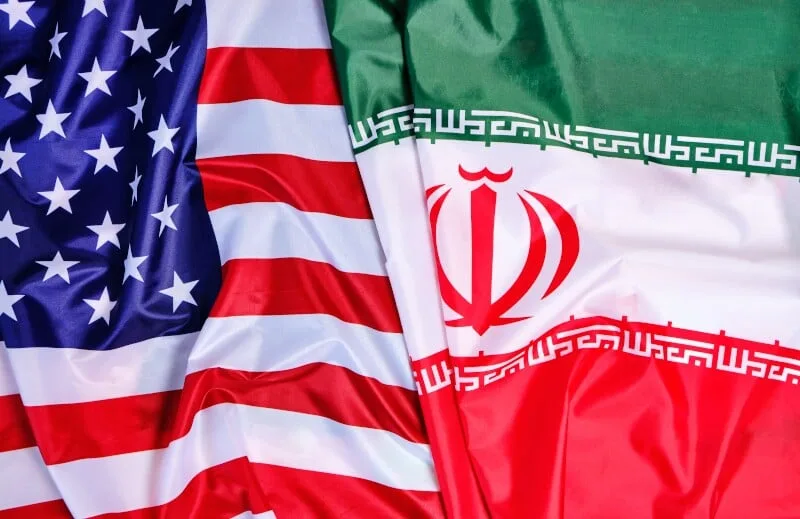
The Iranian delegation has concluded its trip to Qatar, and in this context, diplomatic efforts to reach an agreement with the United States regarding the reopening of the Strait of Hormuz continue. Tehran has announced that it is waiting for Washington's response to its latest proposal in this regard.
Diplomatic Efforts and Their Consequences
The Iranian delegation left Doha on Sunday while Qatar and Pakistan are acting as intermediaries to facilitate indirect exchanges between Tehran and Washington. The negotiations are centered around a revised Iranian proposal aimed at restoring maritime traffic through the Strait of Hormuz.
Read more: The Iranian Islamic Consultative Assembly is reviewing security plans and international cooperation
Ismail Baqeri, the spokesperson for the Iranian Foreign Ministry, announced at a press conference on Tuesday that Kazem Gharibabadi's trip, Iran's Deputy Foreign Minister, to Doha was aimed at facilitating communication with the intermediaries. He confirmed that the exchange of messages between the parties continues.
Iran's Proposal and Its Conditions
Baqeri described Iran's proposal as an acceptable initiative that remains on the table and added that Tehran has conveyed its demands to Washington. An informed source in the negotiations told reporters that the departure of the Iranian delegation from Qatar is not related to problems in the negotiations and also announced that a draft proposal is circulating.
Abbas Araghchi, Iran's Foreign Minister, told Al Jazeera that the negotiations are focused on a revised Iranian proposal that reduces the time for reopening the Strait of Hormuz from seven days to two days, provided that Washington meets Tehran's conditions. Araghchi emphasized that proposals from Doha have been made to shorten the time. Iran initially presented its seven-step plan at the United Nations General Assembly in New York in September.
According to the initial proposal, the Strait of Hormuz would open on the sixth day if Iran's conditions were met, and negotiations between Tehran and Washington would resume on the seventh day. Reports indicate that Donald Trump, the President of the United States, rejected this seven-step proposal in September.
Based on the revised framework, as Araghchi told Al Jazeera, Washington must implement a series of measures on the first day. Then the Strait of Hormuz would open on the second day, and maritime traffic would return to its previous state.
Despite recent diplomatic efforts in Doha, no agreement has been reached yet. Tehran has announced that it is waiting for Washington's response to the questions raised during the consultations.
Read more: Seyed Abbas Araghchi: We see no need to meet with American officials · Possible agreement in indirect negotiations between the U.S. and Iran for reopening the Strait of Hormuz