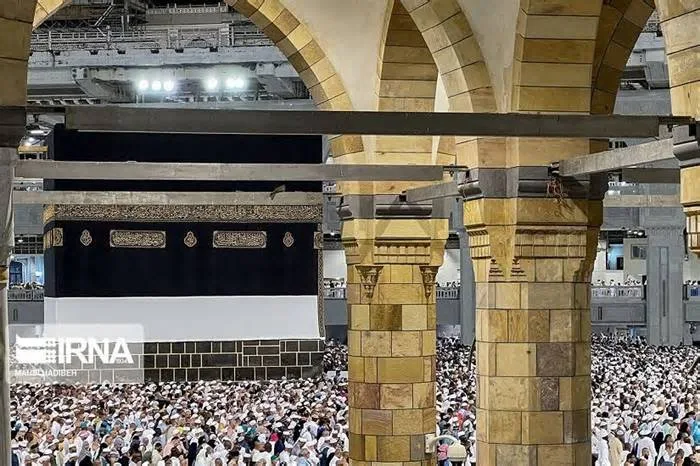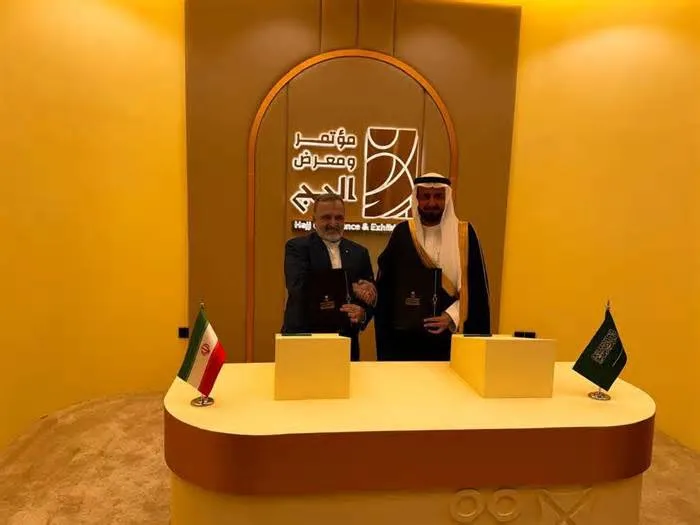
The Hajj agreement for the year 1406 was signed between Ali Reza Rashidian, the head of Iran's Hajj and Pilgrimage Organization, and Tawfiq bin Fawzan al-Rabiah, the Minister of Hajj and Umrah of Saudi Arabia. This agreement was signed within the framework of the two countries' efforts to facilitate the processes of Hajj and Umrah and enhance the quality of services to pilgrims, and it seems to be an important step towards improving religious and cultural cooperation between Iran and Saudi Arabia.
Details of the Agreement
The mentioned agreement includes several important clauses, particularly emphasizing the facilitation of the registration process and visa issuance for Iranian pilgrims. Additionally, this agreement aims to increase the capacity for receiving pilgrims and improving services to pilgrims in Saudi Arabia. According to this agreement, the two countries are committed to cooperating in various fields, including the security, health, and welfare of pilgrims.
Read more: Seyed Bal Arab Unveils the Alizan Tourism Complex Project
Cultural and Religious Dimensions
The signing of this agreement will directly impact the cultural and religious relations between Iran and Saudi Arabia. Given that Hajj is one of the most important pillars of Islam, facilitating related processes can help strengthen relations among Muslims from both countries. This action could pave the way for more cultural and religious dialogues between the two countries and help improve each country's image among the people of the other.
In recent years, relations between Iran and Saudi Arabia have been affected by political and regional issues, leading to tensions. However, the signing of this agreement indicates the willingness of both countries to improve relations and cooperate in religious and cultural fields. This action can be seen as a sign of both countries' desire to reduce tensions and enhance cooperation in other areas.
Consequences of the Agreement
The consequences of this agreement could directly affect Iranian pilgrims intending to travel to Saudi Arabia. By facilitating the processes of Hajj and Umrah, it is expected that the number of Iranian pilgrims will increase in the coming years. This increase could boost the tourism industry in Saudi Arabia and subsequently strengthen economic relations between the two countries.
Ultimately, the signing of this agreement could mark the beginning of a new era of religious and cultural cooperation between Iran and Saudi Arabia, in which both countries seek to strengthen relations and reduce tensions in various fields. This agreement may be viewed as a positive example in the Middle East and a model for other countries.
Read more: Head of the Hajj and Pilgrimage Organization on the Eve of Hajj Negotiations with Saudi Arabia · Iran and the Proposal to Establish an International Council of Islamic World Museums