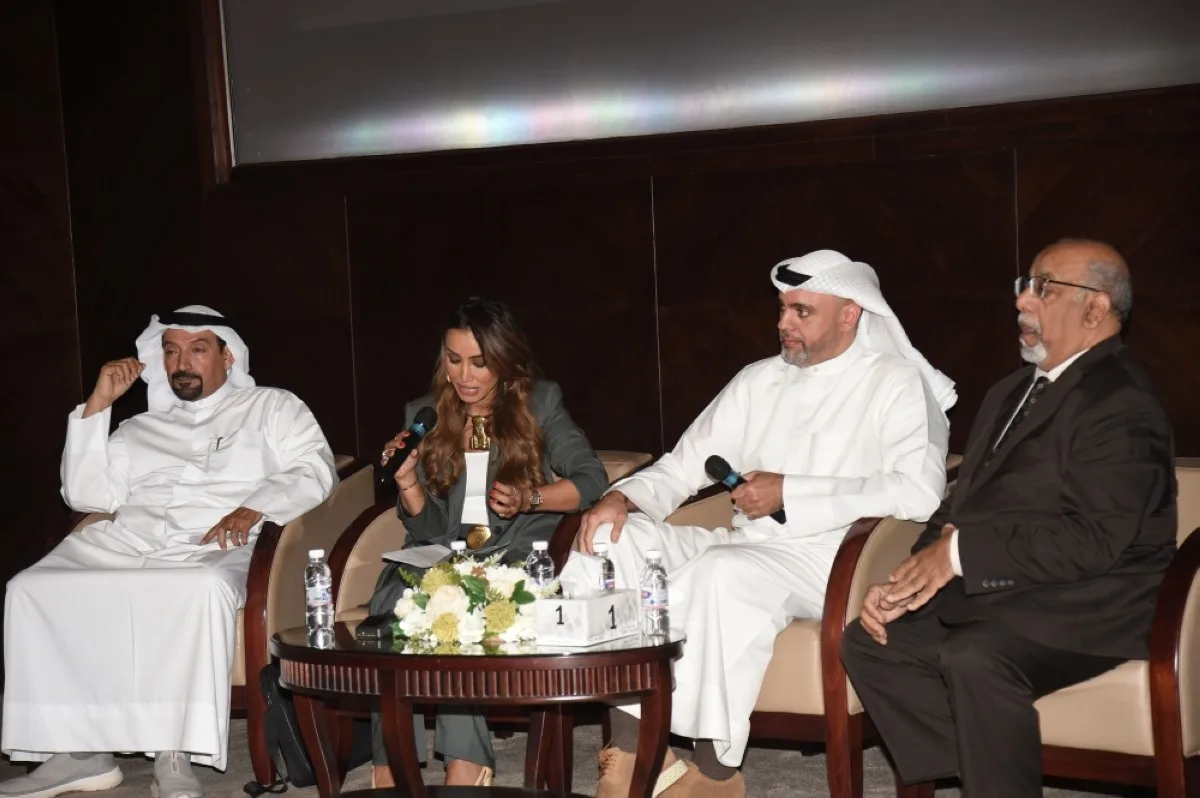
The Grand Egyptian Museum can serve not only as a window into ancient Egyptian history but also provide opportunities for collaboration with Kuwaiti institutions in the fields of restoration and archaeological research through its specialized laboratories. Dr. Hassan Ashkani, an assistant professor of human archaeology at Kuwait University, raised this topic during a panel discussion at the first anniversary ceremony of the Grand Egyptian Museum held at the National Library of Kuwait.
Cultural and Archaeological Experience Exchange
Ashkani said: "We need to exchange our experiences between both parties in a way that contributes to documenting the history of the Arab region and advancing research in its cultural heritage." This collaboration could be based on the long-standing cultural and educational ties between Kuwait and Egypt.
Read more: Italian Cooking Week Festival in Oman Emphasizing UNESCO Cultural Heritage
The Egyptian ambassador to Kuwait, Mohamed Aboulwafa, also emphasized the importance of culture, science, education, and art as the main pillars of the two countries' relations, stating: "These cultural institutions, educators, artists, and elites in both countries have contributed to strengthening these ties over the decades."
The Importance of Archaeological Discoveries
Saeed Motalq Al-Duwaish, a Kuwaiti archaeologist and researcher, referred to the discovery of five Egyptian scarab seals on Failaka Island, dating back to the second millennium BC. These seals were used in ancient Egypt for stamping and often held religious or symbolic meanings. Al-Duwaish announced that he has published research on these objects with Dr. Said Mahfouz and Dr. Ahmed Said, examining how they arrived at Failaka.
These findings also reflect the historical connections between Egypt and the Arabian Peninsula. Al-Duwaish mentioned the discovery of a cartouche bearing the name of Pharaoh Ramses II in a tomb in Saudi Arabia. These connections are also observable in the trade of incense and spices that traveled from Southern Arabia and the Gulf, especially Oman, to Egypt.
According to Ashkani, these discoveries are part of a broader shared history. He added: "Interactions with the environment, values, and experiences over thousands of years have left a mark on various aspects of our lives."
The Egyptian ambassador considered this anniversary an opportunity to introduce the younger generations in Kuwait and Egypt to the importance of Egyptian civilization, stating that the Grand Egyptian Museum is one of the largest museums in the world dedicated to a specific civilization, gathering exceptional archaeological treasures.
Read more: Holding the Fourteenth Meeting of the Board of Trustees of the National Museum of Oman · Gulf Countries Establish Joint Military Command in Kuwait