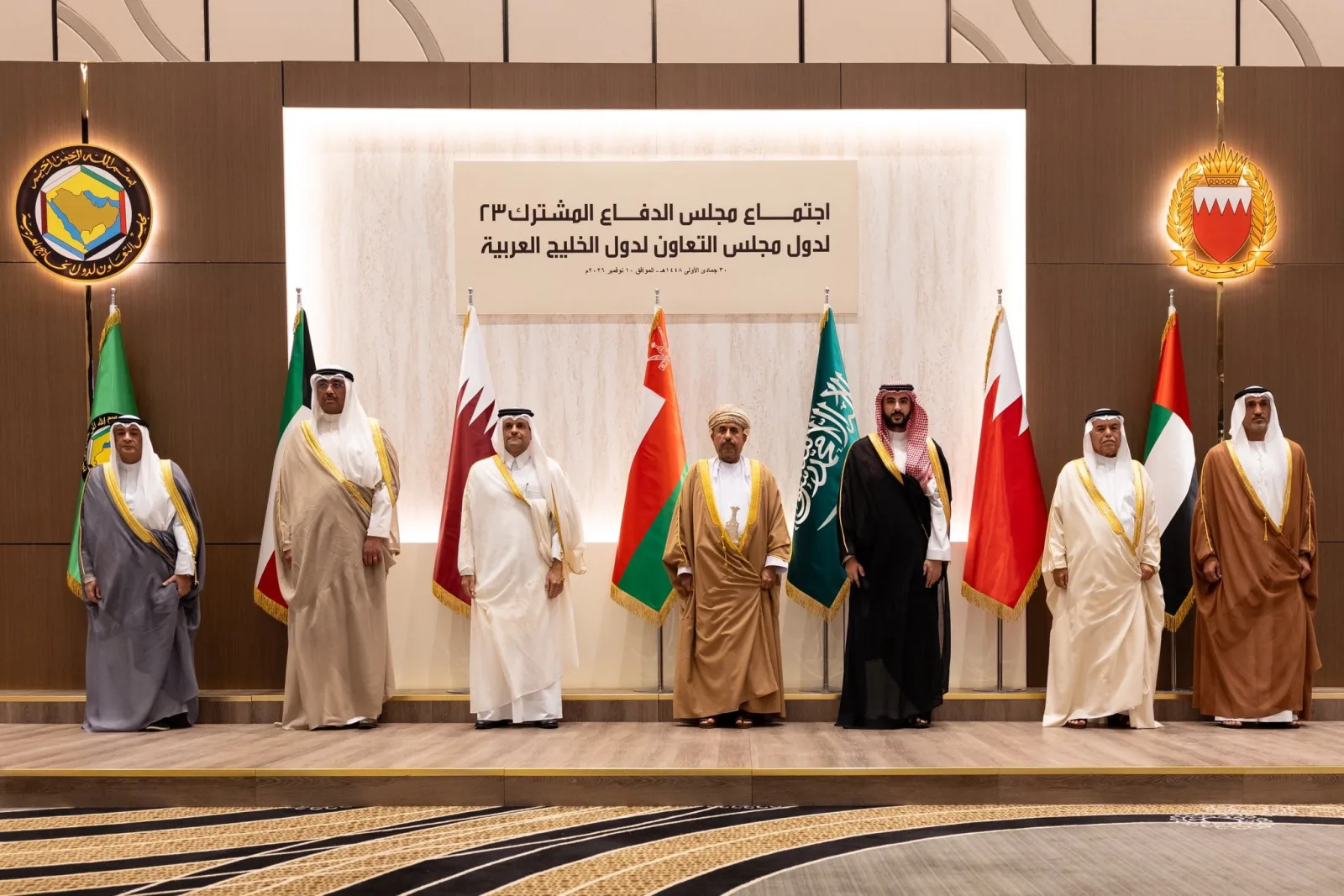
The establishment of an advanced unified military command headquarters in Kuwait on Tuesday represents a fundamental shift in the security relations of the Gulf. This decision should be evaluated within the framework of a broader review by the Gulf Cooperation Council regarding regional security following the recent war. A war that, although it did not create this project, has highlighted the necessity of its implementation and helped accelerate the planned processes in this regard.
History and Necessity of Establishing the Command Headquarters
The unified military command has been on the agenda of the Gulf Cooperation Council since 2013, and its headquarters was inaugurated in Riyadh in 2021. The new decision to establish an advanced headquarters in Kuwait does not signify the beginning of a new project, but rather reflects an effort to operationalize a structure that has so far faced serious limitations in coordination and integration. The importance of establishing this headquarters in Kuwait also stems from the geographical position of this country in the northern Gulf and its proximity to potential centers of tension.
Read more: Holding a meeting of the defense ministers of the Gulf Cooperation Council countries in Manama
Consequences and Prospects of Defense Cooperation
The war against Iran has made it clear to Arab capitals that possessing advanced weapons and the deployment of foreign military bases does not necessarily guarantee security. Missile and drone attacks have turned the vulnerability of energy infrastructures, ports, airports, and maritime routes into a common issue for the countries in the region. In such circumstances, the main issue is no longer merely increasing arms purchases, but how to connect national defense capacities with each other and create a coordinated response capability.
“Mohanad Saloum,” a researcher at the Middle East Global Affairs Council, believes that the establishment of a unified command in Kuwait, in addition to sending a deterrent message, is a sign of the Gulf Arab states' desire to have a more independent capacity to face future security scenarios. He emphasizes that this development should not be seen merely as a reaction to the imminent threat of an Iranian attack, but rather as part of the long-term strategy of the Cooperation Council to strengthen deterrence.
According to existing reports, strengthening military cooperation among the Gulf Cooperation Council countries does not mean distancing from the United States. Arab countries still have significant dependence on Washington for technology, intelligence, logistics, and military capabilities. What is emerging is more of a hybrid model; maintaining defense relations with the U.S. alongside strengthening intra-regional cooperation and expanding military relations with players like Turkey, Pakistan, and European countries.
Read more: Continued protests in Bahrain in support of imprisoned scholars · G7 Foreign Ministers Meeting in Paris and Discussion on the Iran Crisis