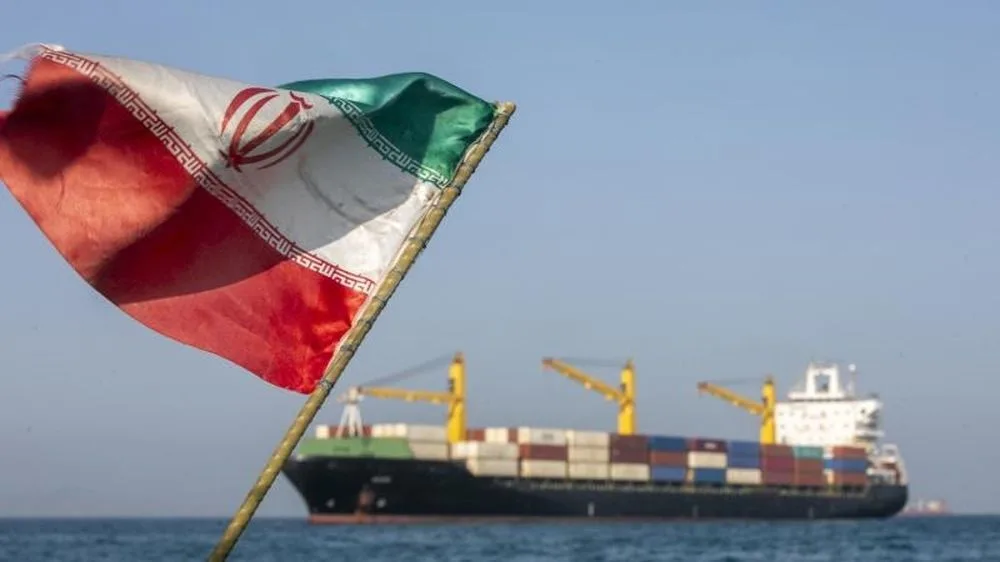
Following its recent negotiations with the Gulf states, Iran has explicitly stated that it does not expect an agreement regarding the Strait of Hormuz. This stance, which aligns with Tehran's current policies, could lead to increased tensions in the region and have deep impacts on maritime security and global trade.
Background of Tensions in the Strait of Hormuz
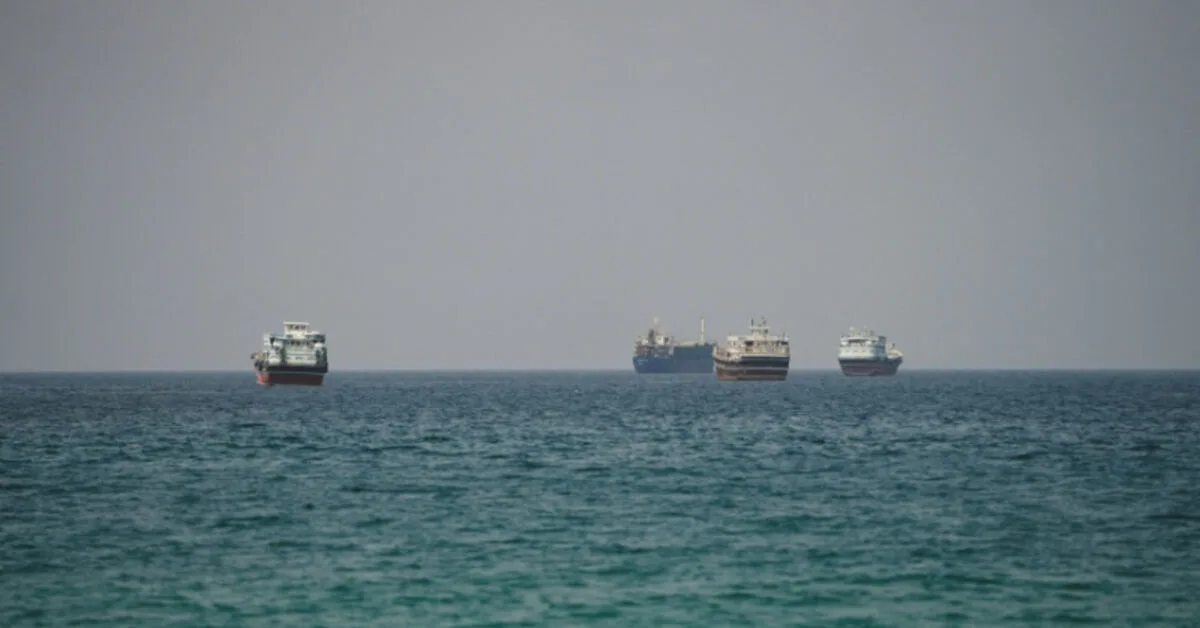
The Strait of Hormuz, as one of the most strategic maritime routes in the world, carries half of the world's crude oil. This area has always been in the spotlight of international attention and has been affected in recent years by political and military tensions between Iran and Western countries, as well as some neighboring countries. This situation has led Tehran to seek to strengthen its positions against any agreement that may threaten its achievements.
Details of the Negotiations and Iran's Position
In these negotiations, Iran has emphasized that any agreement regarding the Strait of Hormuz must be made with consideration of its national interests. This stance seems to stem from Tehran's concerns about external threats and the economic pressures resulting from sanctions. Meanwhile, the Gulf states are also seeking to create conditions that guarantee their energy security, but Iran's positions challenge this process.
On the other hand, analysts believe that the lack of an agreement in this area could lead to heightened tensions and the possibility of military conflicts in the region. Given the importance of the Strait of Hormuz in global energy supply, any instability could have serious consequences for global markets.
Consequences of No Agreement
Although Iran has officially expressed disappointment about the likelihood of an agreement regarding the Strait of Hormuz, the ramifications of this stance could extend beyond its borders. The inability to reach an agreement may lead to rising oil prices and instability in global markets. Additionally, this situation could harm countries that depend on Gulf oil and have significant economic repercussions.
In these circumstances, the Gulf states must carefully monitor regional and international developments and find solutions to ensure their energy security and maintain their economic stability. The lack of an agreement regarding the Strait of Hormuz could be seen as a warning sign for all countries that depend on this strategic route.
Ultimately, the recent negotiations between Iran and the Gulf states reflect the complexities present in regional policies and the need for smart diplomacy to prevent further crises. The current situation could soon become a major challenge requiring immediate attention and action from all parties involved.