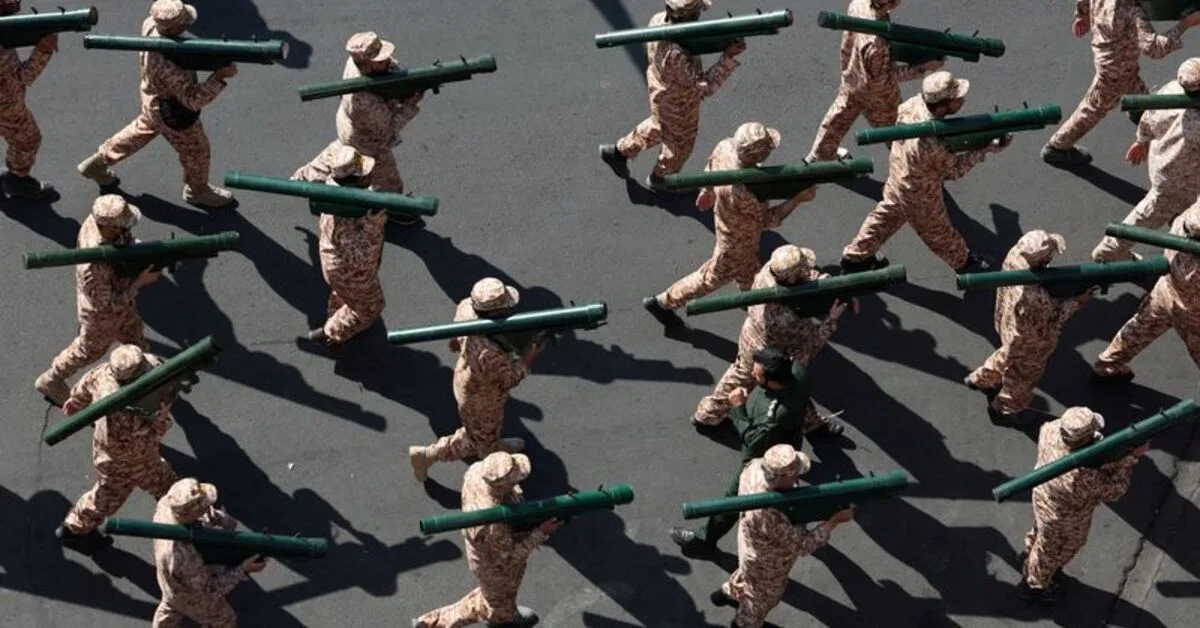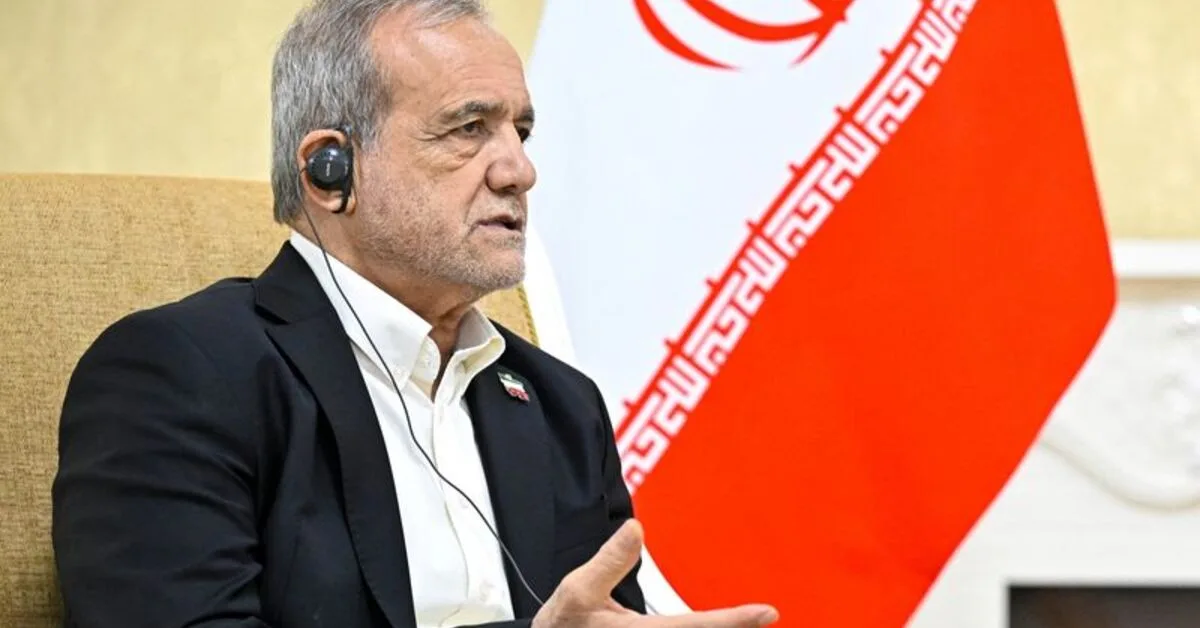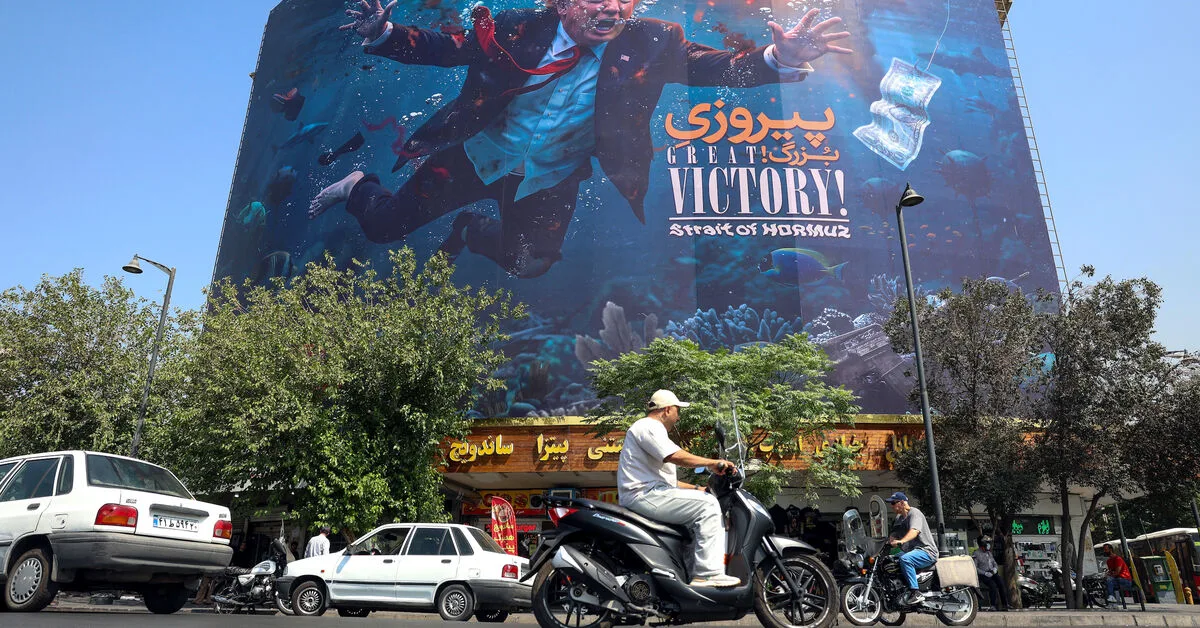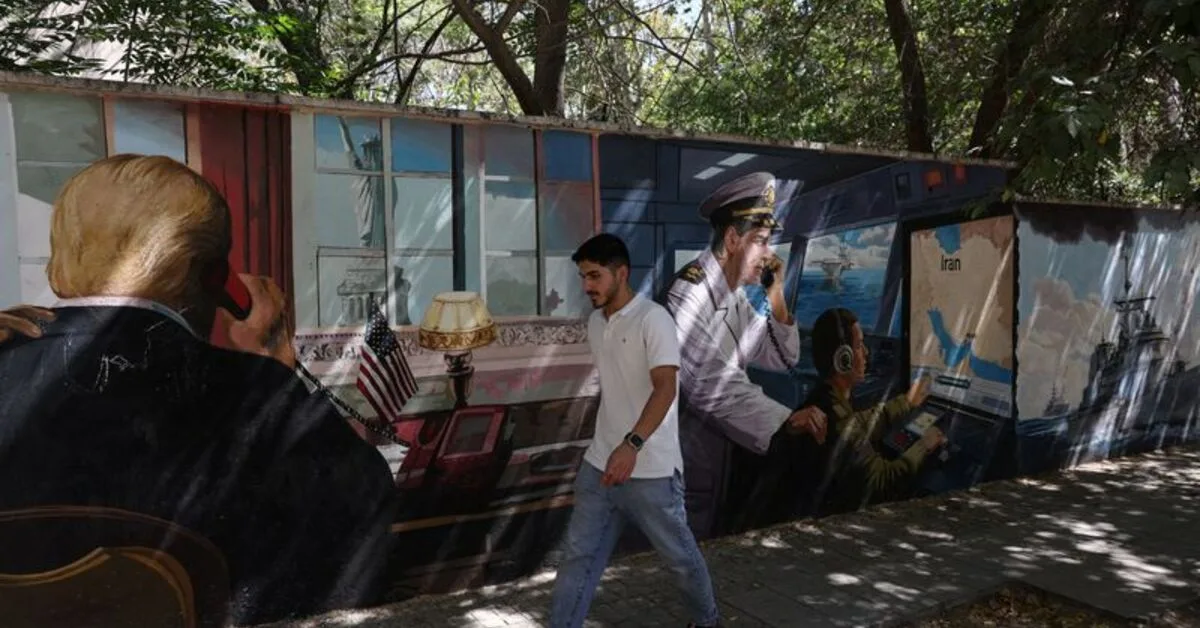
Iran has intentionally extended its talks with the United States to help politically weaken Donald Trump, the President of the United States, ahead of the midterm elections in November. Senior Iranian officials believe that Trump may resort to renewed military attacks to break the current deadlock in the eight-month war.
Tehran's distrust of Washington
One senior Iranian official stated: "Iran is preparing for renewed attacks from Israel and the United States, not to reach an agreement with the U.S. to end the war." According to this official, the clerical regime is determined not to give Trump a political victory.
Read more: Iran is increasing attacks on ships in the Strait of Hormuz by changing tactics
Iranian affairs analyst, Saeed Leilaz, added that by prolonging negotiations, Iran influences the U.S. elections without taking any illegal actions. The war, which began in February with attacks from the United States and Israel, has led to a sharp decline in public approval of Trump. Polls show that Americans are concerned about rising gas prices, which could be detrimental to the Republican Party in the November 3 elections.
Iran's economic and political challenges
Iran has minimized ship traffic in the Strait of Hormuz due to real threats and attacks on shipping, while U.S. trade and maritime sanctions have cut the country's oil revenues and exacerbated domestic economic problems. However, Tehran has refrained from accepting any concessions that might help Trump, making the chances of reaching an agreement before the elections very low.
Washington, under pressure from Israel, is calling for Iran's nuclear program, which Tehran considers purely peaceful, to be included on the negotiation agenda. In return, Tehran insists that its conditions under a "seven-day plan" must be recognized before nuclear negotiations begin.
The Iranian Foreign Ministry and the White House have not responded to requests for comment. Tehran has also proposed through Qatari intermediaries to reopen the Strait of Hormuz within seven days, under Iranian control.
Iran also believes that Washington cannot adhere to diplomatic commitments, citing past attacks that disrupted negotiations. For example, Israel's attack in June 2025 disrupted the sixth round of nuclear negotiations in Oman.
Iran's strategy to maintain negotiations without rushing towards an agreement carries costs. Long-term uncertainty has put pressure on Iran's struggling economy and reduced public patience. Thousands died earlier this year following the crackdown on anti-government protests.
Read more: The U.S. government may attack Peacock Mountain in Iran · Texas: Early voting begins with hopes of a Democratic victory