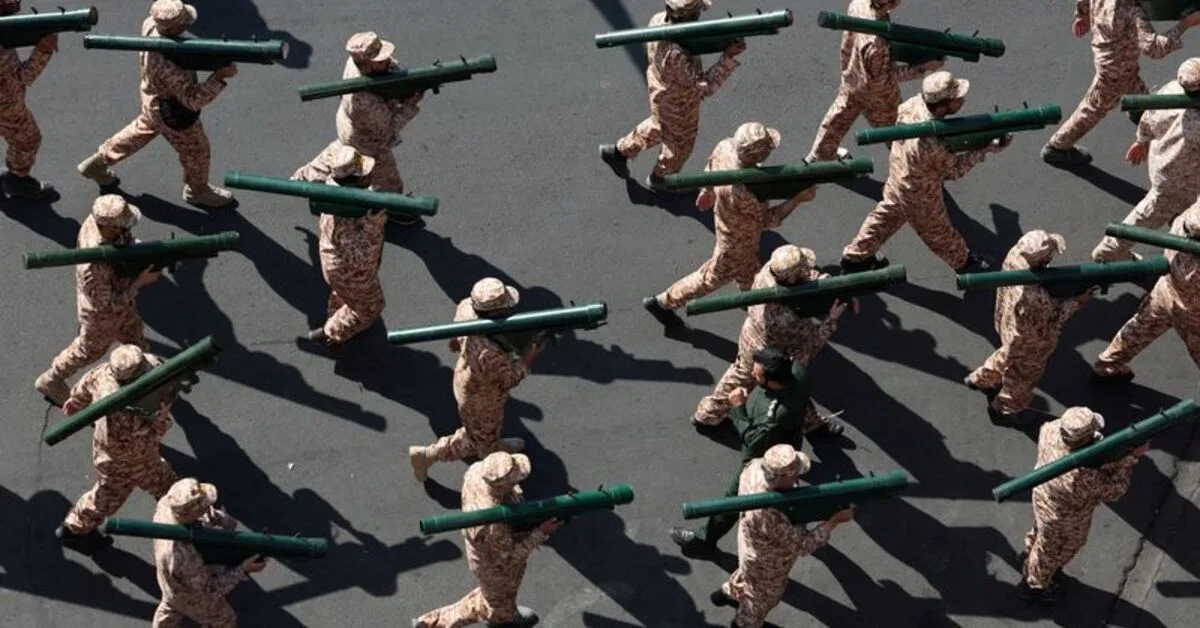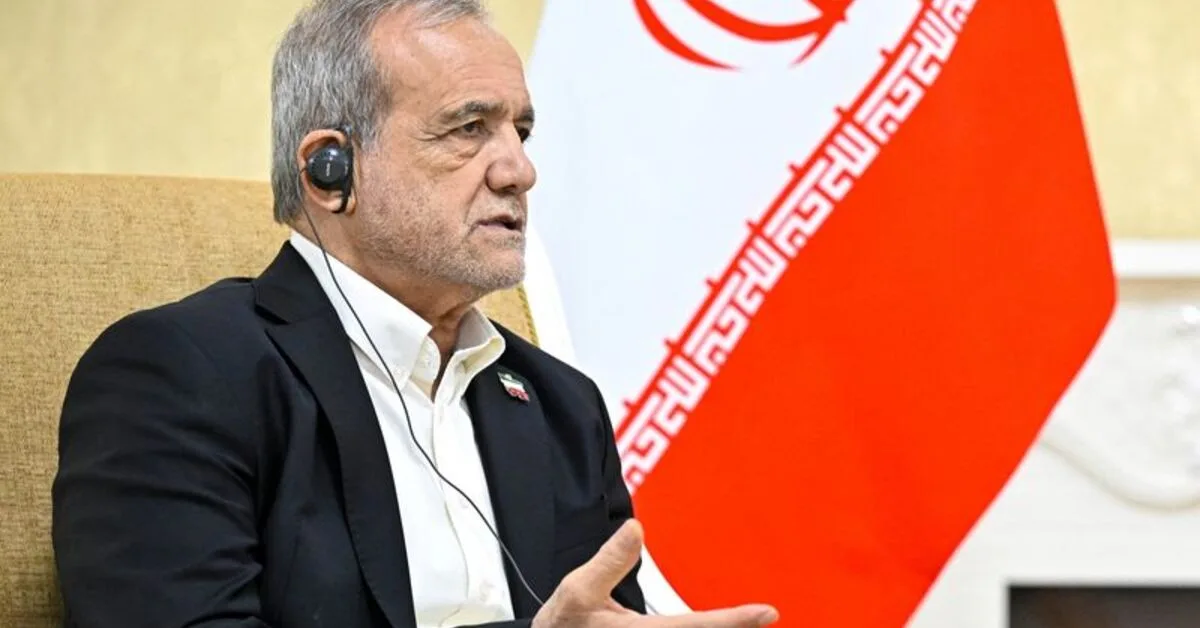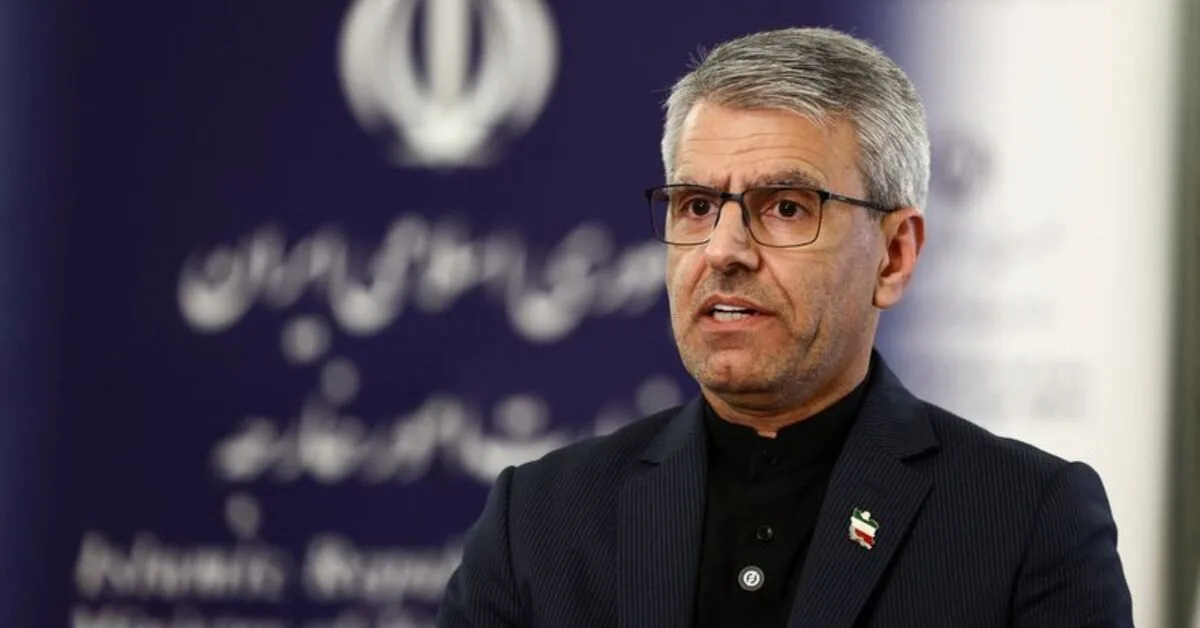
Iran is currently reviewing the United States' response to its proposal regarding the reopening of the Strait of Hormuz. Esmail Bagheri, spokesperson for the Iranian Foreign Ministry, announced that the country will respond to Washington through intermediaries after completing this review.
Exchange of messages and mediation
Bagheri stated at a press conference that Iran continues to exchange messages through intermediaries, but did not provide details on this matter. Qatar and Pakistan are among the countries acting as intermediaries in efforts to end the war that began with U.S. and Israeli attacks on Iran on February 28.
Read more: Vladimir Putin's proposal to help end the war in Iran
After the collapse of a temporary ceasefire in June and the resumption of attacks, Iran presented its proposal in mid-September and later confirmed receiving a response from the U.S. However, this process has since stalled. The head of Iran's National Security stated on Sunday that Washington's response did not adequately meet Tehran's seven conditions for reopening the Strait of Hormuz and resuming negotiations.
Main disagreements and negotiation conditions
One of the main points of contention is Washington's insistence on addressing Iran's nuclear program from the outset. Tehran emphasizes that negotiations should first focus on reopening the Strait of Hormuz, which before the war accounted for about one-fifth of global oil and liquefied natural gas trade, as well as restoring security in this waterway.
Regarding the escalation of conflicts between Saudi Arabia and the Houthi rebels in Yemen, who are an ally of Iran, Bagheri reiterated Tehran's readiness to help resolve the crisis through dialogue. He added, "The issue of Yemen should have been resolved long ago with a UN roadmap, and we have stated that we will support any agreement reached by the Yemenis and Saudis. Our request is for this situation to be resolved through dialogue."
Iran has consistently emphasized the necessity of returning to diplomacy and constructive dialogues and has shown a willingness to cooperate with other countries to reduce tensions. However, the political and economic conditions in the region, as well as international reactions to recent developments, may impact the negotiation process and international relations.
Read more: The U.S. government ruled out an attack on Iran before the midterm elections · U.S. Energy Secretary at Riyadh oil summit: Iran seeks to harm regional energy security