Iran announced on Monday that if its demands are met by the United States, a revised proposal for the reopening of the Strait of Hormuz could be implemented within two days. This news comes as diplomatic efforts to reduce tensions and prevent potential military action following the U.S. midterm elections continue.
Iran's Proposal and Implementation Timeline
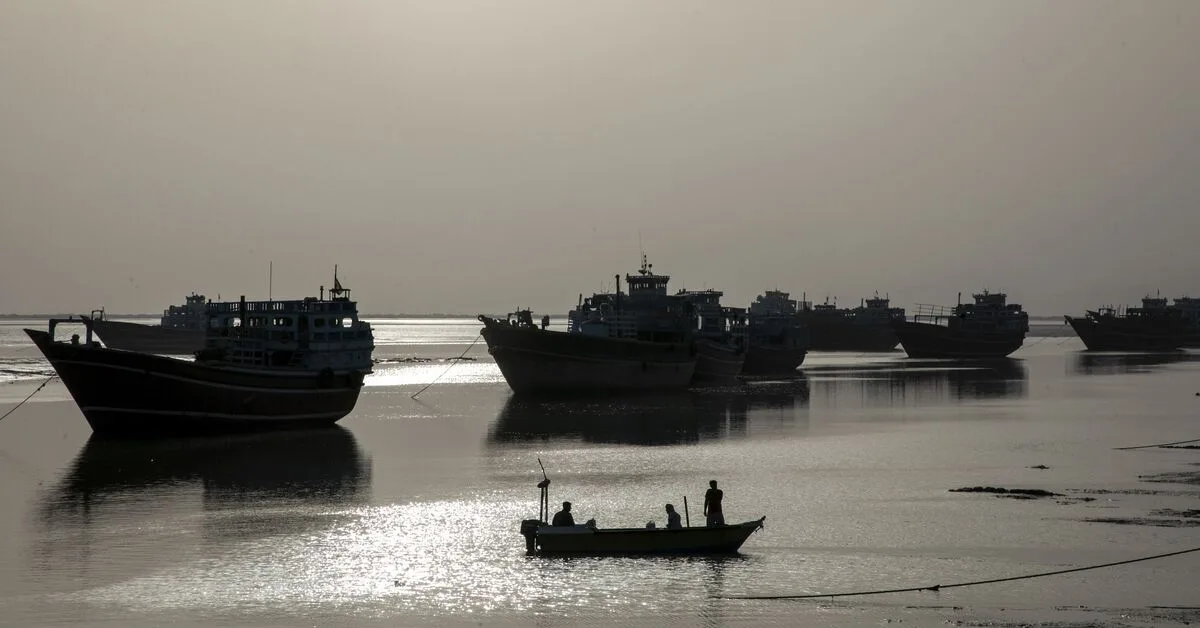
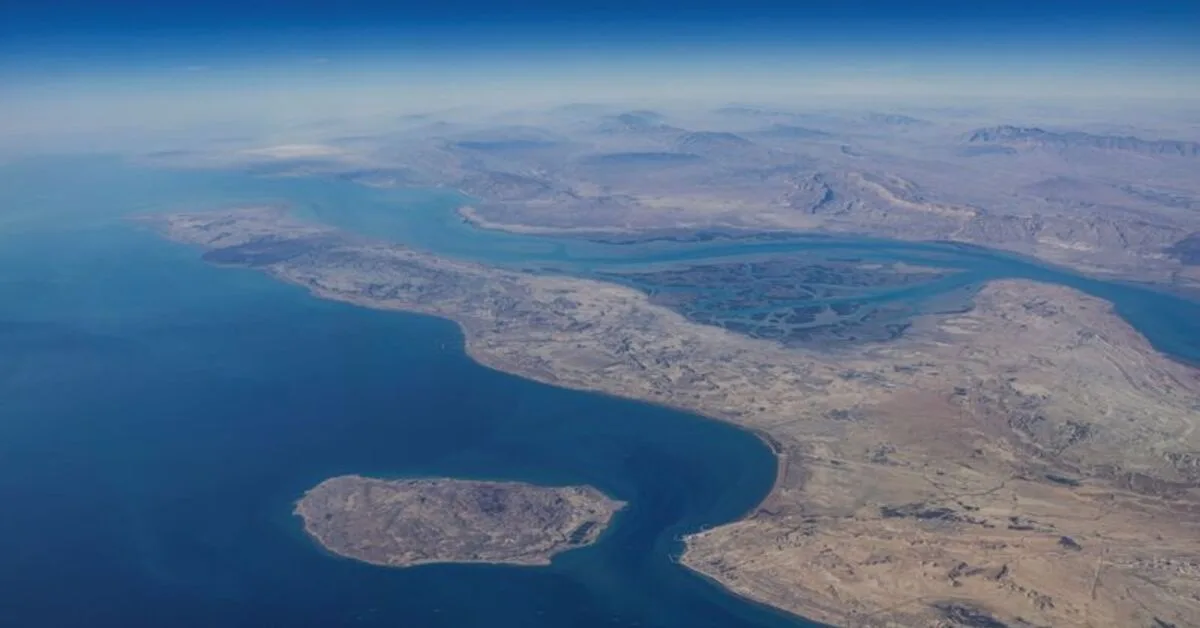
Ismail Baqeri, spokesperson for the Iranian Foreign Ministry, stated that this proposal is based on a seven-day plan that Tehran had proposed last September. Baqeri said, "If Iran's demands are met, there is a possibility to restore security to the Strait of Hormuz and begin the negotiation process in a short time." The Strait of Hormuz, which used to handle about 20% of global oil supply before tensions began, has significantly decreased and is nearly halted due to the Iranian blockade.
Read more: Kuwait: Six People Arrested in Four Drug Cases
Diplomatic Efforts Through Qatar
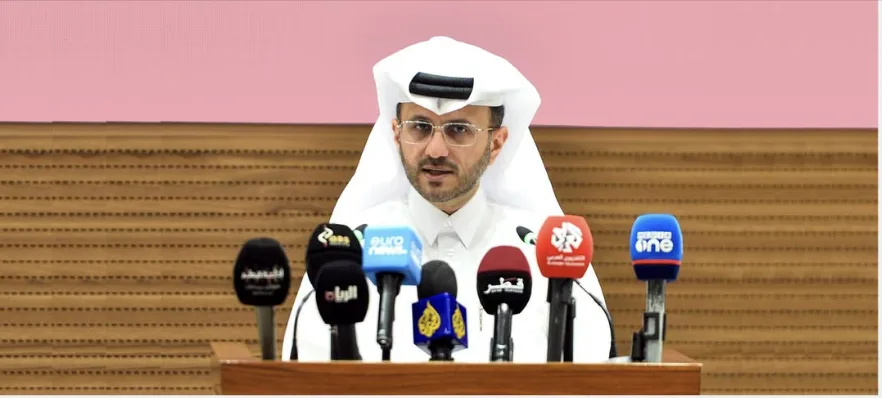
Recent discussions are taking place through Qatari intermediaries who have facilitated indirect exchanges between Tehran and Washington. A Qatari delegation visited Tehran on Friday, and afterward, Kazem Gharibabadi, Iran's Deputy Foreign Minister, traveled to Doha and returned on Sunday. Baqeri announced that the purpose of Gharibabadi's trip was to facilitate communications between Tehran and the intermediaries, adding that negotiations are still ongoing.
These developments come as tensions in the Persian Gulf have significantly increased, and both sides are trying to avoid military confrontation. It seems that the recent negotiations and proposals could be a way to reduce tensions and improve relations between Iran and the United States.
Potential Consequences of the Agreement
A potential agreement to reopen the Strait of Hormuz could have significant impacts on the global oil market and maritime security. Given that this strait is one of the key oil transportation routes in the world, any change in its security status could have profound consequences on global oil prices and the economic stability of countries dependent on this resource.
At the same time, this agreement could pave the way for broader negotiations on nuclear and security issues in the region. For this reason, many observers believe that the continuation of diplomacy and negotiation between the parties could help reduce tensions and create stability in the Persian Gulf.
Read more: Historic Visit of the Sultan of Oman to China and Expansion of Cooperation · Iran and Qatari Mediators Held Third Day of Negotiations to End War with the U.S.