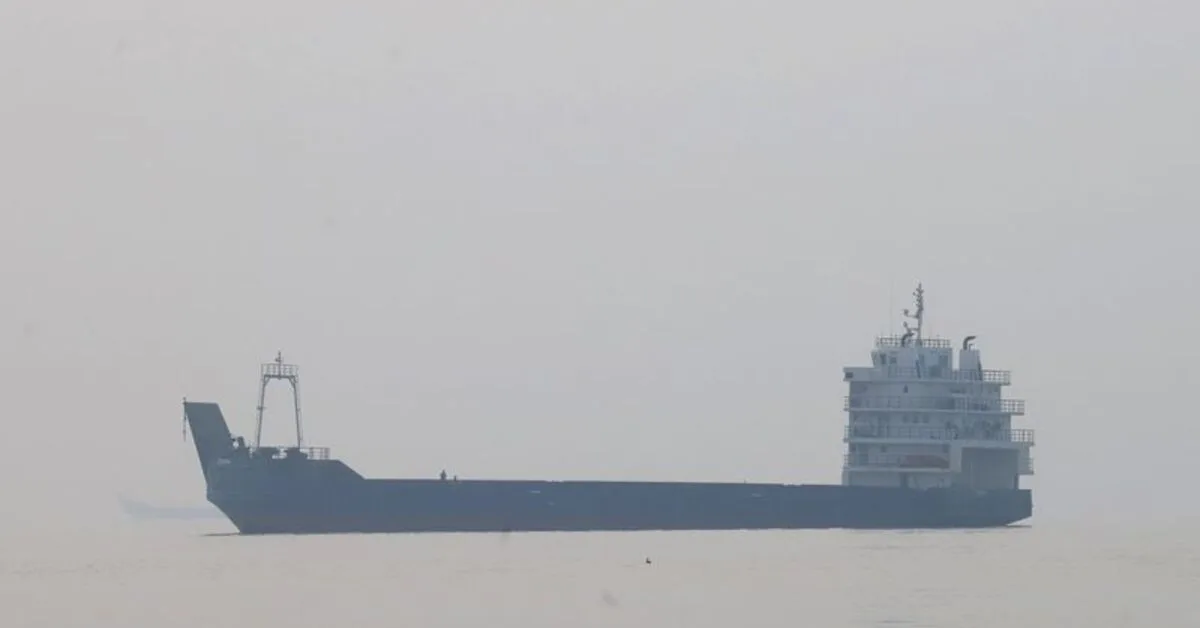
Iran will soon take action to block illegal routes in the Strait of Hormuz. Mohammad Reza Naqdi, advisor to the commander of the Islamic Revolutionary Guard Corps, stated that these routes, which are located along the shores of Oman, have been created illegally and are used by small boats for oil smuggling and transferring it to tankers.
Iran's complete control over the Strait of Hormuz
Naqdi emphasized that "the Strait of Hormuz is closed" and that the armed forces of the Islamic Republic of Iran have complete control over this strategic waterway. He added: "This situation will continue until Iran's legitimate demands are met." These statements come as crude oil exports from the region reached 18.3 million barrels per day on September 30.
Read more: Iran ready to respond more strongly to potential U.S. attacks
Impact on oil exports
Naqdi also pointed out that these illegal routes have primarily been created due to explosions and damage to some rocky passages in the Strait of Hormuz. He stated that these routes have become a challenge as oil exports from the Persian Gulf have returned to pre-war levels. Despite the increase in oil exports in September, Iran's attacks on tankers and logistical constraints continue, raising questions about whether this increase in exports can be sustained.
Meanwhile, another advisor from the Revolutionary Guard, Majid Mirahmadi, stated in separate remarks that an average of 10 ships pass through this waterway daily, while this number was 125 ships before the war began on February 28. The war, which started with the U.S. and Israeli airstrikes on Ayatollah Ali Khamenei, the Supreme Leader of Iran, has had profound effects on the country's oil exports.
Over time, Iran will continue its efforts to maintain control over the Strait of Hormuz and maritime routes. These actions will not only impact Iran's national security but will also have significant effects on global oil markets. The current situation in the Strait of Hormuz and its developments seem to be becoming one of the main focuses of Iran's policies as well as international negotiations.
Read more: Pezeshkian: Effective steps should be taken to strengthen and develop relations between Iran and Denmark · Warning from Iran's representative at the UN to Bahrain regarding airspace