Iran has recently sent its nuclear proposal to the United States via Qatar. A senior Iranian official stated that these negotiations will only begin after Washington responds to Tehran's seven demands.
Details of the Nuclear Proposal
The official, who was not named in the discussion, stated that the United States is reviewing this proposal but did not provide further details. This development comes as mediators have intensified their efforts to end the existing tensions between Iran and the United States.
Read more: Iran Warned of a New War with the United States
Existing Tensions and Negotiation Conditions
The situation between Iran and the United States is heavily influenced by the U.S. midterm elections. Donald Trump, the former President of the United States, did not rule out a return to military operations if he wins these elections. Meanwhile, Iran has threatened extensive retaliation in the event of renewed conflict.
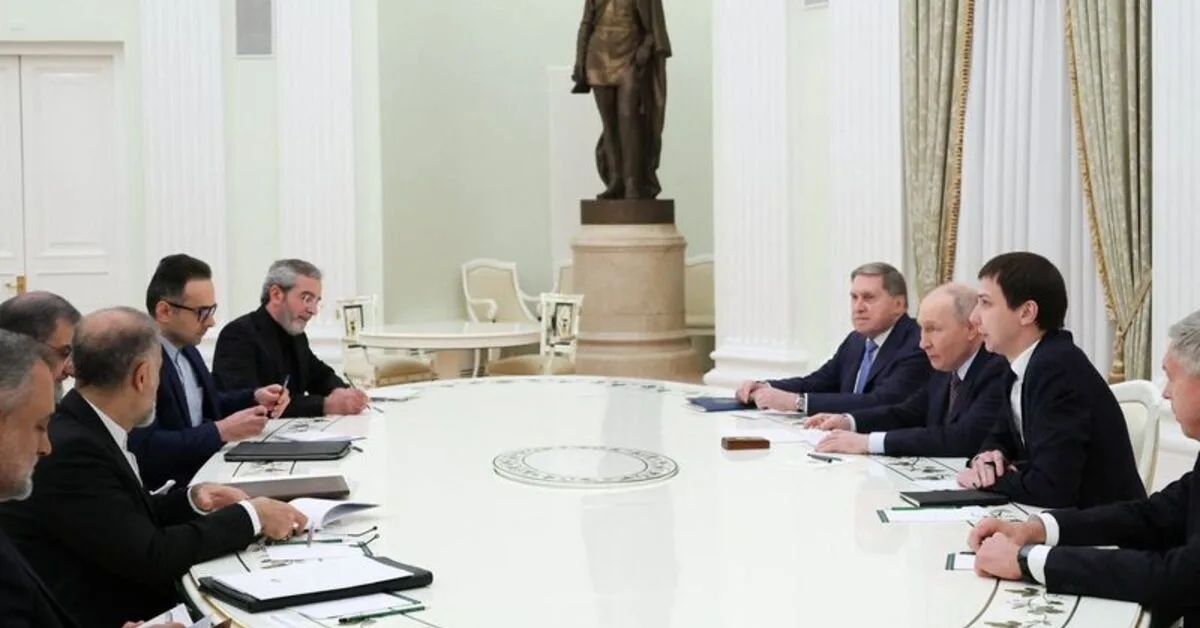
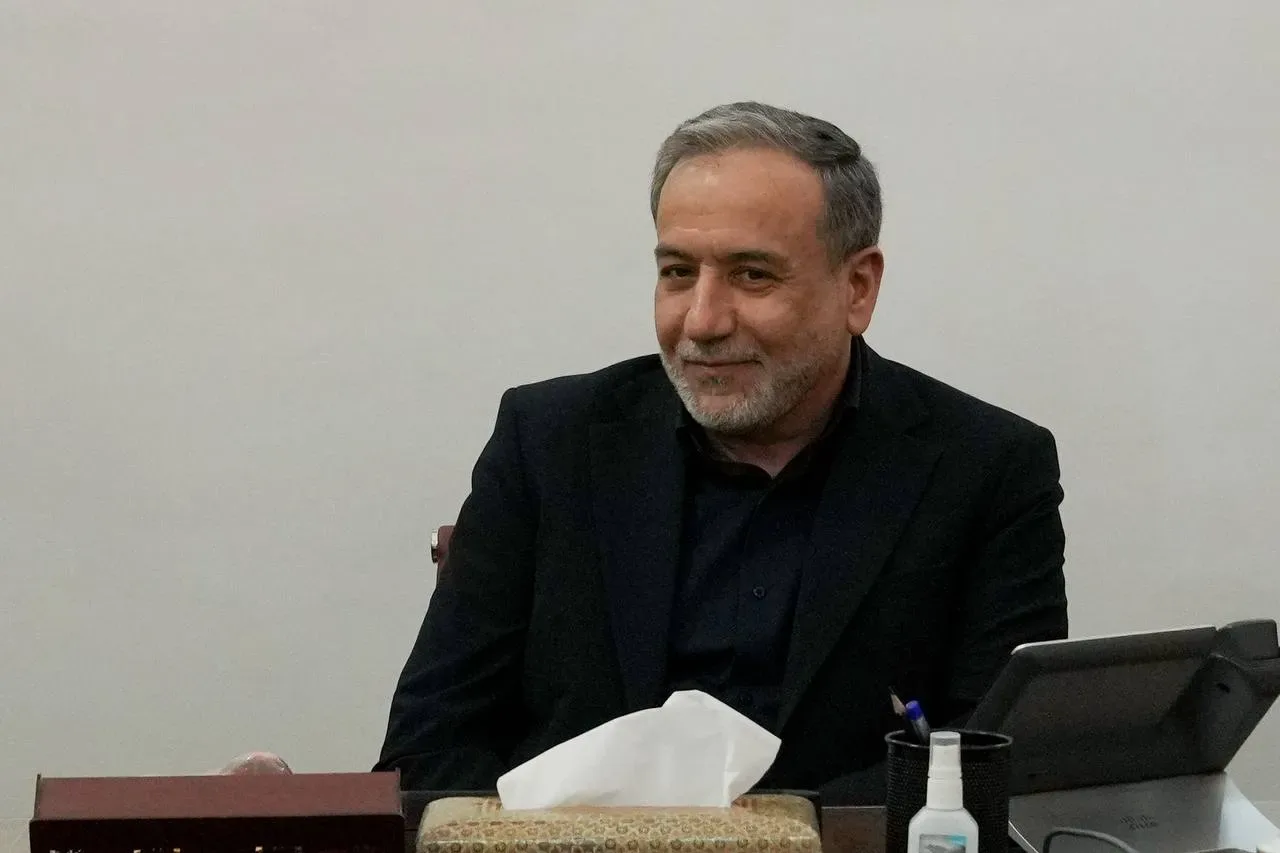
Mahmoud Rezaei, a senior security official in Iran, stated during his visit to Russia: "We have communicated seven conditions to the Americans. As long as these conditions are not implemented, we will neither open the Strait of Hormuz nor engage in negotiations." These conditions include the lifting of U.S. sanctions, the release of frozen Iranian assets, and war reparations.
Meanwhile, the United States has emphasized that nuclear issues must be part of any preliminary negotiations. Tensions between the two countries have significantly escalated, and recent U.S. and Israeli attacks on Iran and Iran's retaliatory responses to these attacks have complicated the situation further.
Recent Developments in the Region
On February 28, the United States and Israel attacked Iran, and in response to these attacks, Iran targeted sites in Israel and Gulf countries. Additionally, tensions have escalated in Lebanon between Hezbollah, which is supported by Iran, and Israel. These conflicts have also spilled over into Yemen, where Iranian-aligned Houthis have attacked targets in Saudi Arabia.
These developments highlight the complexity of international relations in the Middle East and the need for effective diplomacy to prevent escalating tensions. Given the current circumstances, observing the United States' reactions to Iran's proposal and how future negotiations progress is of great importance.
Read more: The Public Session of the Islamic Consultative Assembly of Iran Chaired by Ali Nikzad Has Begun · Changes in Israel-U.S. Relations After the Elections