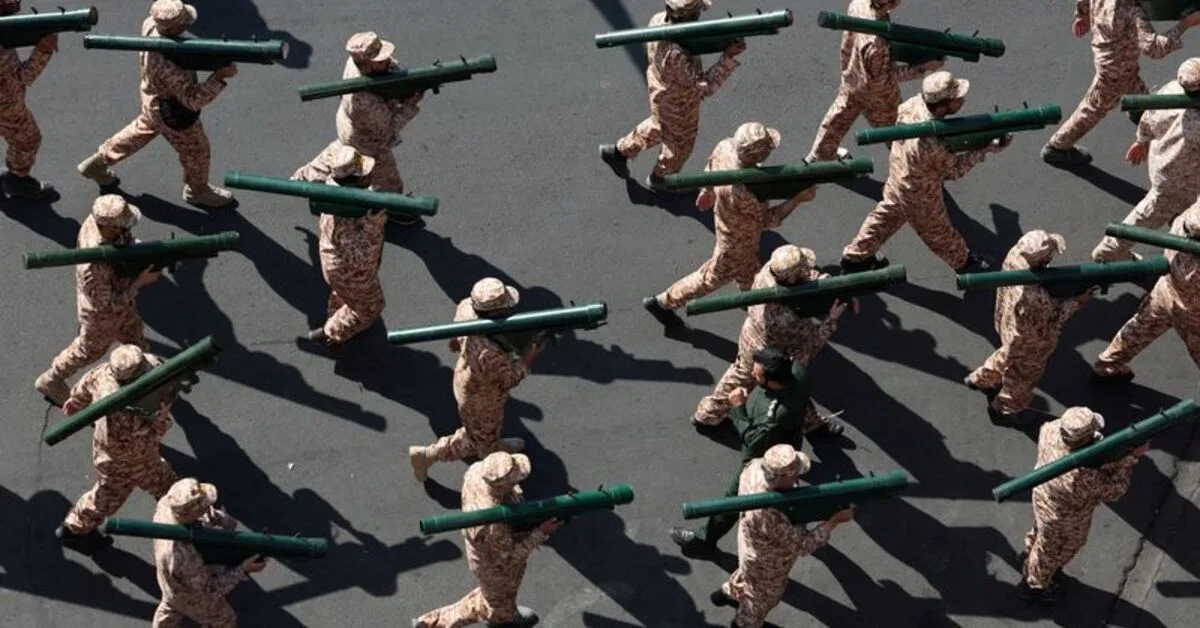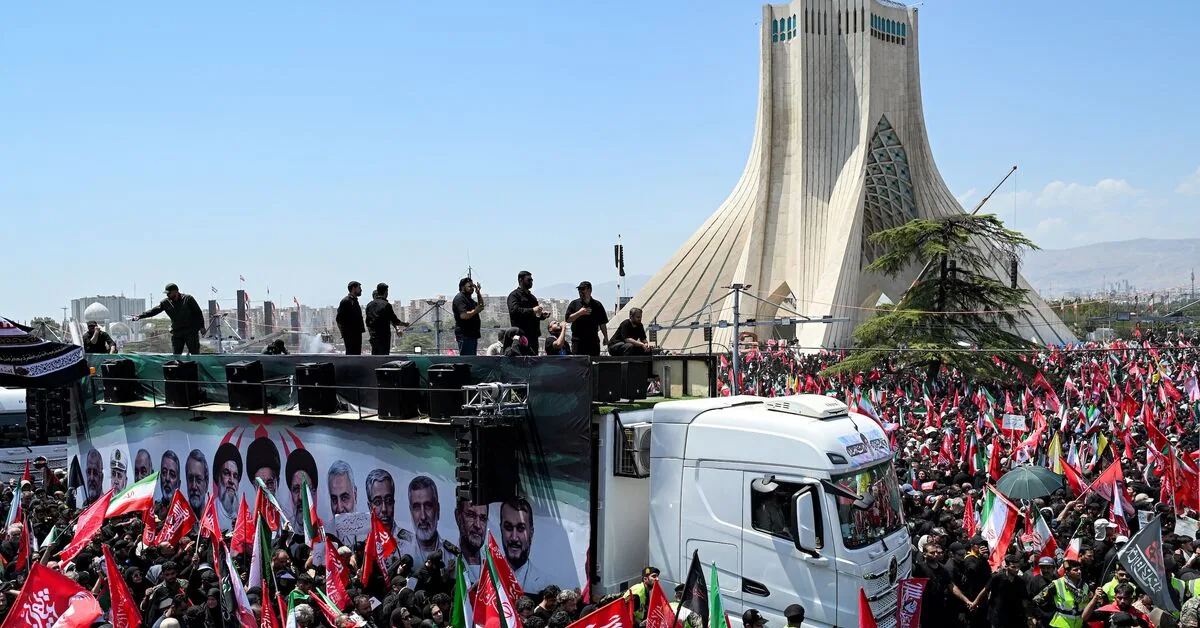
On Sunday, Iran threatened that if the United States resumes attacks against Tehran, it will use new weapons to target new areas in the Middle East. This warning comes amid rising tensions in the region and the potential for escalating conflicts.
New Threats from Iran
The spokesperson for the Revolutionary Guard, Brigadier General Hossein Mohibi, stated in an interview on Iranian state television that in the event of any new attack by the United States or Israel, "we will definitely change the geography of the war." He also added that "we will introduce new weapons with innovative capabilities to the battlefield, and the world will be astonished." Mohibi did not provide further details but emphasized that Iran has new targets that have not yet been attacked.
Read more: The government sent three new bills to strengthen relations with neighbors
Background of Tensions and Conflicts
In the U.S. and Israeli war against Iran that began on February 28, Iran has fired hundreds of drones and missiles at Israel and other countries with U.S. military bases. The country also resumed its attacks following the resumption of U.S. airstrikes against Iran in early September. Mohibi did not specifically name any country but stated that the Revolutionary Guard is prepared for a prolonged war and will defend the country against any escalation.
On Tuesday, the General Staff of the Armed Forces of Iran warned the United States, Israel, and their allies, stating that any attack on Iran would lead to retaliatory strikes against U.S. bases and interests throughout the Middle East. The statement read: "If the U.S. makes a mistake against Iran, all its interests and bases in the region will be subjected to continuous, effective, and painful attacks, without any limitations or considerations."
Possible Consequences
These Iranian threats come at a time when tensions between Iran and the United States have reached a peak. The U.S. State Department issued a statement on Sunday warning American citizens in the Middle East to exercise greater caution and to be prepared for possible flight cancellations and airspace closures.
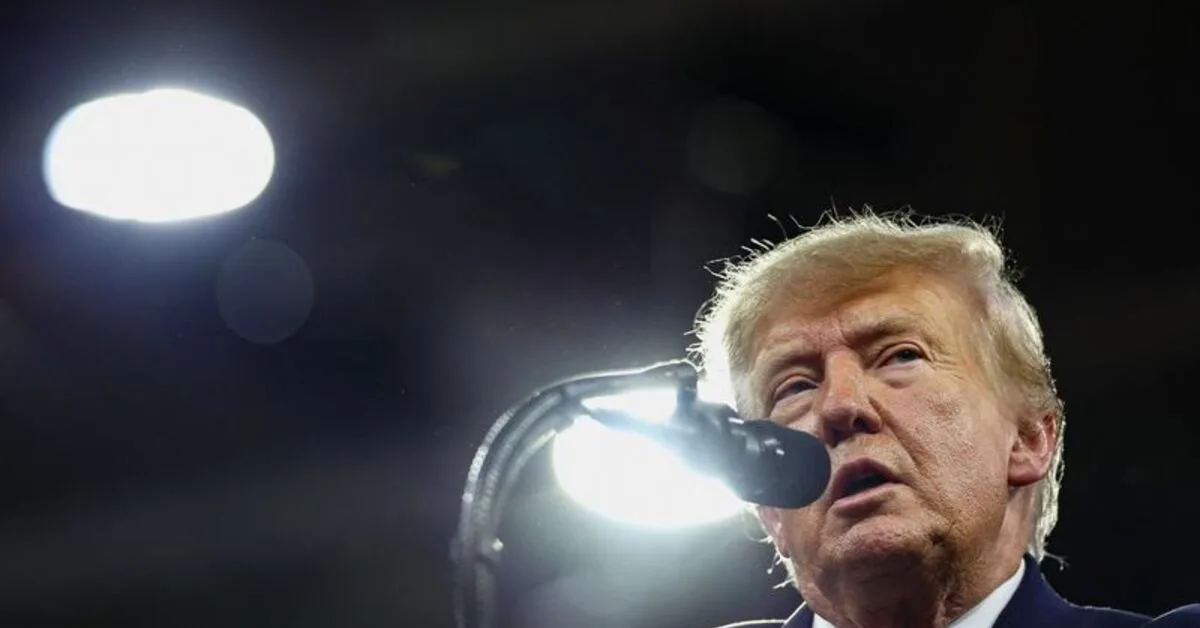
U.S. President Donald Trump, in an interview with Fox News on Sunday, said that some "big things" are set to happen regarding Iran in the near future and added: "My question is: if and when I want to destroy the entire country, when should I do it? They better change their behavior."
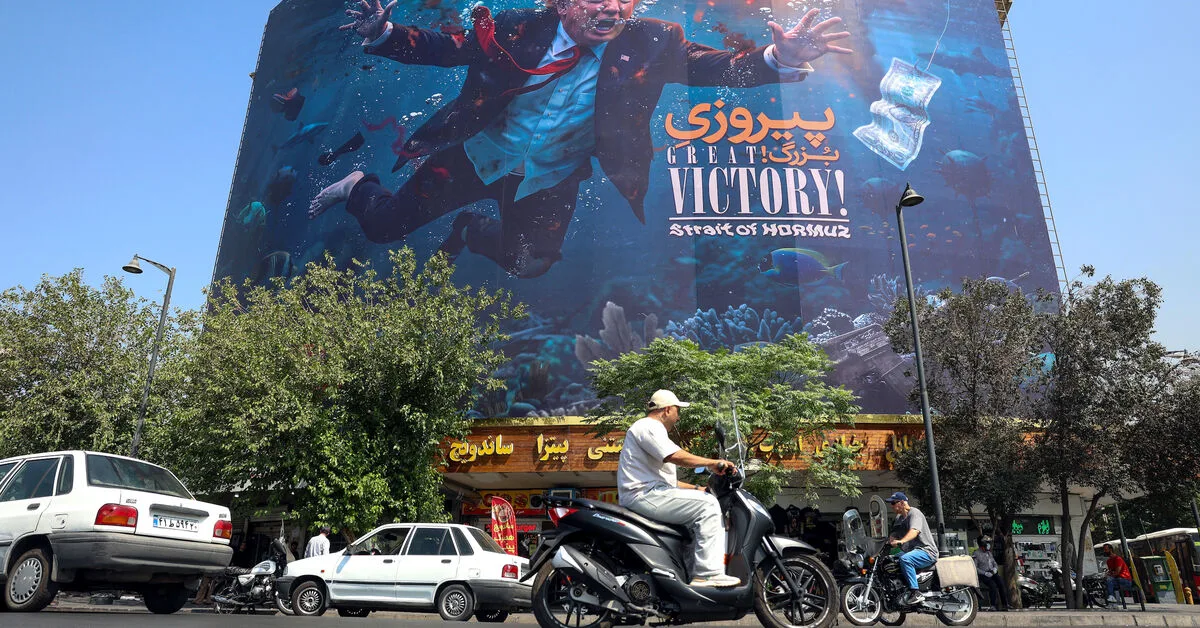
Despite an agreement signed on June 18 between Iran and the U.S. to end the war on all fronts, tensions remain high and exchanges of fire between the two sides continue. Negotiations between the two countries have stalled due to disagreements over the management of the Strait of Hormuz, a vital route for global energy markets.
Regional Developments and International Relations
In this context, the British Maritime Security Organization reported that a project struck an oil tanker in the Strait of Hormuz on Monday, injuring two crew members. The report did not specify the source of the attack, but this strait has been under informal Iranian control since the start of the war. Mohibi also stated that despite having the largest navy in the world, the U.S. has failed to open the Strait of Hormuz and claimed that "in the war with Iran, it has suffered a historic and humiliating defeat."
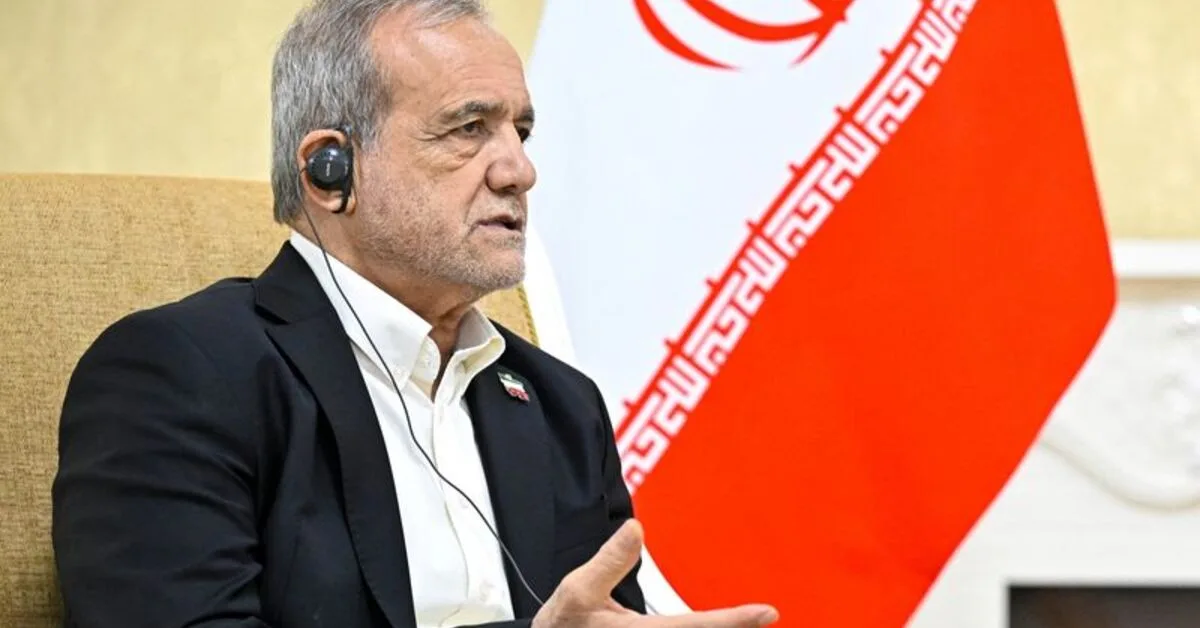
Additionally, the Interior Minister of Pakistan, Mohsin Naqvi, and his Iranian counterpart, Eskandar Momeni, discussed bilateral relations and ways to advance agreements between the two countries in Tehran. Prior to this visit, the spokesperson for the Iranian Foreign Ministry, Ismail Baghaei, denied reports that Naqvi would bring a specific proposal from the U.S., stating that the aim of this visit is to develop bilateral relations and coordination.
Read more: Three new government bills to strengthen relations with neighbors went to parliament · France announced a reciprocal action after the closure of the French language center in Tehran