The KPMG International report indicates that 56% of global business leaders expect external disruptions, including geopolitical conflicts, energy crises, cyber threats, business uncertainties, and climate change-related events, to significantly affect their organizations' operations, costs, and performance over the next three to five years.
Increasing Challenges for Businesses
The report highlights the increasing challenges that businesses must face to prepare for disruptions that could spread through related supply chains. Additionally, 70% of business leaders have reported that risks related to their organizations have increased over the past two years.
Read more: Oman's Oil Exports Increase by 2.5% to Over 235 Million Barrels
Focus on Technology and Artificial Intelligence
Technology and artificial intelligence disruptions have been identified as the biggest concern for the next two years, with 64% of respondents mentioning this issue. Following that, geopolitical conflicts with 58% and macroeconomic uncertainties with 48% are next. According to the report, risks rarely occur independently, and geopolitical tensions, technology disruptions, cyberattacks, and resource shortages can reinforce each other and create cascading effects in global supply chains.
The report also revealed that technological and digital dependencies are considered the most vulnerable stage of supply chains, identified by 46% of respondents. Delivery costs and price volatility with 39% and transportation and logistics with 33% follow in ranking.
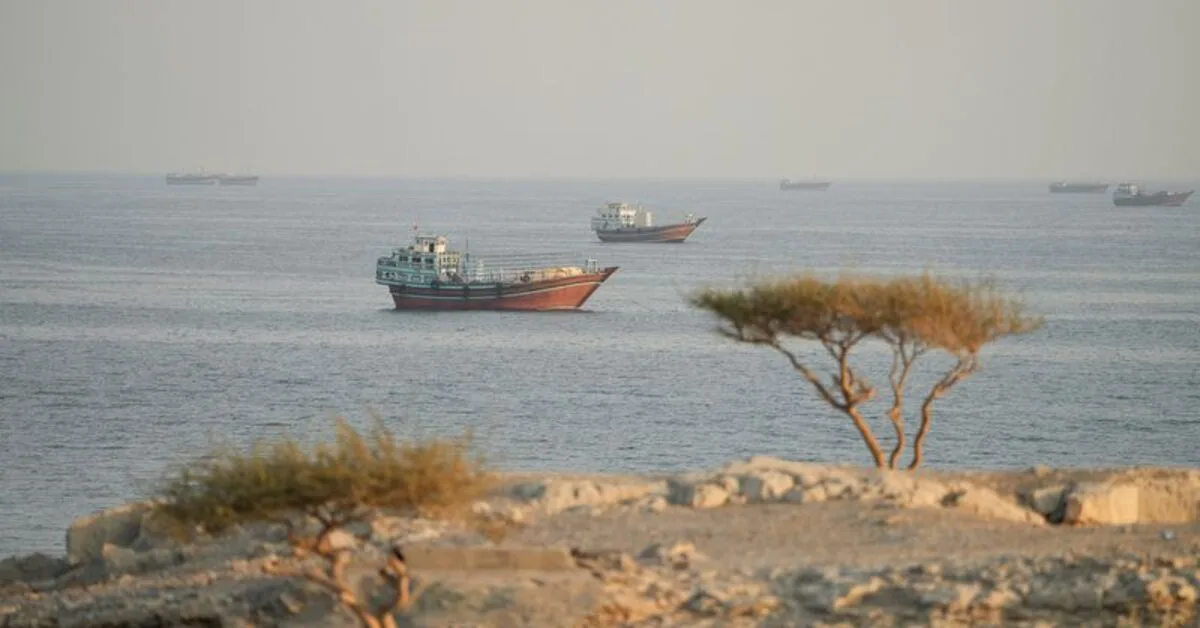
KPMG has pointed to disruptions in critical transportation routes, including those related to tensions in the Middle East and the Strait of Hormuz, emphasizing that these disruptions can extend beyond transportation and impact cargo, insurance, financing, and industrial production. It has also warned that suppliers in different countries may face similar risks regarding routes and maritime infrastructure.
To address these risks, 49% of respondents stated that they have prioritized artificial intelligence and predictive analytics to improve supply chain resilience, while 44% have focused on scenario planning and stress testing, and 39% on alternative sourcing strategies.
Anis Di, Global Head of Energy, Natural Resources, and Chemicals at KPMG International, stated that resilience has become an important topic at the board level. He emphasized, "Resilience is no longer just a supply chain function; it has become a board-level requirement shaped by energy-related disruptions and a broader set of associated risks."
The report states that businesses need to move beyond traditional risk management and towards continuous risk monitoring, scenario modeling, and greater flexibility to protect their critical operations from future disruptions.
Read more: Oman Participates with 15 Companies in Shanghai International Food Exhibition · Brazil Concludes COP30 with Roadmaps to Reduce Fossil Fuels and Deforestation