Brazil concluded its one-year presidency of the United Nations climate change process by presenting roadmaps to reduce deforestation and accelerate the transition from fossil fuels. These roadmaps are designed to assist governments in achieving past climate agreements.
The Need for Action Over Negotiation
Andre Correa do Lago, the President of COP30, who led the United Nations climate summit last November in Belém, emphasized that governments must integrate climate goals into their policymaking. He said, "We do not need more negotiations. What we need is real action from governments. We must completely change the approach of governments in addressing climate change. To implement this, we need finance, infrastructure, and transport ministers to participate in this process."
Read more: United Arab Emirates is battling an oil spill from a tanker on its shores
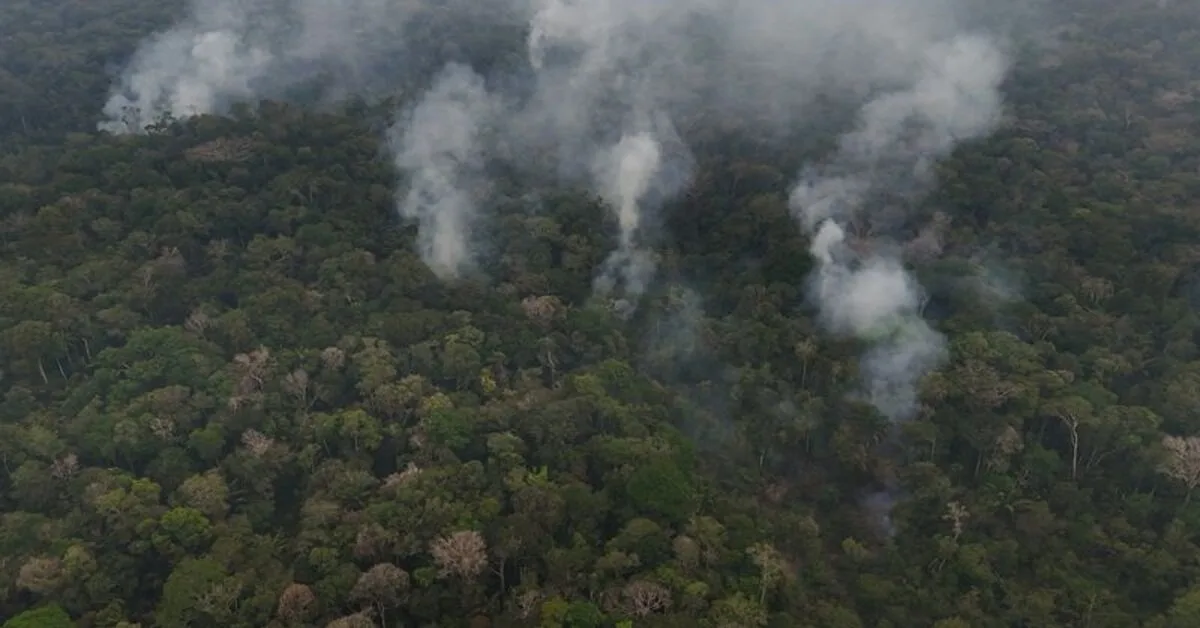
The transition away from fossil fuels and reduction of deforestation are seen as essential requirements to limit global warming to 1.5 degrees Celsius above pre-industrial levels, a goal set during the Paris climate negotiations in 2015.
Challenges Ahead in Financing and Global Agreements
Oil-producing countries have shown reluctance to adopt measures that may threaten their main source of income. Additionally, efforts to reduce deforestation face chronic funding shortages. A United Nations report last month indicated that achieving the 1.5-degree target is increasingly out of reach.
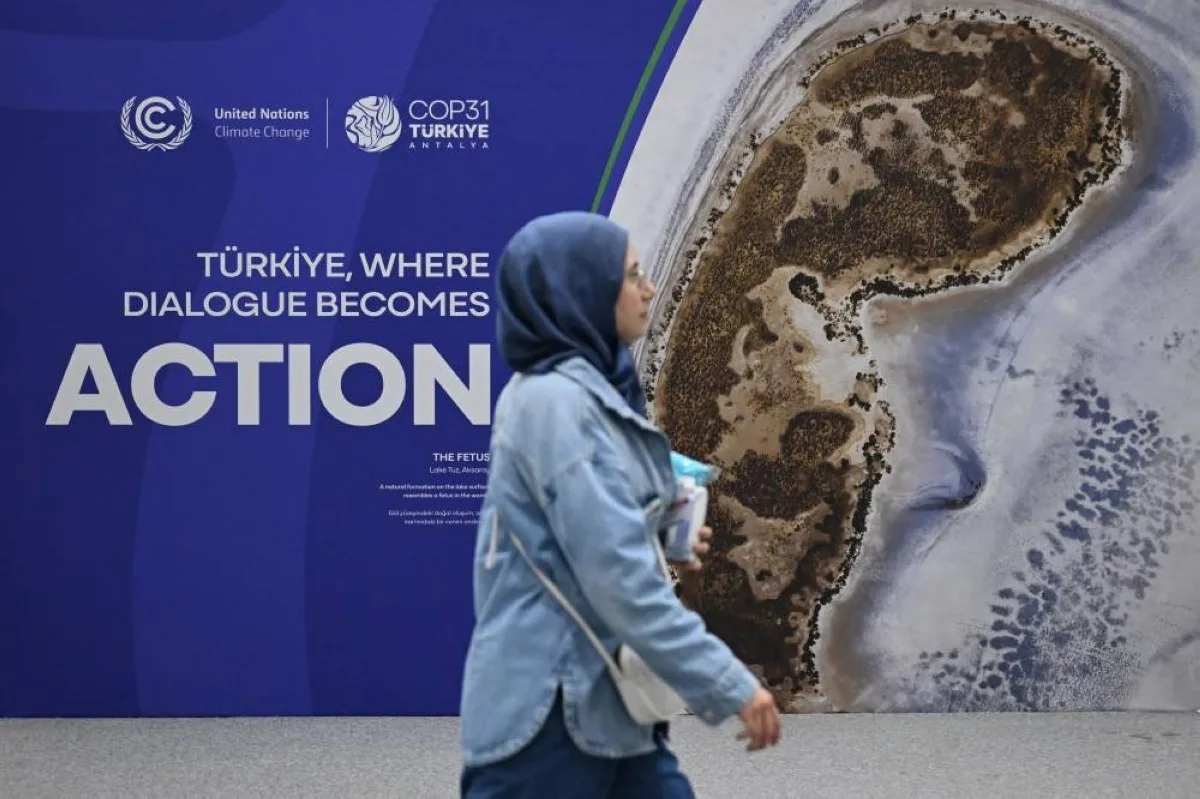
This year's climate summit, COP31, is scheduled to take place on November 9 in Antalya, Turkey. Murat Kurum, the head of the summit and Turkey's Minister of Environment, Urbanization, and Climate Change, has stated that the agenda of this summit will also emphasize implementation and will be based on "dialogue, consensus, and action."
In Belém, Brazil sought to formalize a roadmap for energy transition after more than 100 countries agreed at COP28 in Dubai in 2023 to triple renewable energy capacity by 2030. However, this plan failed to reach a comprehensive agreement and faced opposition from major oil-producing countries.
According to this roadmap, countries will assess their energy systems by 2028, strengthen regulations and institutions, and develop national transition plans. These actions will be conducted in parallel with the second Global Stocktake, which aims to assess whether the world is on the right track to control global warming.
By 2030, infrastructure upgrades and investments in renewable energy must begin. The final phase from 2031 to 2033 will focus on accelerating the deployment of renewable energy, replacing fossil fuels, and consolidating clean energy systems.
Read more: Weather forecast in Oman with a chance of thunderstorms · UN expert invites Indonesia to reconsider participation in Trump's Gaza peace plan