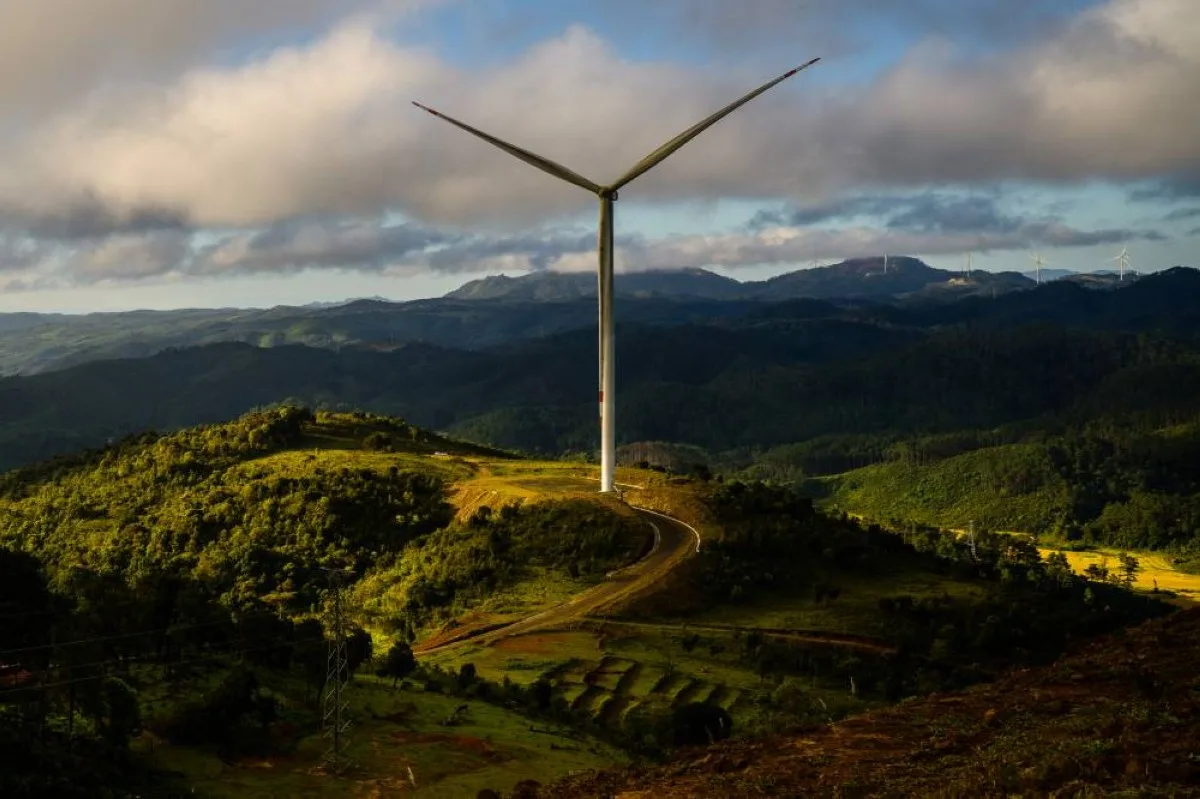
Laos has begun producing wind power with the installation of 133 wind turbines built by China in the Dak Wai region, forming part of regional efforts to diversify energy sources. The Monsoon Wind Power Project, which started operations in August 2025, is recognized as the first cross-border wind project in Asia and the largest wind farm in Southeast Asia.
The Monsoon Project and Its Role in Energy Development
This project, with a cost of over $700 million, sells all of its generated electricity through dedicated transmission lines to Vietnam's national grid. Vietnam, as a manufacturing hub and the fastest-growing economy in Southeast Asia, has recently turned to Laos for energy supply. Previously, it also imported hydropower from its poorer neighbor, Laos.
Read more: Increase in Electric Vehicle Purchases in Damascus Following Fuel Price Hike
Trustin Bligam, a technical program manager at the non-profit EnergyLab Asia, stated that the economy is now shifting in favor of wind energy, similar to the situation that existed for hydropower about 20 to 30 years ago. He added that several wind projects are currently under development in Laos.
Social and Economic Benefits for Laos
The Monsoon Project has brought social benefits to residents near the turbines, such as 23-year-old Tukta Fonsalay. She speaks of improved infrastructure and access to fresh water and healthcare services, but at the same time complains about the lack of permanent electricity access during storms. The power grid in Laos is so outdated that power outages during bad weather are common.
However, Tukta expresses satisfaction that Laos can export electricity, saying, "This helps the country's development and can bring prosperity."
For Vietnam, this project provides a reliable and cheap source of energy. In 2023, the country faced severe power outages due to drought, and in September, the government warned of a potential electricity shortage next year.
Thomas Jacobsen, CEO of Indochina Energy Partners, stated that the price of electricity produced by Monsoon is significantly cheaper than the price of locally sourced wind power in Vietnam. He estimates that Vietnam's state-owned electricity company (EVN) pays about six cents per kilowatt-hour to Monsoon, which is two to four cents less than the rate in Vietnam.
Future Outlook and Challenges
Ninh Zuan Hip, one of the officials at Vietnam's National Power Transmission Company, expressed that this project is crucial for Vietnam to achieve its carbon neutrality goal by 2050. He noted that by 2030, electricity imports from Laos will reach nearly 10 percent of Vietnam's total installed capacity.
The Monsoon Project aims to add an additional 1,000 megawatts of capacity and is working on utilizing some of the excess electricity in Laos as well. Narut Bakajorn, the project’s CEO, emphasized that Laos has abundant natural resources including wind, water, and sunlight, and the country can serve as a successful model for renewable energy globally.