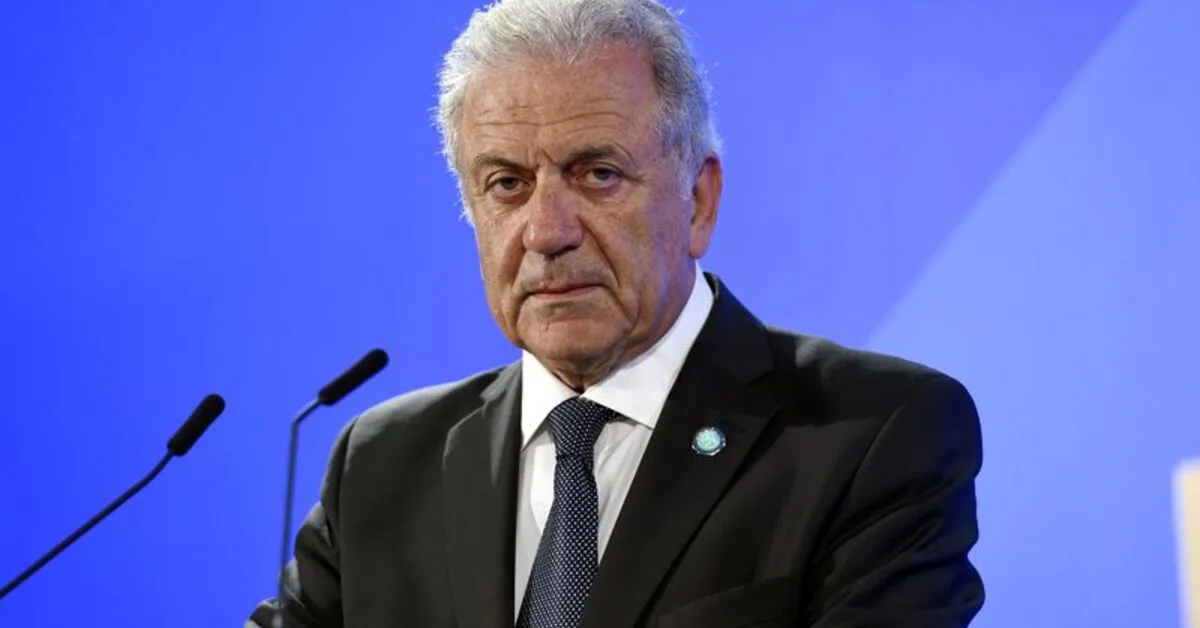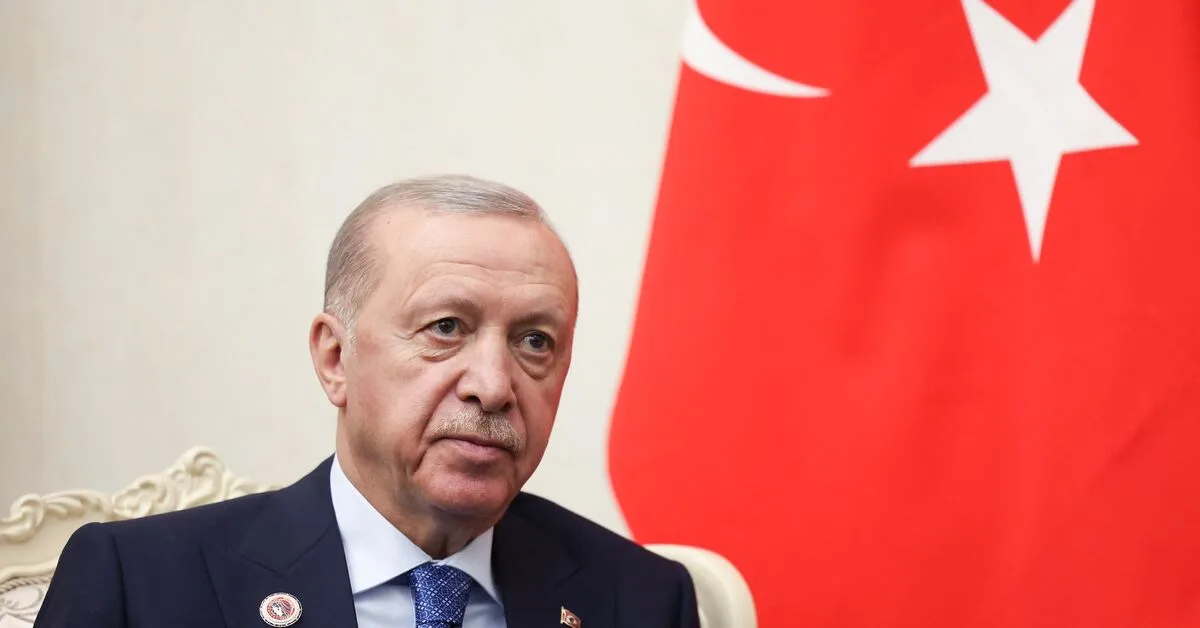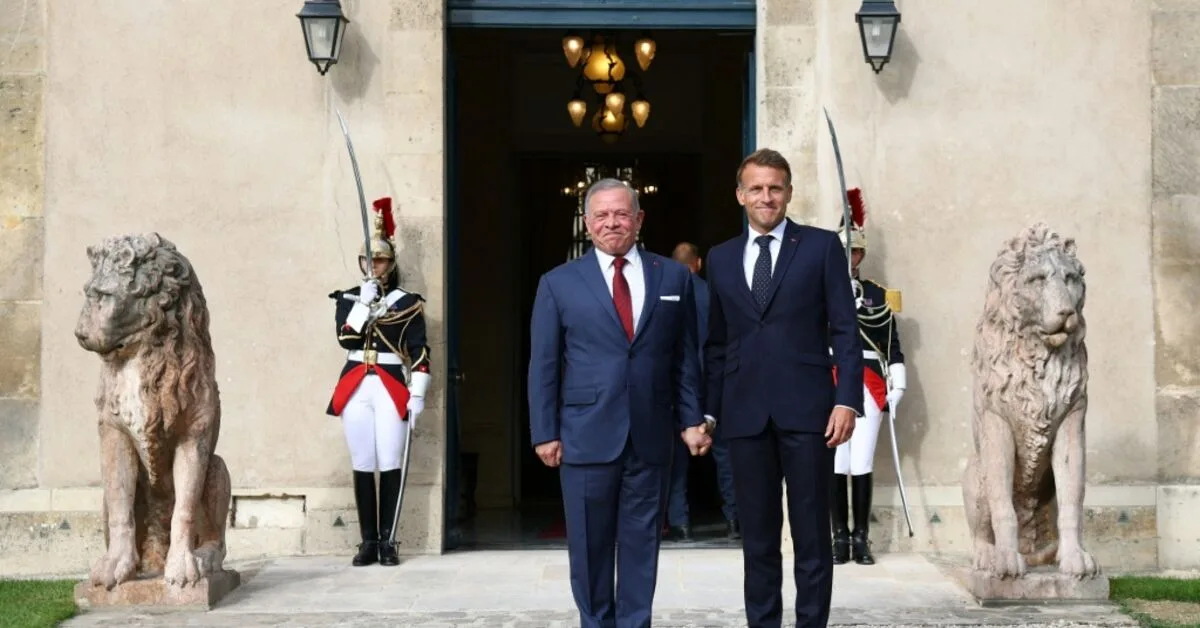
The Presidents of France, Lebanon, and the King of Jordan gathered in Paris on September 22, 2023 (Shahrivar 31, 1402) to discuss international support for the Lebanese Army and the establishment of a new force to succeed the long-standing UN peacekeeping mission in southern Lebanon.
Background of the Peacekeeping Mission
Macron, the President of France, welcomed Joseph Aoun, the President of Lebanon, and Abdullah II, the King of Jordan. This meeting took place as the UN Interim Force in Lebanon (UNIFIL), which has been in operation since 1978 following Israel's invasion of Lebanon, is set to conclude at the end of this year. The UN Security Council, under pressure from the United States, decided last year to end UNIFIL's mission on December 31, 2026.
Read more: Syrian Parliament Abolishes Anti-Terrorism Law from Assad's Era
France and Italy have announced their intention to create a multinational coalition to succeed UNIFIL. The issue of Lebanon will be one of the key topics on the agenda of world leaders who will gather next week for the UN General Assembly in New York.
Bilaterals and Security Challenges
Joseph Aoun stated this week that Lebanon is seeking a new force, whether European or otherwise, to prevent a security vacuum following the withdrawal of peacekeeping forces from southern Lebanon. During the bilateral talks on Thursday, Macron and Aoun discussed "progress in drafting proposals for the Security Council regarding the future of international presence in southern Lebanon."
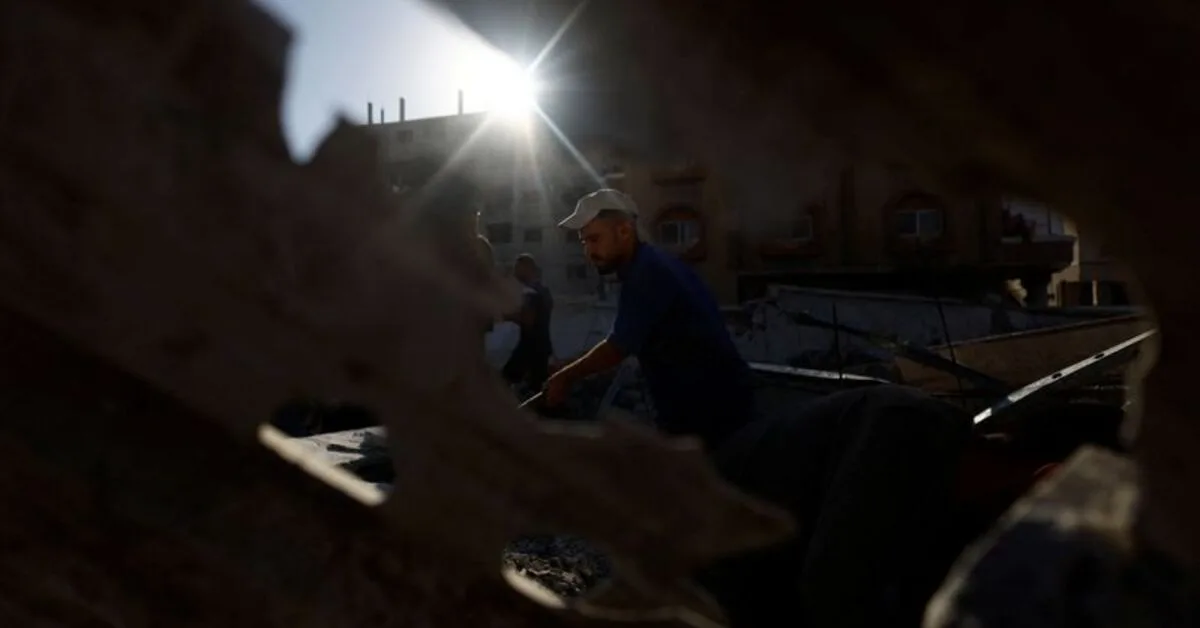
The two leaders also examined Israel's attacks on Lebanese villages and cities and efforts to stop these attacks. In February, Israel and the United States attacked Iran, leading to a war that spread throughout the Middle East. The Lebanese militia, Hezbollah, drew Lebanon into this wider conflict and expressed solidarity with Tehran's government by firing rockets towards Israel.
Israel has attacked southern Lebanon and continues to occupy areas of Lebanon that it recognizes as a "security zone." In June, Lebanon and Israel signed an agreement under U.S. supervision that includes disarming Hezbollah, the gradual withdrawal of Israeli forces from southern Lebanon, and the deployment of the Lebanese Army in the region.
Following the June agreement and the broader U.S.-Iran agreement, violence has decreased, but Israel continues its attacks on Lebanon. The French presidency has stated that the goal of the Paris talks is to examine a plan for the deployment of Lebanese armed forces based on a "transparent, credible, and realistic" framework.
International Support and Reconstruction of Lebanon
Paris has stated that it wants this plan as a prerequisite for what it hopes will be "strong" international support, whether in the form of financial aid, equipment, or training. The poorly equipped Lebanese forces face challenges in carrying out their mission to disarm Hezbollah in the south, which is one of the key conditions for Israel's withdrawal from the area.
Aoun has reiterated his determination to disarm Hezbollah but without conflict. The President of Lebanon has also called on European, American, and Arab countries to support the Lebanese Army. UNIFIL, which is set to conclude its work by the end of the year, has nearly 7,500 troops from 46 countries.
On Thursday, Aoun also emphasized the importance of organizing a conference for the reconstruction of Lebanon, which Macron hoped to hold concurrently with a conference to support the Lebanese armed forces. The outbreak of war last spring indefinitely delayed both gatherings.
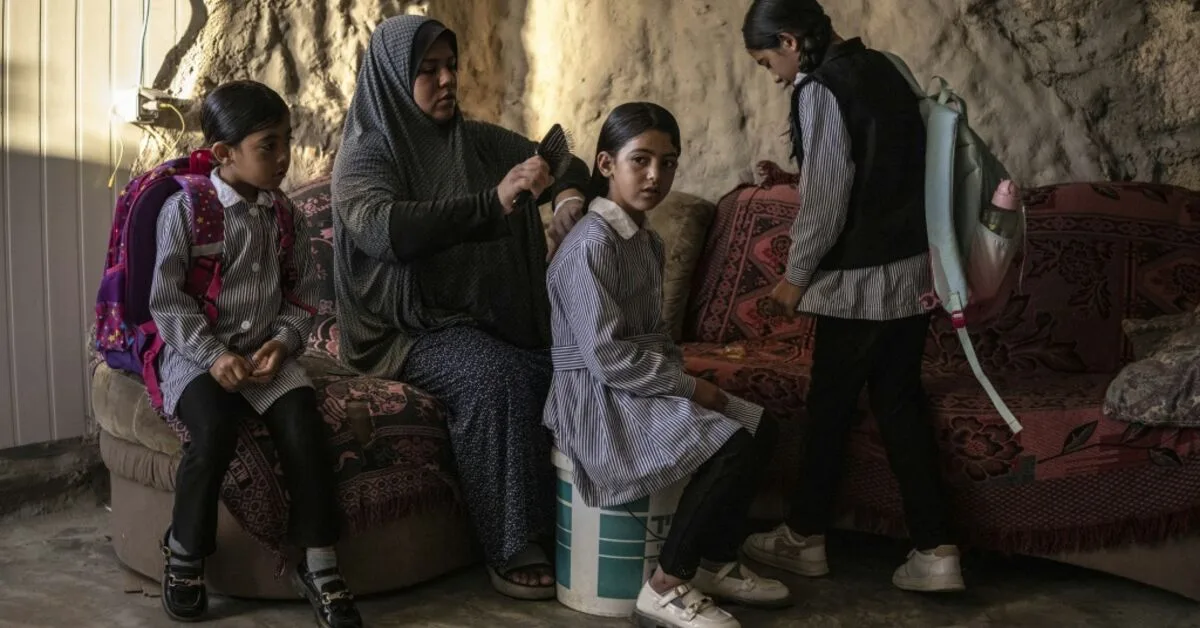
Lebanon has been grappling with an unprecedented financial crisis since 2019 and is still suffering from the war with Israel and Hezbollah in 2024, which drew the Iran-backed group into Middle Eastern conflicts.
Read more: Political Parties in Morocco Seek to Attract Youth in Elections with Job Promises · New U.S. Sanctions Against Networks Supporting Hezbollah and Iran's Proxies in the Middle East