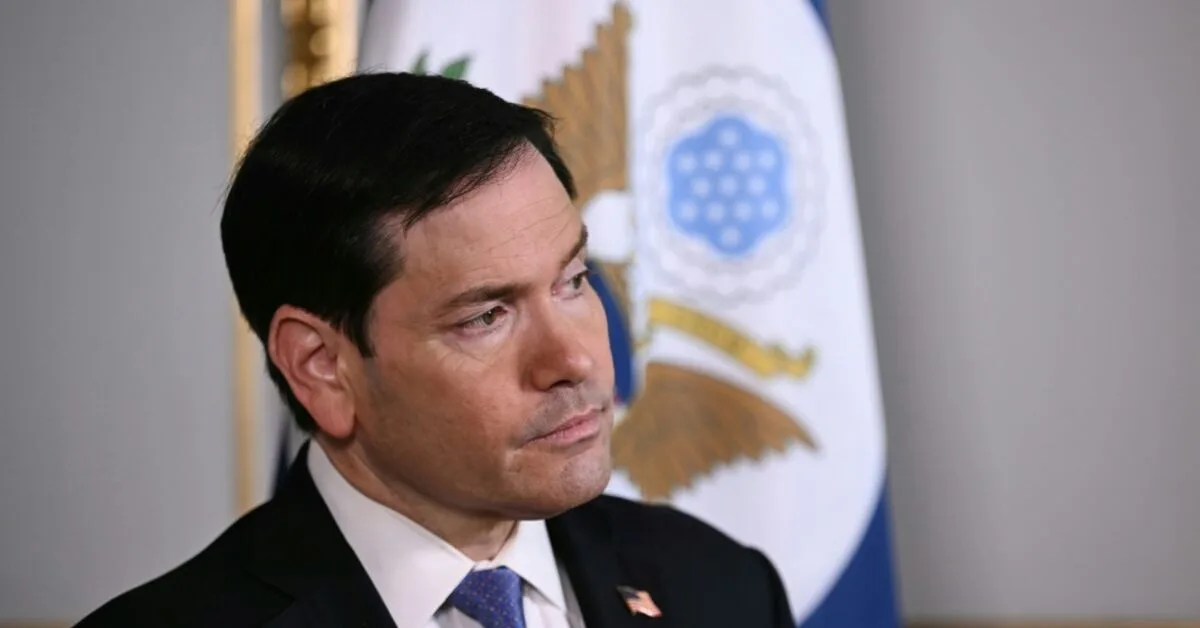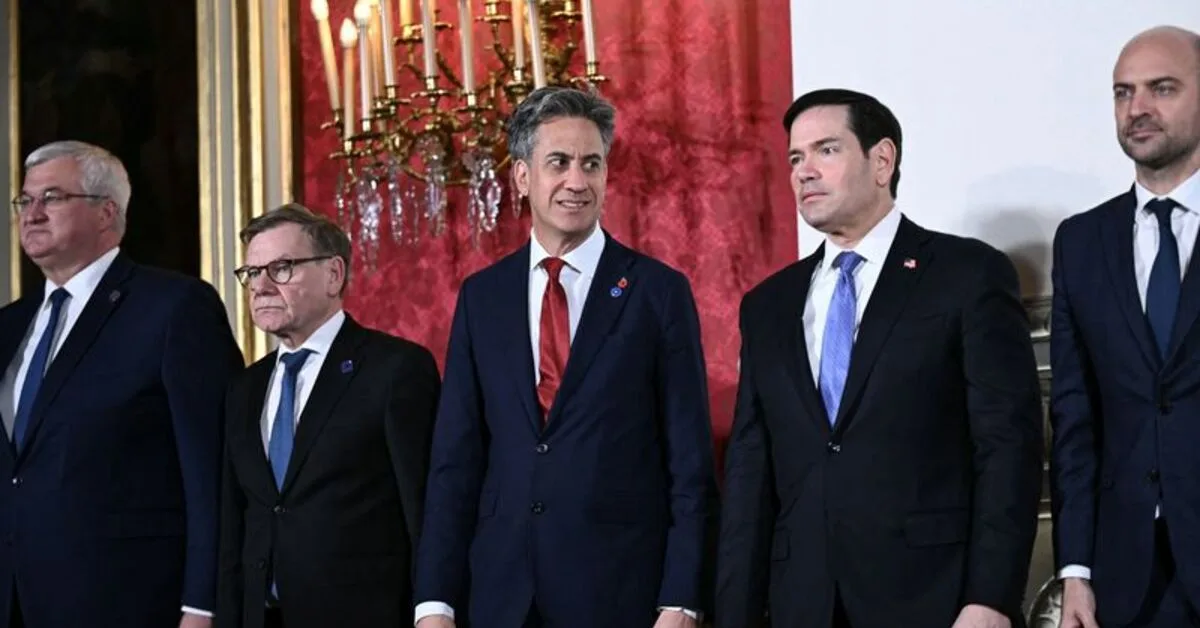
Marco Rubio, the U.S. Secretary of State, emphasized in statements made in Paris that the economic sanctions and naval blockade against Iran have been so effective that there is no longer a need for large military operations. He raised this issue during two days of negotiations with G7 allies and told reporters that President Donald Trump has concluded that political objectives can be achieved through economic pressure.
Impact of Sanctions on Iran
Rubio stated: "The economic pain currently being inflicted on Iran is extraordinary and is increasing every day." He also referenced the views of regional allies in the Middle East who have confirmed his assessment. This comes as President Trump also announced on Monday that he intends to refrain from military strikes against Iran due to requests from regional countries, including the Prime Minister of Qatar.
Read more: Phone conversation of the Iranian Foreign Minister with his Egyptian and Omani counterparts
Economic Strategy over Military
Rubio clarified: "We do not need to carry out military strikes if we can achieve the objective through economic methods and economic pressure. This does not mean a deadlock." He also added: "Iran has never faced as much inability to sell energy in the global market as it does now."
Some of Trump’s senior advisors, including Stephen Miller, the new President of the White House, and Scott Pruitt, the Secretary of the Treasury, also prefer that economic pressure take precedence over military strikes. Meanwhile, Vice President JD Vance is also seeking an agreement with Iran, but it seems that Trump currently believes that reaching a sustainable agreement is impossible.
The White House has not responded to requests for comment on this matter. Trump has also acknowledged that war with Iran was one of the reasons for the Republicans' defeat in the recent midterm elections. Vance, who is considered a potential successor to Trump, stated more emphatically: "The reason for our defeat is this war."
The United States has imposed sanctions on Iran for years, primarily aimed at limiting the country's oil revenues, purchasing military equipment, and cutting off funding for companies controlled by the Islamic Revolutionary Guard Corps, which is the dominant force in Iran's economy.
While Tehran has managed to endure the sanctions, the naval blockade imposed by the United States has inflicted severe economic damage on the country.
Read more: China and Iran: Strengthening Relations Between the Two Countries · The U.S. Government and the Willingness of Qatar and Saudi Arabia for a Peaceful Solution Regarding Iran