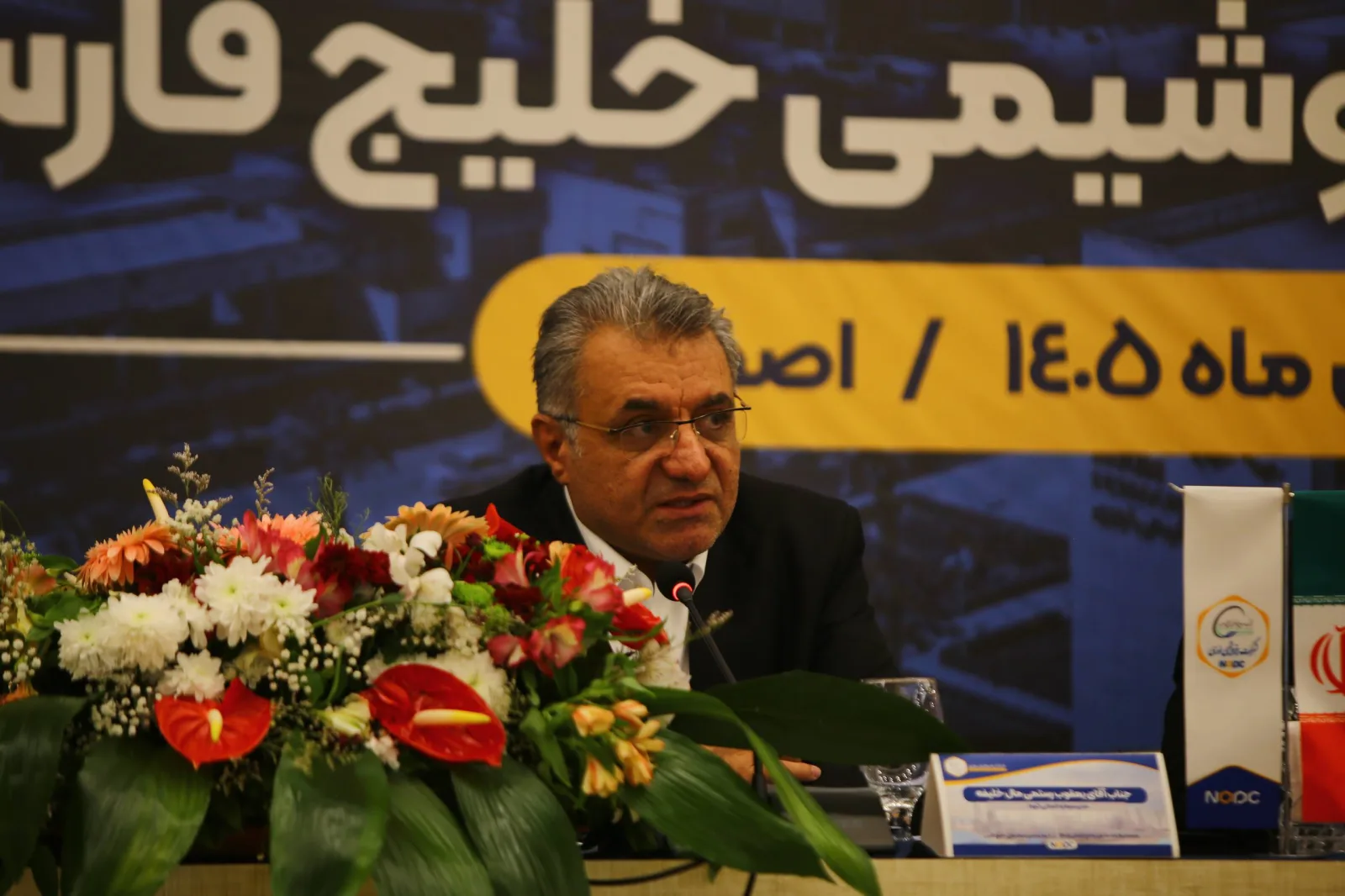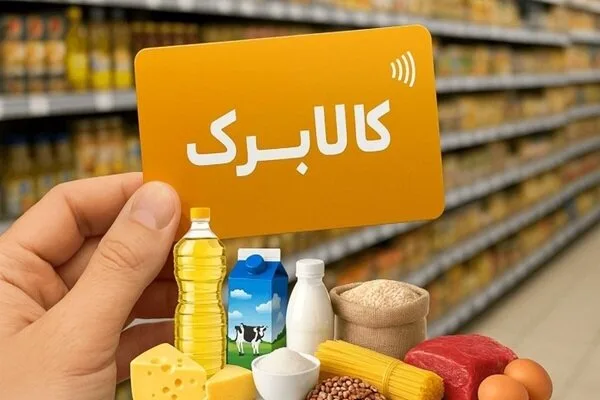
The Deputy for Welfare and Economic Affairs of the Ministry of Cooperatives, Labor and Social Welfare explained the mechanism for filtering information and the statistics of eligible recipients for the 500,000 Toman increase in electronic voucher credit.
Multi-layered Mechanism for Determining Eligibility
Yaqoob Andayesh stated that the targeted allocation of resources is based on a three-layered informational model. In the first layer, the Ministry of Welfare extracted the list of eligible individuals using data from the "Iranian Welfare Information Database" and provided it to the Tax Administration.
Read more: Sheikh Mishal Jaber submitted the annual KDIPA report to the Emir of Kuwait
He added: In the second layer, the Tax Administration filtered individuals who paid higher taxes or were in higher tax brackets based on tax data from this list. In the final layer, the Organization of Planning and Budget operationalized the final distribution of targeted resources based on households' self-declarations.
Statistics of Eligible Recipients and Credit Distribution
Andayesh, referring to the statistics of recipients of this plan, emphasized: Out of the 44 million people who received messages from the Organization of Planning and Budget, by the end of October, over 35 million and 120 thousand individuals were eligible for the credit increase, and the 500,000 Toman increase in vouchers was applied and deposited for them.
He also mentioned the situation of about 9 million remaining individuals, stating: This group includes individuals who have not self-declared in the Planning and Budget Organization's system. Accordingly, a new opportunity for self-declaration will be provided for these individuals, and continuous monitoring and field assessments are being conducted to ensure that no deserving individual is left out of this plan.
Inclusion Rates by Province
The Deputy for Welfare and Economic Affairs of the Ministry of Labor, emphasizing the equity-focused goal of the plan, elaborated on the share of provinces, stating: The highest inclusion rate is in Sistan and Baluchestan province, with about 81% of voucher recipients benefiting from this increase, placing it at the top of the provinces in the country. Following that, the provinces of Kohgiluyeh and Boyer-Ahmad, Lorestan, North Khorasan, and Kurdistan had the highest percentage of inclusion for the 500,000 Toman increase.
Regarding the lowest inclusion rates, he stated: Wealthier provinces such as Tehran, with about 40%, followed by Yazd, Alborz, and Bushehr, ranked at the bottom of this table. In these wealthier provinces, between 40% to 46% of previous voucher recipients received this 500,000 Toman credit increase.
How to Follow Up and Request Review
Andayesh explained how to follow up and register a review request for households with the head of the household's national ID ending in 0, 1, and 2, whose voucher credit was not charged on November 15. He stated that household heads who notice the lack of credit after checking their balance can confirm their current balance by dialing a code. If they do not receive the credit, they can submit a request for a review in the support system.
He emphasized: The only legal way to register a review request is through the "Support System," and cases sent via text message are scams and should not be paid attention to. All steps must be carried out directly by dialing the mentioned code and entering the official support system.
Read more: 94% increase in Suez Canal revenue in October 2023 · Significant growth in India's stock market on Dhanteras