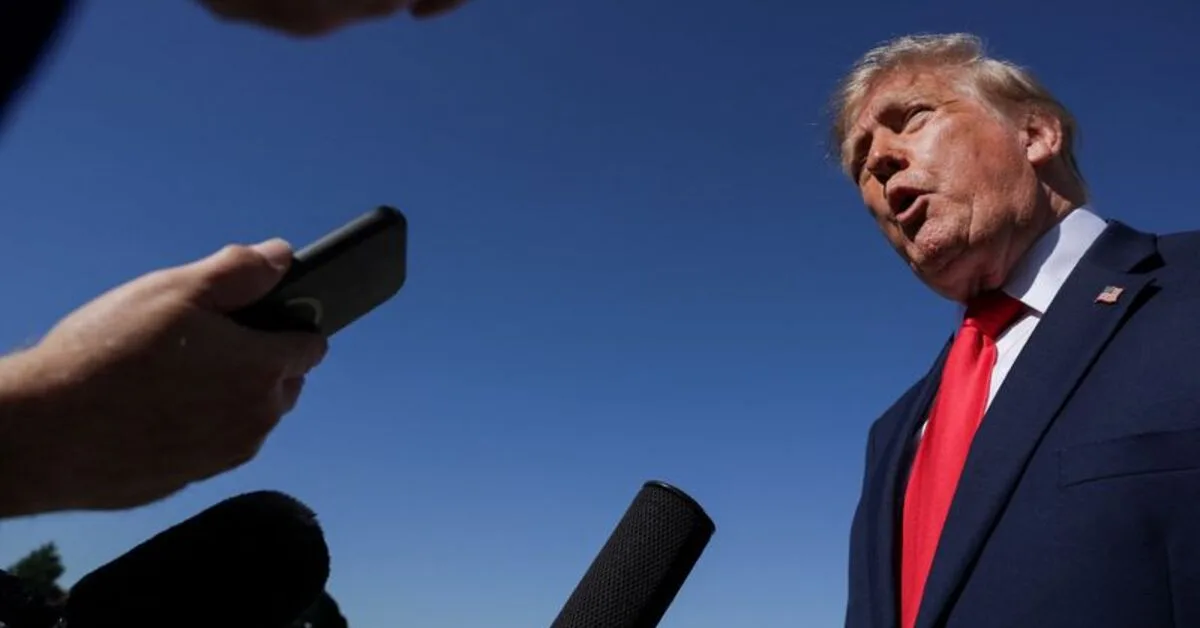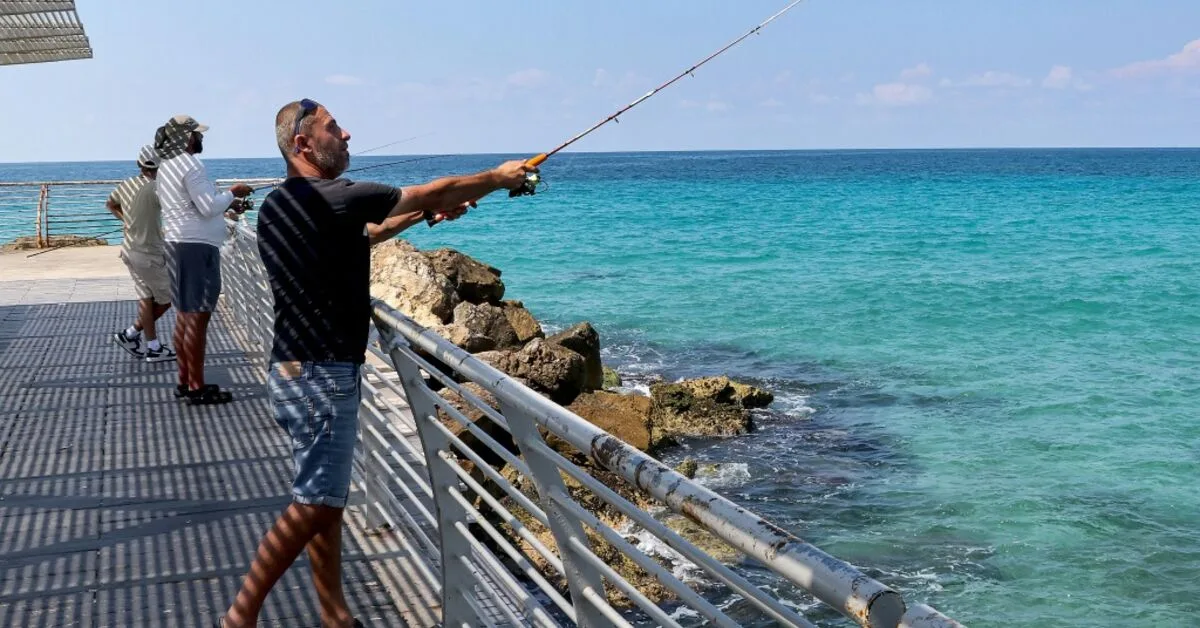
Benjamin Netanyahu, the Prime Minister of Israel, is facing serious challenges from his former supporters in northern Israel ahead of the October 2023 elections. These shifts in political support have emerged following recent tensions and attacks by Hezbollah from Lebanon into Israeli territory.
Impact of War on Political Support
Sigal Malachi, a greenhouse owner in northern Israel, states that many individuals who previously supported Netanyahu have now changed their views. He says, "Many of the people I know were right-wing and supported Bibi (Netanyahu's nickname), but today that is no longer the case." This change in opinion is clearly visible in the traditional bases of Netanyahu's supporters, where many individuals criticize the government's failure to provide lasting peace with armed groups.Read more: Omar Al-Hassanina and the Wait to Return to Gaza
The attacks by Hezbollah, which is supported by Iran, began in October 2023 and followed one of the deadliest attacks in Israel's history. These attacks have impacted the lives of residents in northern Israel, leading to the displacement of tens of thousands. Malachi adds that the recent war has drastically changed daily life, forcing him to close his greenhouse for several years.
Political and Social Divides in Border Areas
Maxim Zarbaylov, a resident of Nahariya, one of the northern cities in Israel, is a former supporter of the Likud party (Netanyahu's party) who is now seeking a change in his voting choice. He says, "I have voted for Likud and Bibi Netanyahu my entire life... but this year I want to vote for Gadi Eisenkot." Eisenkot, the former Chief of Staff of the Israel Defense Forces, is considered Netanyahu's main rival in the upcoming elections.Recent developments and the ongoing war have weakened Netanyahu's support base in border areas. Shadi Touma, a supermarket owner in Shlomi, points to a critical psychological state in the region, saying, "This area is under the influence of a psychological trauma that we have never seen before. People are angry, and the government is unable to provide a comprehensive response. This is a major psychological disaster, and many people cannot cope with a war that has lasted three years."
This war and ongoing tensions have not only led to a humanitarian crisis but have also significantly impacted people's political views. In the last elections in 2022, the Likud party received 43% of the votes in Shlomi, but it is now facing declining public trust. Touma states, "Now residents who once supported Netanyahu are looking for changes because they no longer trust this government."
These changes in electoral support clearly reflect the critical social and economic situation in Israel. The high cost of living has also emerged as one of the main issues in people's discussions in this area. Touma emphasizes that many people are struggling hard to make ends meet.
Read more: U.S. State Department Warning to Its Citizens in Saudi Arabia · Israel National Football Team Wore Black Armbands in Memory of Hamas Attack Victims in Match Against Ireland