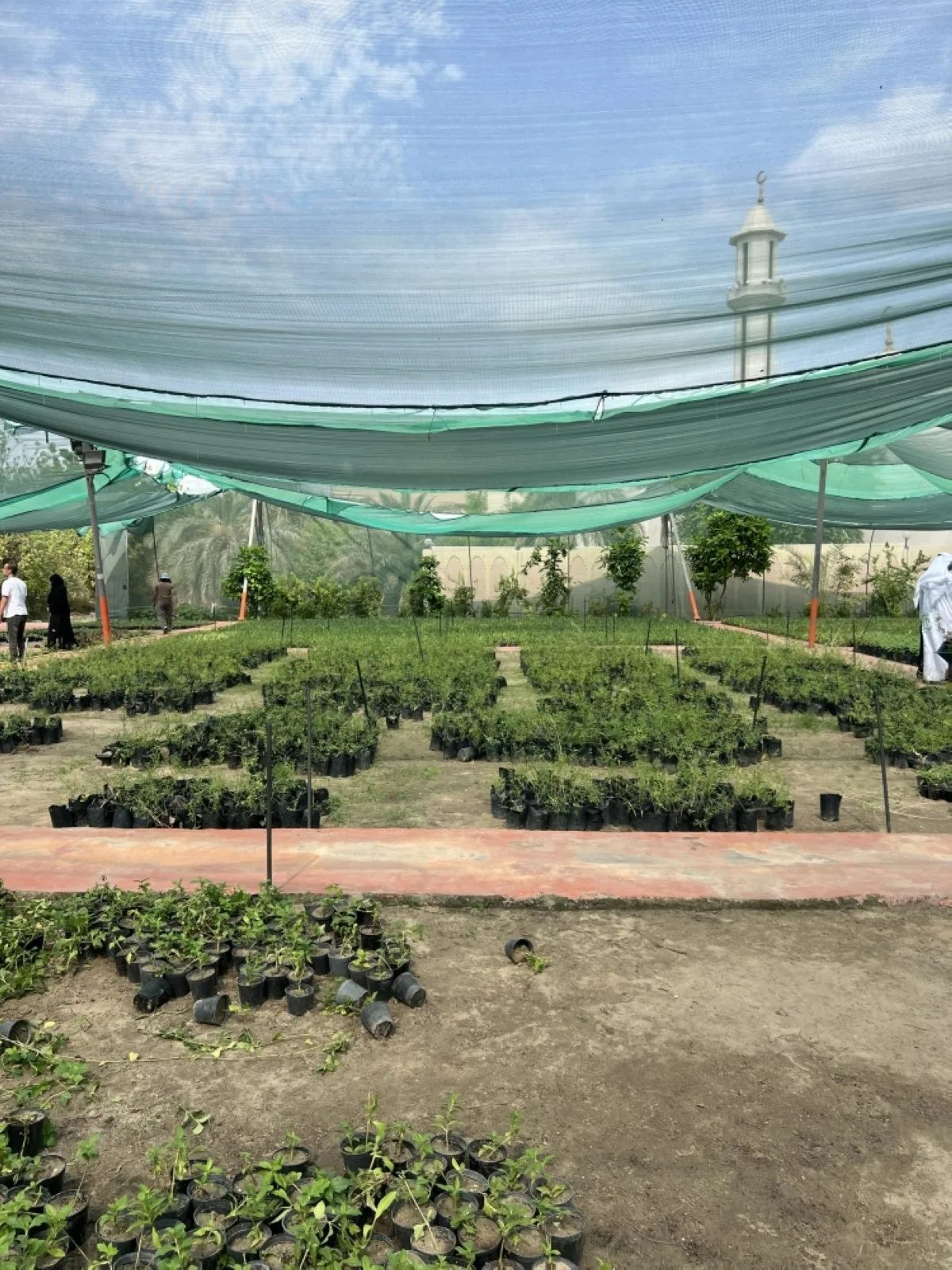
The Sultanate of Oman, on the occasion of Arab Agricultural Day, emphasized the importance of strengthening sustainable pasture management and addressed the increasing challenges arising from climate change, rainfall fluctuations, rising temperatures, and water scarcity.
Sustainable Pasture and Natural Resource Management
Engineer Mansour Hamoud Al-Wadahi, Deputy Director General of Agricultural Development at the Ministry of Agriculture, Fisheries, and Water Resources, explained that this year's Arab Agricultural Day theme emphasizes the reality that sustainable agricultural development begins with land, water, vegetation, and natural resources on which production is based. He added that pasture sustainability is linked to natural capital, rural economy, livestock farming, and the sustainability of related resources.
Read more: Oman Experienced the Highest Recorded Temperature of 45.1 Degrees Celsius
Al-Wadahi pointed out that natural pastures are one of the most important resources connecting humans, land, livestock, and ecosystems in the Arab world, and due to their provision of fodder for livestock, their role in preserving vegetation and soil, supporting biodiversity, and reducing land degradation and desertification, along with providing income and livelihoods for rural and pastoral communities, they hold special significance.
Oman's Actions on Pasture Sustainability
He referred to the issuance of the Pasture and Livestock Management Law under Royal Decree No. 8/2003, which designated natural and agricultural pastures as state property for public use and assigned responsibilities for the rehabilitation of degraded pastures and their protection to the relevant authority.
Additionally, Al-Wadahi mentioned Oman's initiative in pasture sustainability, including the pasture rest initiative in Dhofar Governorate, which was launched on the sidelines of the 16th Conference of the Parties to the United Nations Convention to Combat Desertification (UNCCD) held in December 2024 in Riyadh.
He emphasized that pasture sustainability is directly related to livestock farming and production costs, and the reduction of their production capacity leads to increased fodder costs and pressure on water resources. In 2024, the estimated number of livestock in the Sultanate of Oman was about 4 million heads, and local production that year reached approximately 51,000 tons of red meat, 241,000 tons of fresh milk, and 150,000 tons of chicken meat.
He added that the challenges facing Arab pastures go beyond national borders, and strengthening Arab cooperation and exchanging experiences in this field is essential.
Read more: India Increases Its Cooperation with African Countries and the UAE on Water Security · Oman's Foreign Minister Calls for Restraint from Parties Involved in the Middle East Conflict