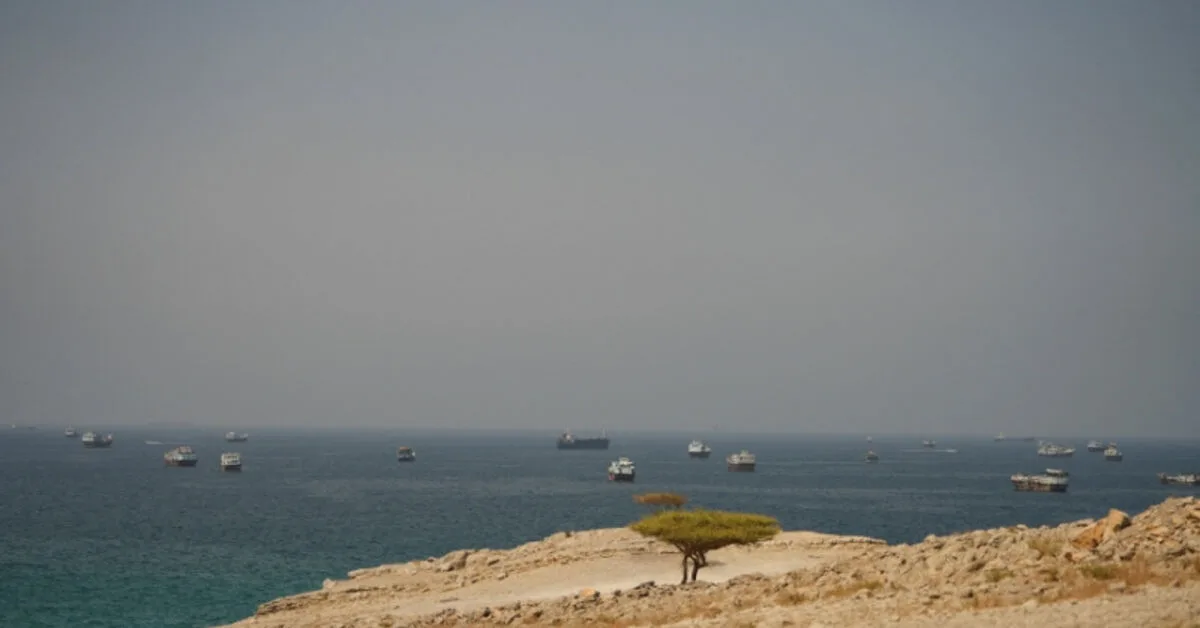
While the Persian Gulf remains in the spotlight, an Iranian official has stated that no agreement regarding Hormuz will be signed at the meeting on Monday in Oman. This news has raised new concerns about the security and stability of the region.
Consequences of No Agreement
The Oman meeting, aimed at reviewing the security and economic situation in the Persian Gulf, could have been an opportunity to strengthen bilateral cooperation and reduce tensions. However, the remarks from this official indicate a lack of key agreements and ongoing tensions in Iran's relations with its neighbors. This comes as some countries had previously expected that agreements would be reached at this meeting to improve the security and economic conditions in the region.
Many analysts believe that the failure to reach an agreement could lead to an escalation of conflicts and an increase in existing crises in the region. Despite efforts for negotiation and dialogue, it seems that there are deeper rifts in the relations between Iran and the regional countries that are not easily resolvable.
Uncertain Future
This Iranian official noted that currently, predictions about the future of security cooperation in the Persian Gulf are very uncertain. With rising tensions and ineffective agreements, it appears that the security of this sensitive region is at risk. In such circumstances, regional countries must closely monitor developments and seek effective solutions to prevent the emergence of new crises.
Given the importance of the issue, this news could influence the course of negotiations and future decision-making at the international level. While international meetings continue, the future of security in the Persian Gulf remains shrouded in ambiguity.