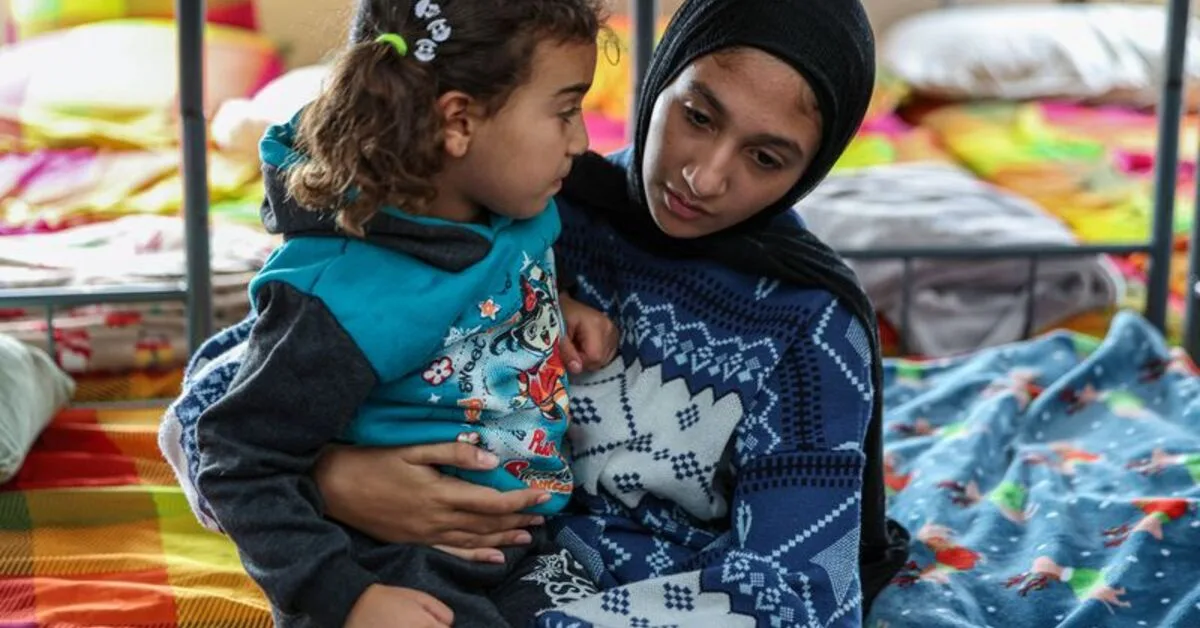
In the heart of southern Lebanon and near territories occupied by Israeli forces, Inaya Sultan, a 13-year-old girl, is striving to achieve a normal teenage life. She makes pearl bracelets for her half-sister Malak, who is 4 years old, and hopes to become a doctor. Inaya lives in an orphanage in Tabbaneh, where about 40 other girls are also trying to create an atmosphere of warmth and normalcy.
History of the Orphanage and Existing Challenges
This orphanage was established in 1978 during the Israeli military occupation of Lebanon and became a refuge for girls who have lost one or both parents or whose families are unable to care for them. Inaya and her sister Malak lost their father, an ambulance driver, as a result of an Israeli airstrike in March of this year. This incident occurred less than two weeks after the outbreak of war between Israel and the armed group Hezbollah and coincided with U.S. airstrikes on Iran.
Read more: The U.S. government has asked the Senate to pass the Sun Protection Act
Daily Life of Orphaned Girls
The girls go to school in Tabbaneh during the day, and their uniforms, backpacks, and lunches are provided by the orphanage. At night, Inaya puts Malak to bed and comforts her. She says, "Sometimes when an attack happens, Malak clings to me and says that they hit Daddy (father)." Inaya also adds that Malak wishes to become a firefighter or an ambulance driver to follow in their father's footsteps.
According to statistics from the Lebanese Ministry of Health, over 4,000 people have lost their lives as a result of Israeli attacks in Lebanon since March, including more than 700 ambulance drivers, children, and women. Israel claims to have established an area called the "security zone" in southern Lebanon to protect its citizens from armed attacks. While Israeli forces say they do not deliberately target civilian infrastructure, Hezbollah denies this claim.
Condition of the Orphanage and Its Future
Despite a decrease in hostilities following a ceasefire in June, Israeli forces still occupy parts of southern Lebanon, where many towns and infrastructures have been destroyed. The orphanage has also been damaged during the recent war, and only part of it has been repaired. Ali Saad, the director of the orphanage, says that the institution is facing financial difficulties due to the economic crisis in Lebanon since 2019, and funding from UN peacekeeping forces is also running out.
Fatemeh Jafari, the caretaker of the orphanage, emphasizes that life must go on and that the girls cannot wait to see if the situation improves. She says, "This place is very important. It ensures the safety and future of the girls." However, the fear of renewed hostilities still exists, and questions about the continuation of the orphanage's activities are raised.
Read more: The U.S. government is under pressure to end the war with Iran after the Republicans' defeat in the midterm elections · Qatari negotiators presented a new plan to end the war to Iran