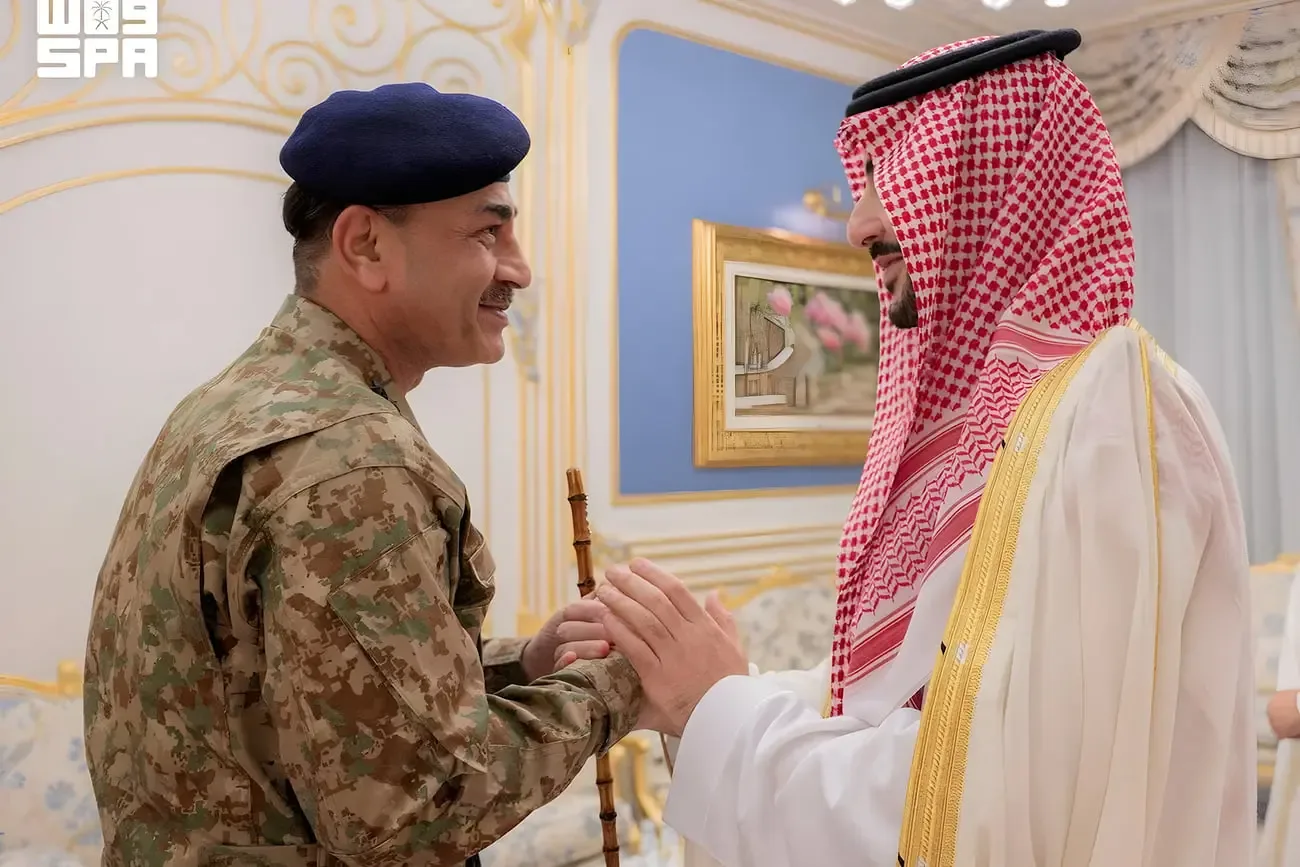
In an unexpected decision, Pakistan has announced its agreement to send troops to Saudi Arabia without the need for parliamentary voting. This move could add new challenges to the relationship between Islamabad and Tehran and reflects the increasing influence of the military on the country's foreign policy during the command of Asim Munir.
Defense Agreement and Current Conditions
This military agreement comes after the signing of a trilateral defense agreement between Pakistan, Saudi Arabia, and Turkey in August. Given the increase in Houthi attacks from Yemen on Saudi targets, this action is seen as an immediate response to regional security threats. Following an emergency meeting of military commanders from these three countries in Riyadh, emphasis was placed on preparing forces and military equipment for rapid deployment.
However, details regarding the number of Pakistani troops being deployed, their mission, and the duration of their presence in Saudi Arabia are still unclear. While the Pakistani government claims that all legal procedures for this agreement have been followed, the lack of parliamentary voting and transparency regarding the cabinet's role in this decision has raised concerns.
Changes in Power Structure and Their Impacts
The fundamental difference between the current situation and 2015, when Pakistan responded negatively to Saudi Arabia's request to send troops to Yemen, is clearly evident. At that time, parliament opposed the deployment, whereas now the military plays a larger role in major political decisions. This shift occurs at a time when Asim Munir, with constitutional reforms, is set to command all military branches until 2030.
These changes not only affect Pakistan's domestic policy but may also impact relations with neighboring countries. Michael Kugelman, a senior researcher at the Atlantic Council, has pointed out that in the past, parliament could oppose troop deployment, but now this possibility has significantly diminished.
On the other hand, the potential involvement of Pakistani forces in military operations against the Houthis has raised concerns in Tehran. While Pakistan has acted as a mediator in regional conflicts in recent months, this action could harm the relationship between Islamabad and Tehran. Given the sensitivity of the issue, Pakistan's direct participation in the war against the Houthis could have serious consequences for regional security.
The recent agreement is not only based on the 2025 agreement between Saudi Arabia and Pakistan but also indicates a shift in Islamabad's defense policies. These changes could have profound effects on security patterns in the Middle East and require more active diplomacy in this regard.
Read more: Iran and Pakistan: Deep historical ties and bilateral relations