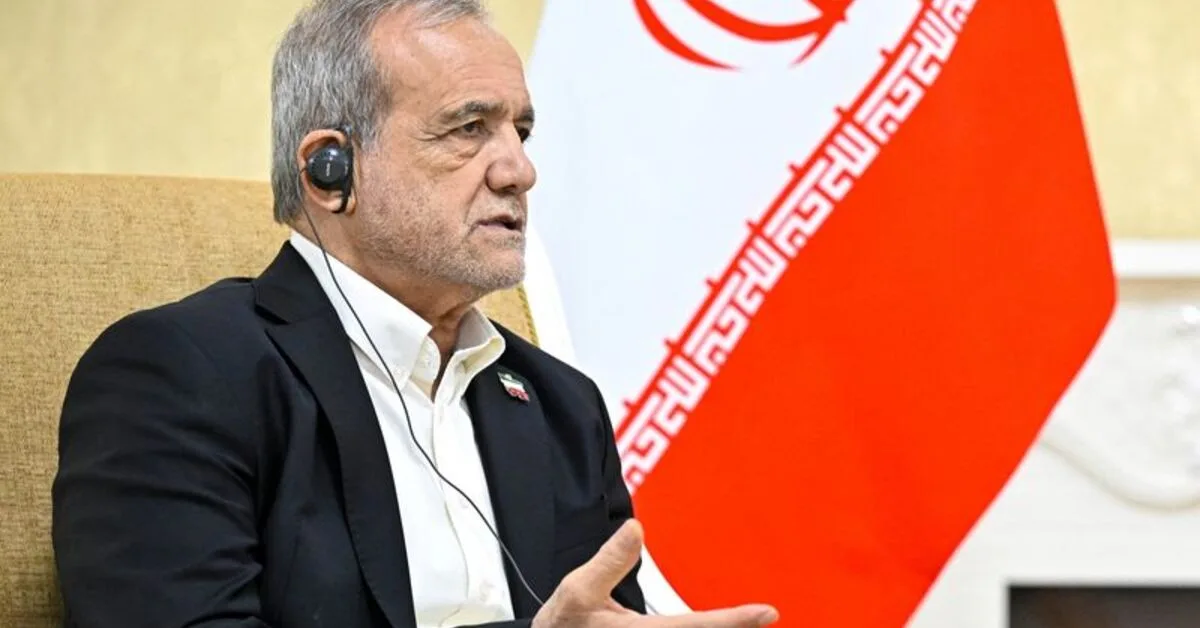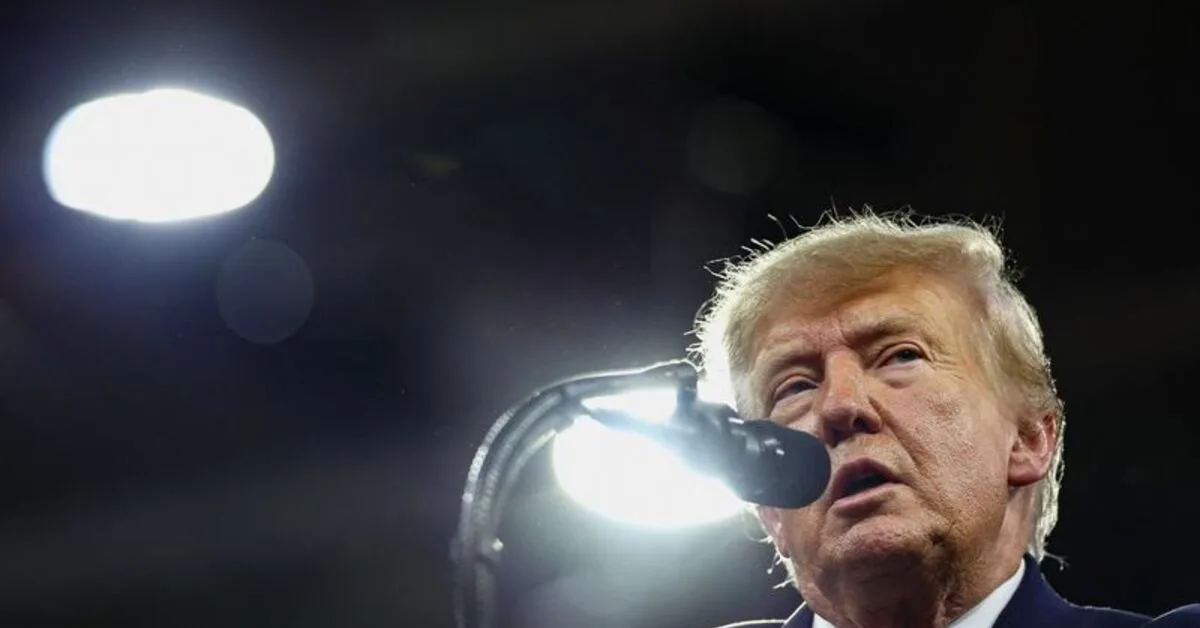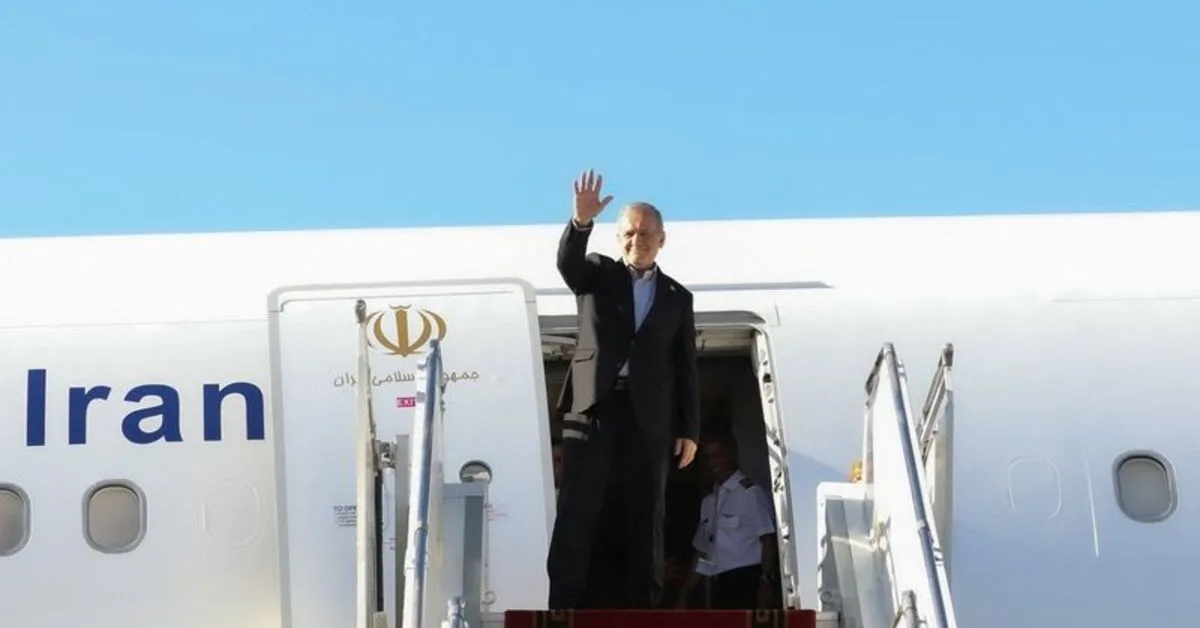
On Tuesday, Iran and the United States hinted at the possibility of reviving negotiations to end existing tensions ahead of the United Nations General Assembly in New York. This assembly will be the first attendance of Donald Trump and Masoud Pezeshkian since the onset of the "Epic Fury Operation" against Iran in February.
Iran's Diplomatic Position
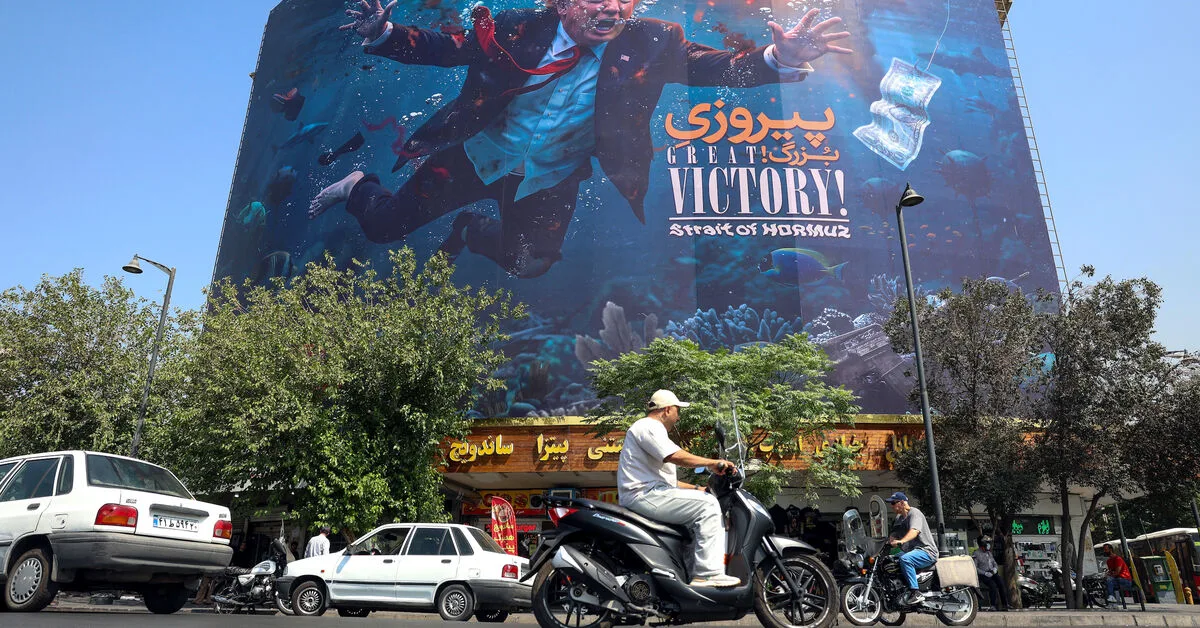
A senior Iranian official stated that there is no plan for a direct meeting between the two presidents, but the Iranian delegation has full authorization to revive negotiations. According to this official, Iran could open the Strait of Hormuz for maritime transport in the Persian Gulf within seven days if Tehran's demands for reducing military pressure and lifting the blockade of Iranian ports are met. The official also added that Iran has conveyed its latest proposal to Washington through intermediaries.
This Iranian official emphasized: "The United States must declare that it seeks a diplomatic resolution to this issue and then agree on a timeline for the progress of this process. The United Nations General Assembly is a golden opportunity for the United States to return to diplomacy."
U.S. Position and Existing Challenges
Marco Rubio, the U.S. Secretary of State, announced on NBC's "Today" program that the United States is ready to talk with the Iranians, especially if these talks lead to positive outcomes and the main objectives of these negotiations are achieved. However, Rubio also noted that Pezeshkian operates within Iran's government system under the supervision of the Supreme Leader, Ayatollah Mojtaba Khamenei, and this issue must be taken into account during discussions.
He also stated: "The central issue is that Iran is under the rule of extremist clerics, and these individuals should never be allowed to acquire nuclear weapons."
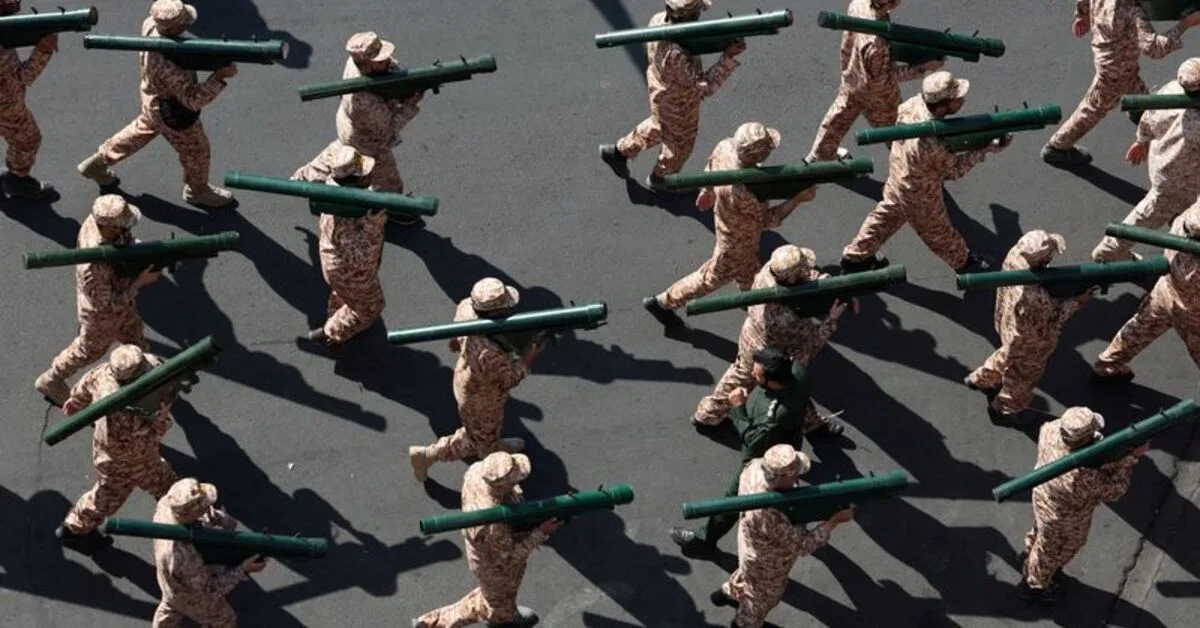
Meanwhile, Mohammad Baqer Qalibaf, the Speaker of the Iranian Parliament, declared on Tuesday that Iran will never surrender and added: "Trump must understand that he cannot impose his power on the people of Iran and their armed forces."
Trump is scheduled to meet on Tuesday with leaders of six Gulf Arab countries, including Bahrain, Kuwait, Qatar, Oman, Saudi Arabia, and the United Arab Emirates. These countries are all seeking to revive transport in the Strait of Hormuz but are concerned about giving too much power to their long-time rival, Iran. All of these countries, except Oman, also host large U.S. military bases that have been subjected to repeated attacks from Iran during the war.
Saudi Arabia, the largest country in this regard, has been drawn deeper into the conflict this month, as Iranian-aligned Houthi forces in Yemen have made advances, defeating Saudi-backed government forces and threatening Saudi oil exports to the Red Sea.
In this context, news sources reported that Saudi Arabia has resumed its operations on its East-West pipeline and may restart exports from the port of Yanbu within the next few hours, although it will be at a reduced volume.
This pipeline is Saudi Arabia's main export route to bypass wartime disruptions in the Strait of Hormuz and had been shut down following attacks that Riyadh attributed to Iran-affiliated forces in Iraq.