The important meeting that was scheduled to take place on Monday, September 23, in the city of Salalah, Oman, between Iran and the Gulf countries has been postponed. This meeting, which was planned following consultations between Tehran and Muscat regarding the management of maritime traffic in the Strait of Hormuz, has been rescheduled at the request of Saudi Arabia.
Reasons for the Postponement
The spokesperson for the Iranian Ministry of Foreign Affairs emphasized in his weekly press conference that the postponement of this meeting was made at the request of Saudi Arabia. Ismail Baqaei also explained that the Salalah meeting was supposed to be held with the presence of the Gulf coastal countries, but for unspecified reasons, it will not take place at this time. In this context, Sayyid Badr al-Busaidi, the Foreign Minister of Oman, also stated that the aim of this meeting was to create better conditions for constructive dialogue and achieving sustainable understandings.
Read more: Joint meeting of Iran and southern neighbors in Muscat with the presence of Seyyed Abbas Araghchi
Speculations Surrounding the Saudi Request
There are many speculations regarding Saudi Arabia's request for changes to the proposals from Tehran and Muscat. Reports from various sources indicate that Riyadh had concerns about the text or some provisions of the existing proposal and requested amendments. Qatari television Al Jazeera also pointed to the simultaneous escalation of the Yemen crisis and the situation in the Strait of Hormuz and the East-West pipeline in Saudi Arabia.
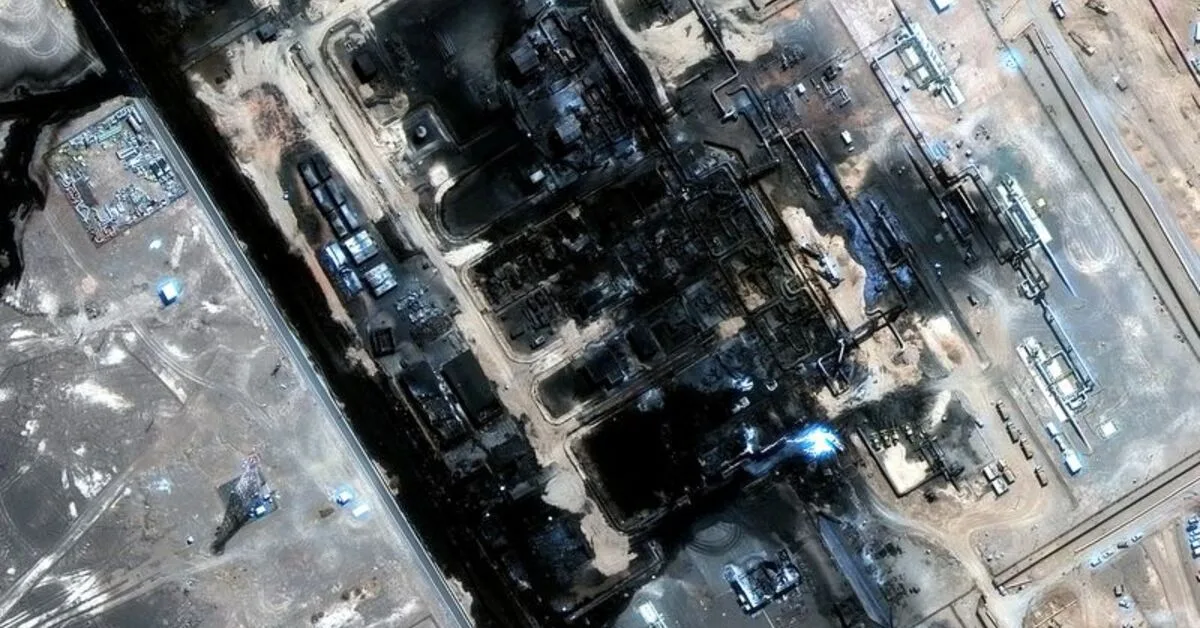
The East-West pipeline in Saudi Arabia is recognized as one of the most important alternative routes for transporting oil to the Red Sea and bypassing the Strait of Hormuz. The recent attack on this pipeline has put new pressure on Saudi Arabia's export capacity, and it seems that this issue is related to Riyadh's request to postpone the meeting.
Consequences and Concerns
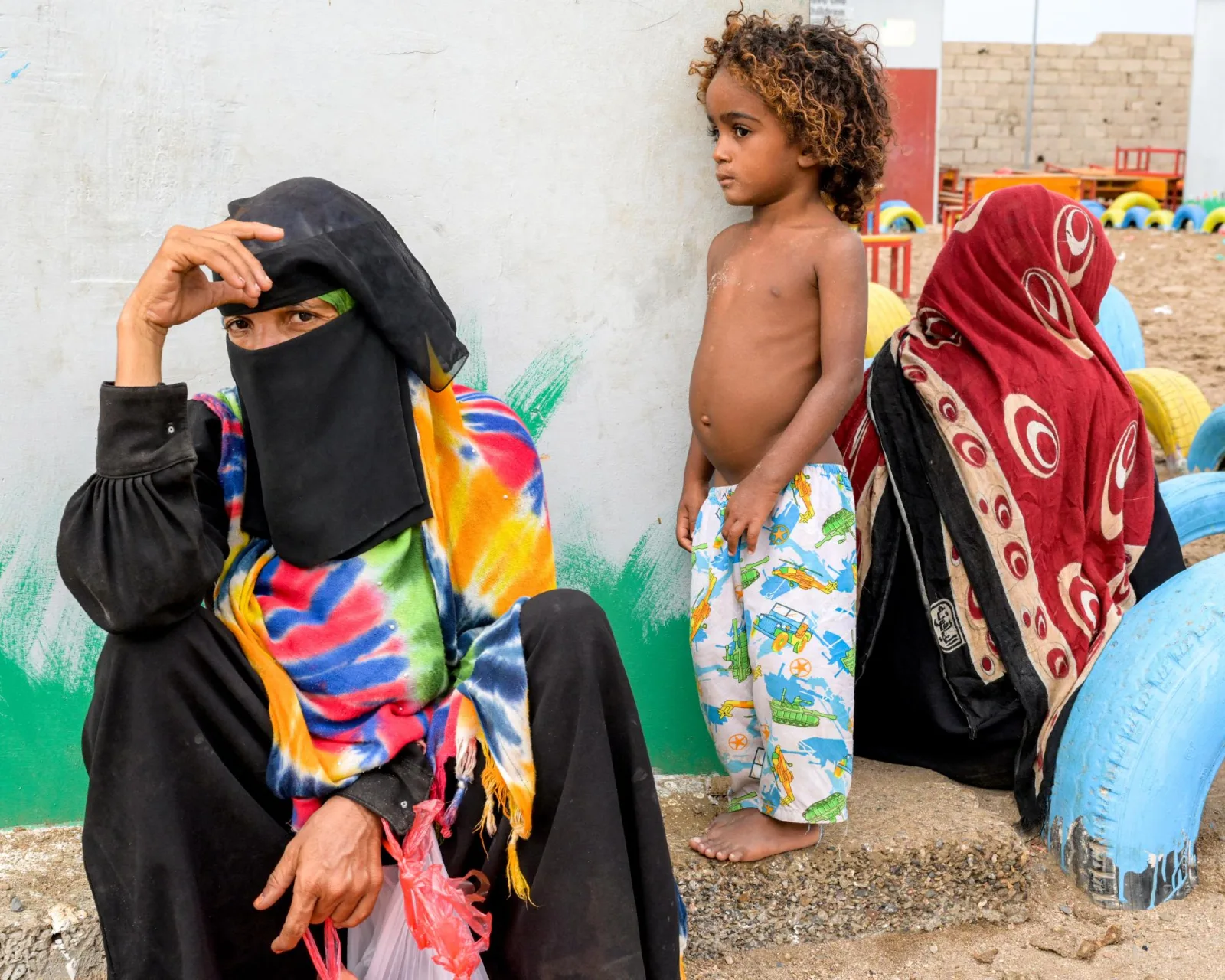
The Yemen issue also holds special significance in this postponement. Some unofficial sources have pointed out that one of Tehran's conditions for reopening the Strait of Hormuz was the end of the blockade and pressure on Yemen. Some reports also suggest that Saudi Arabia has informally shown more flexibility regarding the necessity to end the current situation in Yemen.
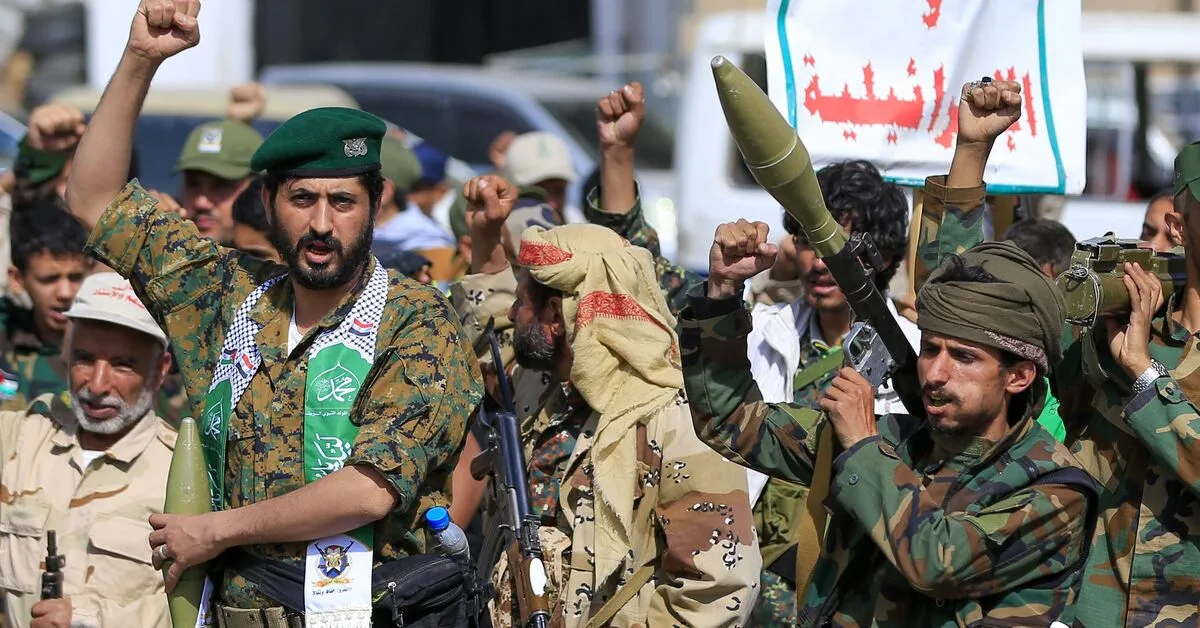
Recent developments in Yemen and the attacks by Ansar Allah on Saudi targets are directly linked to Saudi Arabia's energy security. Ansar Allah has recently increased its attacks on Saudi targets and, while advancing along the Red Sea coast and controlling Bab al-Mandab, has exerted more pressure on Saudi Arabia's vital oil export routes. This situation may be related to the postponement of the Salalah meeting and Saudi Arabia's request for changes to the relevant proposals.
Read more: Saudi Arabia activated an emergency alert in Mecca · Oman achieved a 43% increase in the number of hotels to 1,475 units