The Gulf Arab states are in a difficult situation as they face military threats and the vulnerability of their energy infrastructure. These countries, hosting U.S. military bases and having experienced missile and drone attacks in recent months, are concerned about the return of conflicts.
Turbulence in U.S. Policies
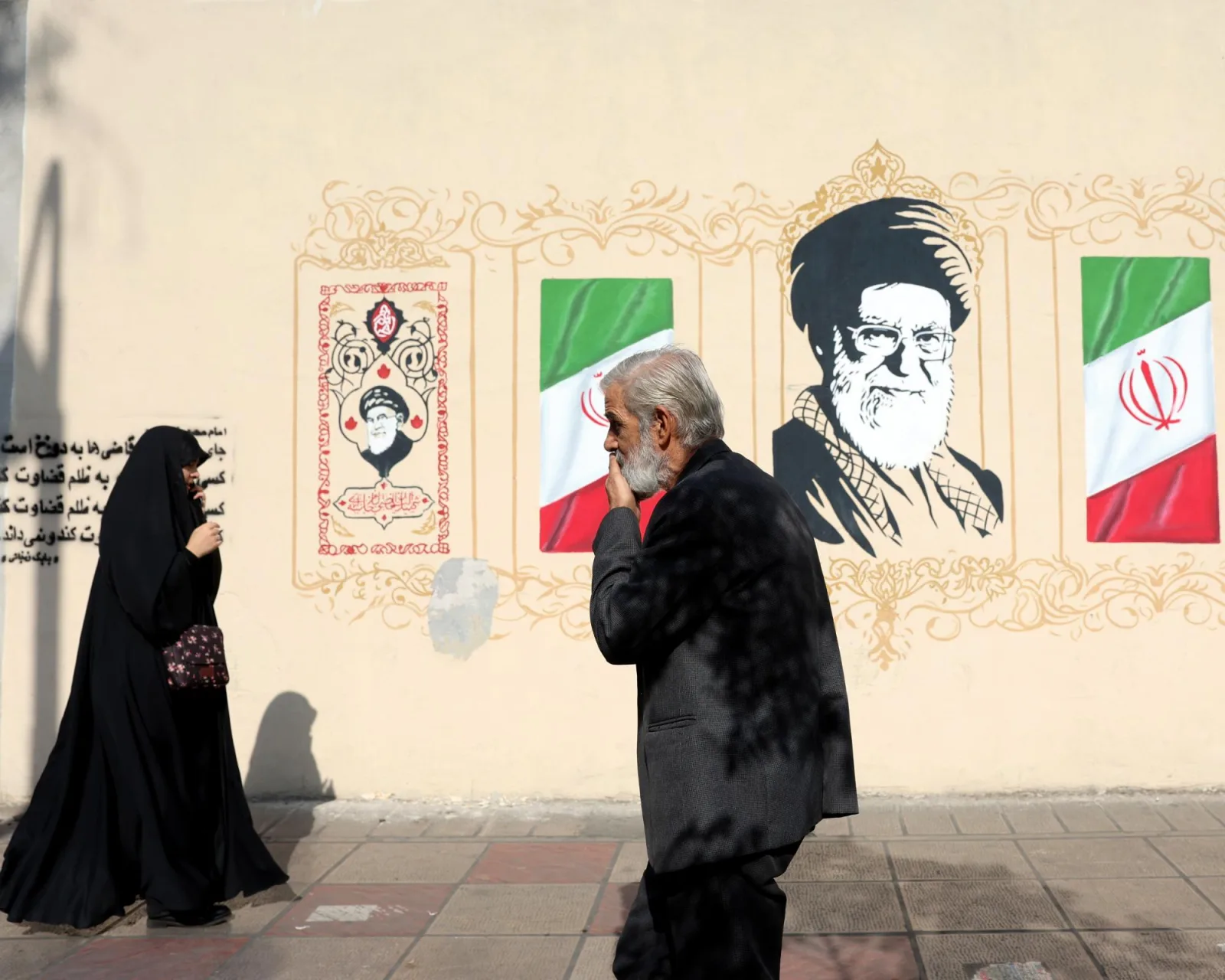
One of the factors exacerbating the concerns of the countries in the region is the uncertainty surrounding Donald Trump's final decision regarding Iran. The U.S. President continues to oscillate between reaching an agreement and the possibility of resuming military operations. Within the U.S. government, there are also disagreements on how to confront Tehran. Some officials support the path of agreement and negotiation, while others emphasize a military approach.
Read more: Kuwait Emphasizes the Need to End Threats Against Navigation in Hormuz and Bab al-Mandab
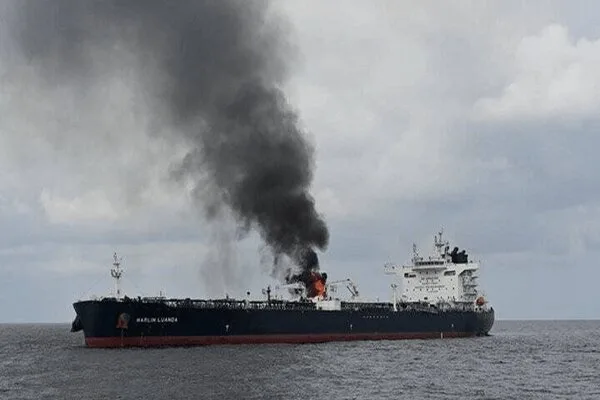
This situation is alarming for the Arab countries in the region; any new U.S. attack on Iran could expose Washington's military bases in neighboring countries to retaliatory responses from Tehran. Bahrain, as the host of the U.S. Fifth Fleet, was targeted by hundreds of Iranian missiles and drones in earlier stages of the war and continues to face the aftermath of the damage from these attacks.
Diplomacy as a Solution
In such circumstances, some Gulf states have attempted to prevent the return of conflicts through diplomatic initiatives. The UAE has emphasized the necessity of intensifying political efforts and finding a diplomatic solution. Oman has also proposed forming a regional security pact involving Iran and Iraq. The Omani Foreign Minister has warned that confronting Iran and excluding it from regional security arrangements would incur heavy costs for all countries in the region.
However, increasing military purchases alone cannot alleviate these countries' security concerns. The lack of missile interception systems and limited defensive capabilities remain one of the weaknesses of the regional countries.
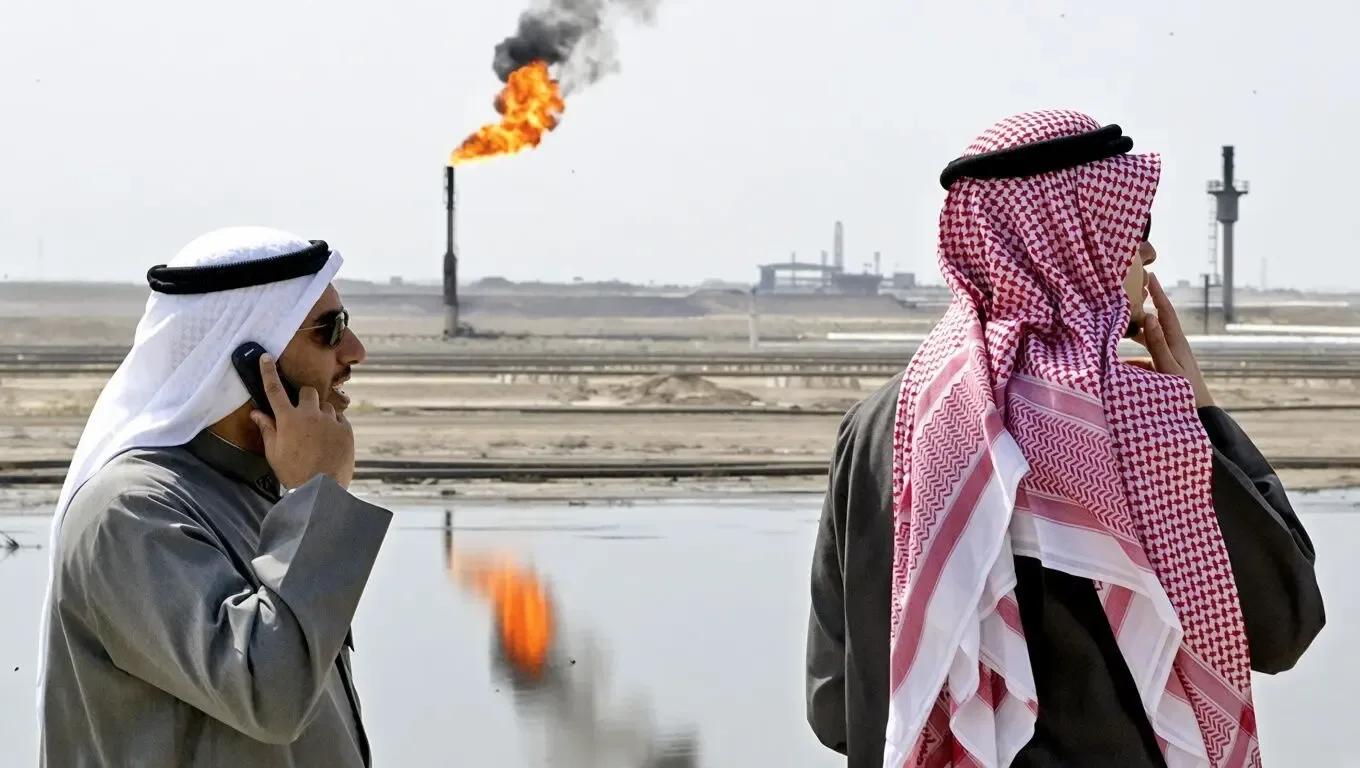
Analysts warn that the return of war could weaken the position of Gulf oil producers in the global market and transfer part of their market share to other energy suppliers. From this perspective, an agreement based on verifiable limitations on Iran's uranium enrichment could be a less costly alternative to war.
Read more: Threat to Internet Cables in the Strait of Hormuz and the Risk of $250 Billion Investment in the Gulf · Sultan of Oman Praised the President of Algeria on the National Day of That Country