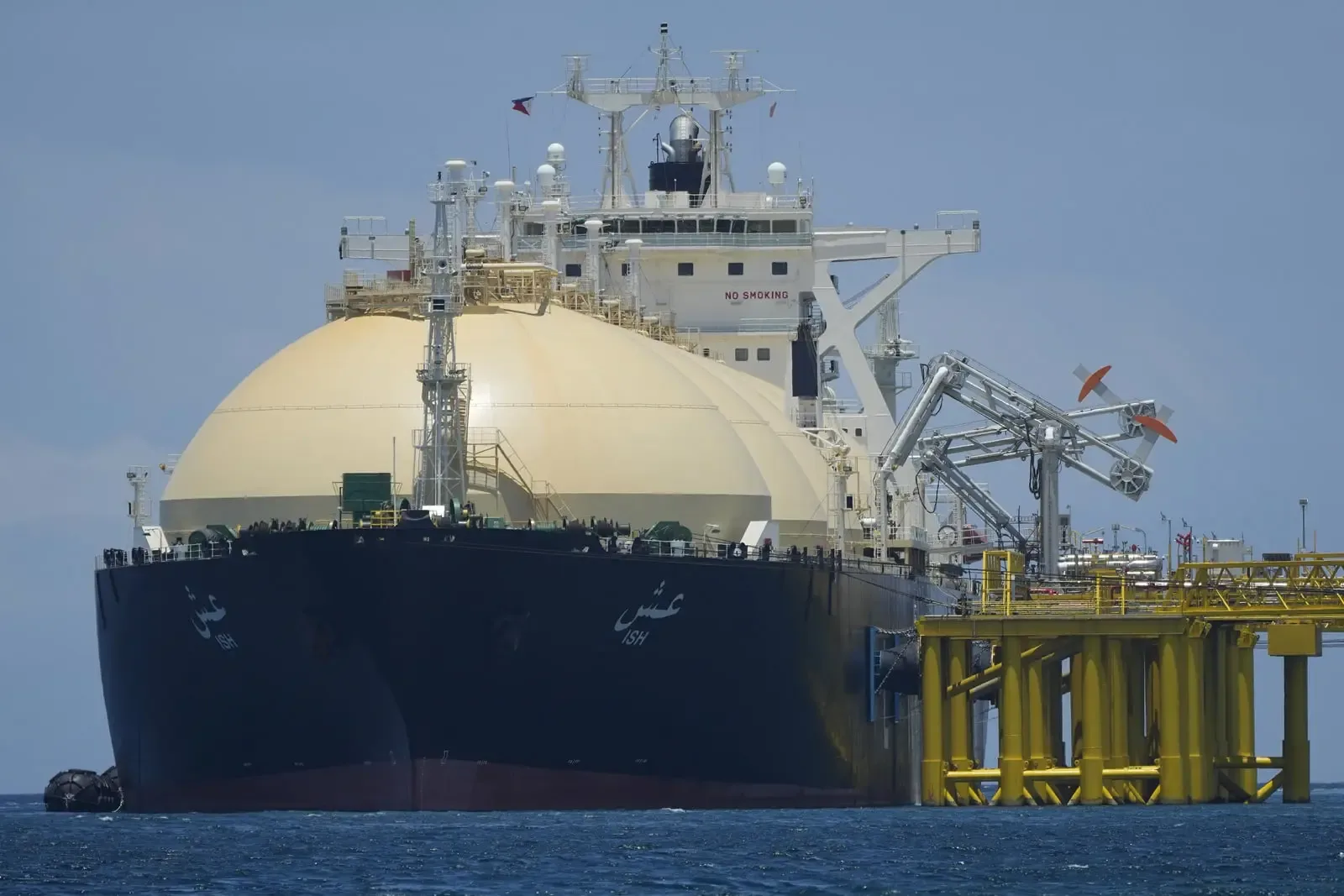
Qatar, with its aging fleet and challenges arising from the war in the Gulf, managed to revive its liquefied gas exports using the 29-year-old Al-Rayan tanker. This tanker, as a temporary solution, was able to navigate the Strait of Hormuz without using lights or a transmitter, relying on security guarantees from the U.S. Navy, and reached the port of Sohar in Oman.
Challenges of Qatar's Gas Exports
Six months into the war, Qatar found itself in a serious deadlock. The impact of a projectile hitting a Qatari tanker outside the Strait of Hormuz halted the country's limited gas exports and increased pressure from buyers for energy needs. QatarEnergy's managers managed the export crisis by choosing the Al-Rayan tanker and transferring the liquefied gas shipment to the modern Al-Masahbiya vessel to head to China.
Read more: Tehran Stock Exchange Index Growth on October 13, 2023
Analysis of Current and Future Export Status
The International Monetary Fund has predicted a 15.6% economic contraction for Qatar this year. The country's exports have also decreased by about 90% from April to September compared to the same period last year. Meanwhile, U.S. gas is gradually replacing Qatari shipments in markets like India and China. Before the war, Qatar had never declared a force majeure, which allowed it to demand special prices and conditions.
After the successful first passage of the Al-Rayan tanker, about 20 tankers carrying Qatari gas exited the Strait of Hormuz over four weeks, and delivery volumes reached 30% of pre-war levels by the end of September. This revival occurred unexpectedly for customers. Peter Clarke from ExxonMobil described Qatar as the "cornerstone of the world's energy security," yet attacks on tankers continue, and security threats are rapidly reducing the safe passage of vessels.
To mobilize its fleet, QatarEnergy initially recalled the ships it had chartered in the early months of the war. A shortage of vessels and crew supply were also among the existing challenges. Countries like the Philippines opposed sending their citizens to the Strait of Hormuz, prompting QatarEnergy to seek alternative manpower from Indonesia.
Amid these challenges, Qatar is seeking to become a major trader in the global gas market. The commercial arm affiliated with QatarEnergy, named QET, has accelerated the purchase of U.S. LNG and is taking actions to compensate for supply shortages and also to sell profitably. QatarEnergy is also negotiating to purchase several million tons of gas annually from Louisiana and Texas projects.
Saad Al-Kaabi, Qatar's Minister of Energy and CEO of QatarEnergy, stated: "We will soon be the largest liquefied gas trader in the world, by a wide margin." This statement indicates that Qatar is striving to expand its role from a domestic production-dependent exporter to a seller with diversified supply sources.
Read more: Saudi Arabia Faces Economic Decline · Oman Conducted Rescue Operations for 10 Sailors After Attack on Tanker