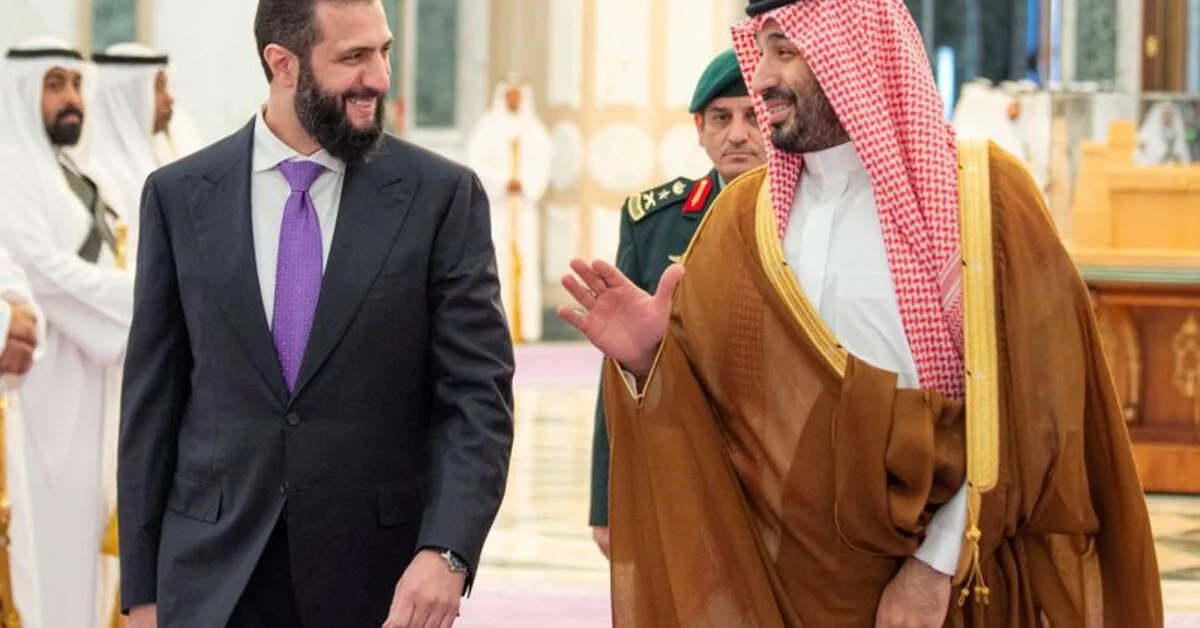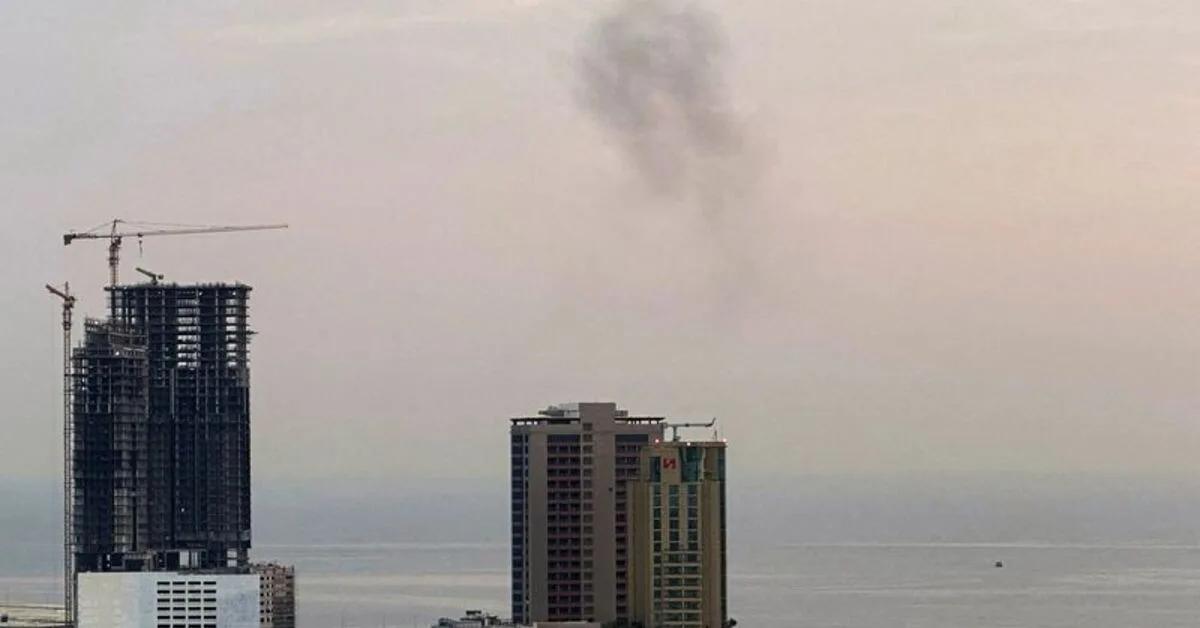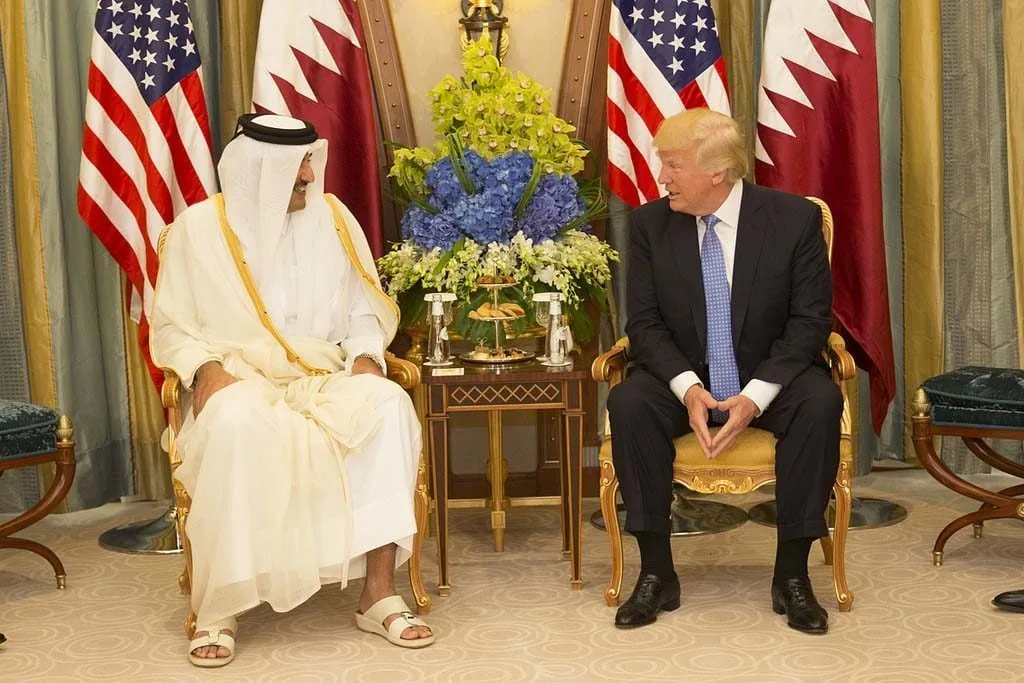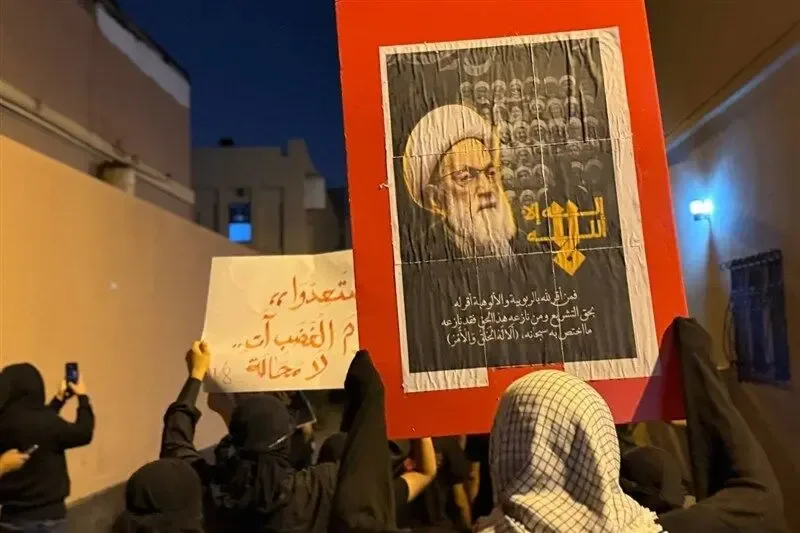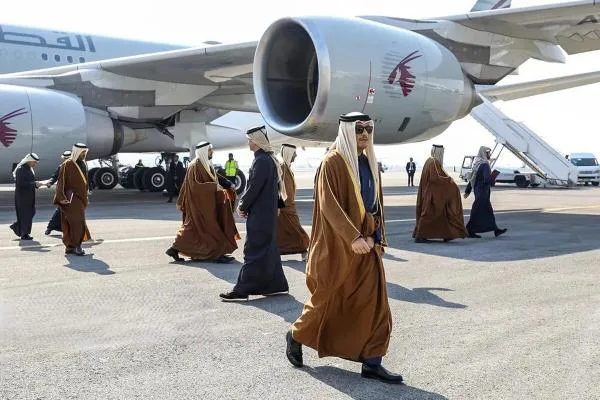
The two-day plan presented by Qatari mediators to reduce tensions between Iran and the U.S. has examined the next diplomatic steps in this regard. In this context, Abbas Araqchi, Iran's Foreign Minister, has spoken several times with representatives of regional countries. Representatives from Qatar, Saudi Arabia, Turkey, the United Arab Emirates, Oman, and Egypt have played a role as mediators in these talks.
Contents of Qatar's Proposed Plan
Qatari mediators are continuously consulting with Iran and the White House about a proposed text aimed at creating mutual trust and laying the groundwork for a broader agreement. According to this plan, the U.S. will initially lift the maritime blockade on Iran and release part of Iran's frozen assets. In return, Iran will officially invite the International Atomic Energy Agency to allow its inspectors to visit the nuclear facilities that have been bombed in the past.
Read more: Annual Ceremony of the Royal Guard of Oman chaired by HH Sayyid Balarab
Possible Consequences and Next Steps
These visits are based on an agreement signed a year ago in Cairo. On the second day of this plan, the Strait of Hormuz is set to reopen, and after this reopening, nuclear negotiations between the two sides will resume. The focus of these negotiations relates to Iran's high-enriched uranium stockpile, which has always been a sensitive point in nuclear negotiations.
The development and progress of these negotiations could have profound impacts on regional and international relations. Given the recent tensions, the success of this plan may lead to a reduction in tensions and an increase in regional cooperation. Therefore, paying attention to this diplomatic process and its outcomes is significant for regional countries and the international community.
Read more: Turki Al-Faisal: Security threats from Iran and Israel in the Persian Gulf · Turkey: A soldier killed at the border with Iran