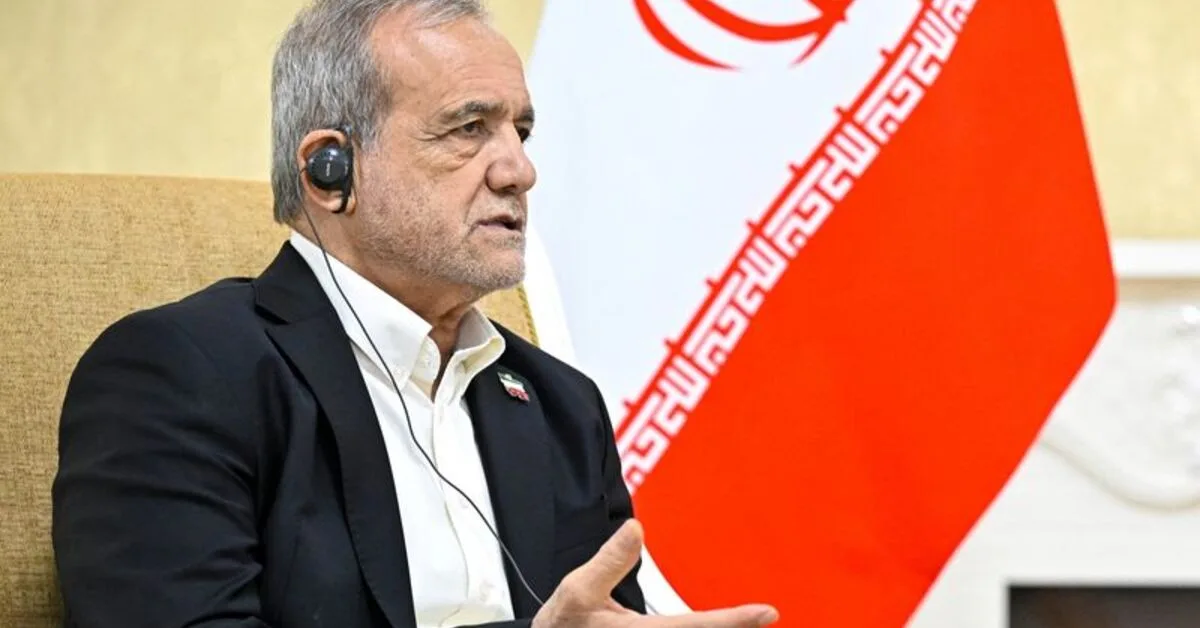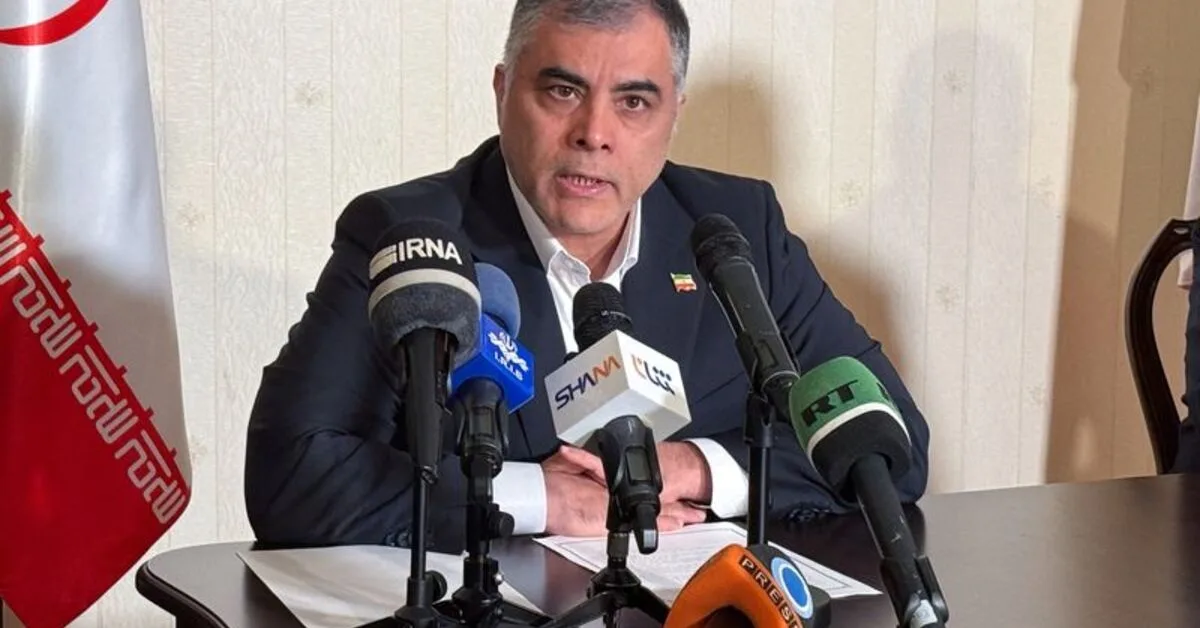
Mohsen Paknejad, Iran's Oil Minister, has announced his resignation in a significant change, while Hamid Bord, the CEO of the National Iranian Oil Company, has been appointed as the new acting head of the Ministry of Oil. This news has been reported by state media, and no reason for Paknejad's resignation has been mentioned.
History of Iran's Ministry of Oil
Mohsen Paknejad has been serving as Iran's Oil Minister since August 2024 and has faced multiple challenges during his tenure. He resigned at a time when the country is grappling with economic pressures stemming from a seven-month war with the United States. Sanctions and international restrictions have profoundly impacted the oil industry and Iran's economy, making this one of the government's main challenges.
Read more: Seyed Javad Hosseini: Iran is among the top 5 countries in the world in aging growth
Consequences of the Oil Minister's Resignation
Paknejad's resignation could have significant implications for Iran's oil industry. As the country is heavily reliant on oil revenues, any change in the leadership of the Ministry of Oil could affect decision-making processes and oil policies. Given that Bord has been appointed as the new acting head, he is expected to strive to continue previous policies while facing new challenges.
Before his resignation, Paknejad stated, "The oil revenues we have sold are still ongoing, and God willing, they will continue." These remarks reflect his hope for the continuity of oil revenues in difficult economic conditions. However, the future of Iran's oil industry heavily depends on the management and new policy-making approaches.
In the meantime, Bord's appointment as the new acting head indicates the government's efforts to maintain stability in the Ministry of Oil and continue ongoing activities in this sector. Bord, who has extensive experience in oil industry management, must confront the current economic and political challenges facing the country.
It seems that this change in the leadership of the Ministry of Oil, especially under current conditions where external and internal pressures on Iran's economy have increased, is a strategic move by the government. Given recent developments, this ministry must quickly respond to existing needs and challenges to improve the country's economic situation.
Read more: New U.S. sanctions against Iran's automotive and rail sectors · Pemex in a new crisis: oil spill in the Gulf of Mexico