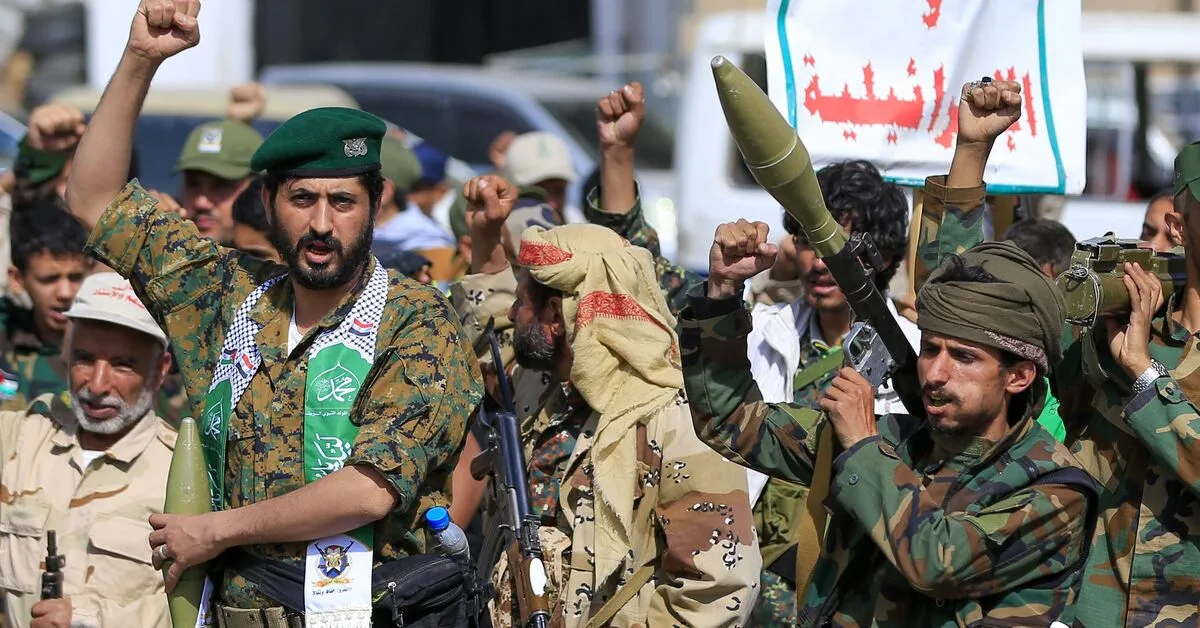
Saudi Arabia, by adopting a policy known as balanced deterrence, is attempting to engage diplomatically with its enemies while continuing its alliance with the United States. However, this approach has reached a deadlock following continuous attacks from Iran and its allied Houthis in the Red Sea and Shiite militia groups in Iraq.
How Saudi Diplomacy Has Failed
Saudi Arabia recently made a sudden withdrawal from participating in a meeting scheduled for Monday in Salalah, Oman, between Iran, the Gulf Arab states, and Iraq. The aim of this meeting was to discuss the details of an agreement facilitated by Oman between Iran and the Gulf Arab states to ensure the safe passage of ships through the Strait of Hormuz. This strait has been the main route for oil exports from the Gulf states and Iraq before it was blocked by Iran.
Read more: Sultanate of Oman: Postponement of the scheduled regional meeting in Salalah
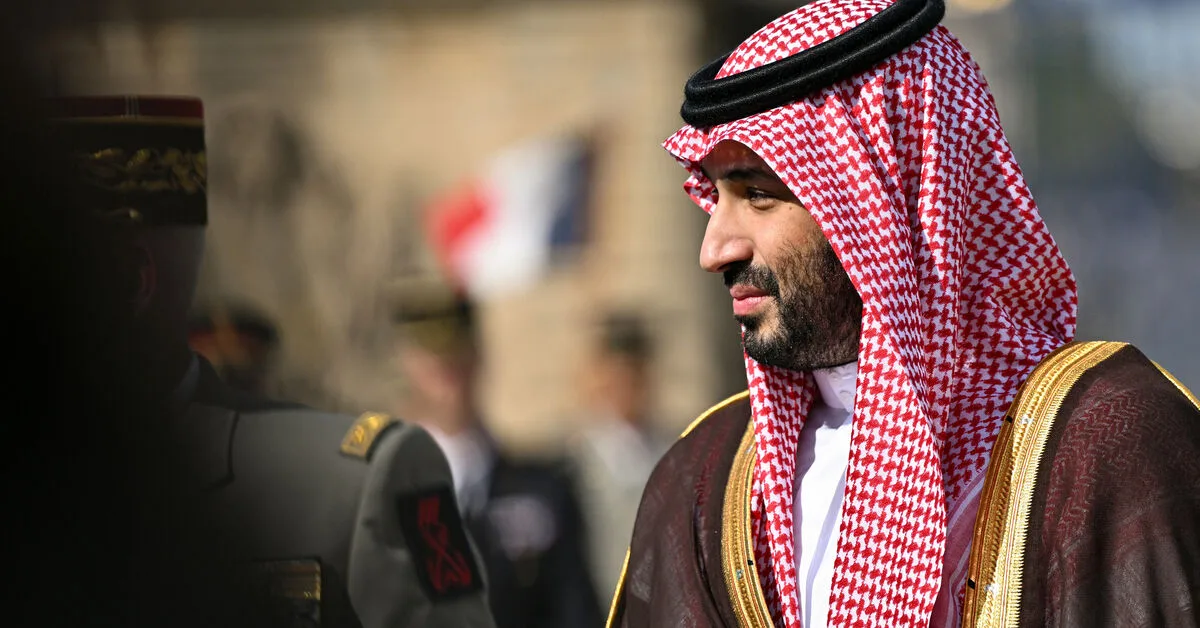
Mohammed bin Salman, the Crown Prince of Saudi Arabia, had discussed this agreement during a meeting on September 1 with Haitham bin Tariq, the Sultan of Oman. However, officials cited the United States' reluctance to decisively intervene in support of Saudi Arabia and Iranian pressures as the main reasons for not attending this meeting.
Security and Political Consequences
Saudi Arabia withdrew from the meeting after rejecting Iran's claim that the Strait of Hormuz is not an international waterway. Government officials in the region believe that pressure from the Trump administration also influenced this decision. Brigadier General Cooper, the senior U.S. commander in the Middle East, met with the Saudi Crown Prince on Monday, and it is possible that he was present at the time of Saudi Arabia's withdrawal from the Salalah meeting.
Cooper's visit, along with the deployment of American military advisors and promises of continued intelligence support, is aimed at preventing an independent agreement between Saudi Arabia and other Gulf states with Iran regarding the Strait of Hormuz. However, how long can this strategy continue?
Danny Citrinowicz, a senior researcher in the Iran and Shiite Axis program at the Institute for National Security Studies in Tel Aviv, says: "Saudi Arabia is trying to maintain its relations with both sides. Therefore, their absence from the Salalah meeting does not mean a lack of change in the future." He adds that Saudi Arabia ultimately must choose whether to seek a local solution or fully align with the United States.
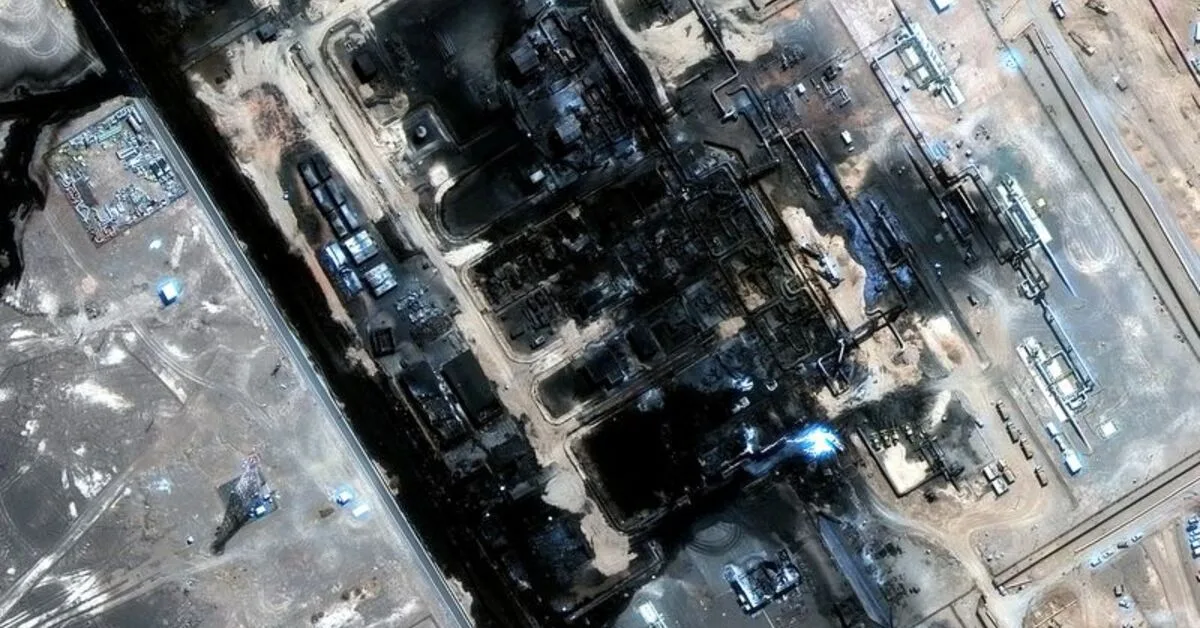
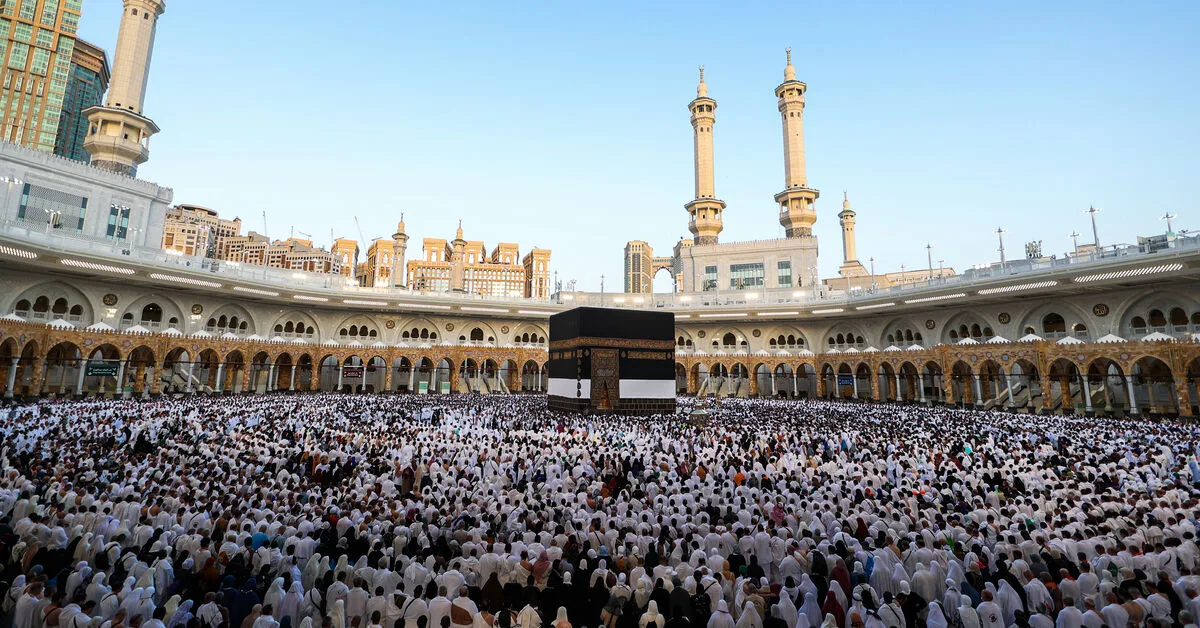
Moreover, the conditions have arisen for Saudi Arabia that even if temporary agreements regarding the Strait of Hormuz are reached, there is no guarantee that the Houthis will cease their attacks. This is particularly concerning given that the Houthis continue their attacks around the holy cities of Mecca and Jeddah.
Saudi Arabia cannot indefinitely rely on this policy. Even after the midterm elections in November, the United States is unlikely to resort to decisive military action, such as a ground attack, which could shift the balance in favor of Iran. A more likely scenario is a prolonged economic war that will gradually increase the vulnerabilities of Gulf allies.
The lack of unity among Gulf states also adds to this dilemma. Bahrain was the first country to announce that it would not attend the Salalah meeting due to the lack of diplomatic relations with Iran. Michael Ratney, the last American ambassador to Saudi Arabia, believes that U.S. pressure did not play a central role in Saudi Arabia's decision to cancel this meeting.
Given this situation, it seems that the parties will eventually come to the negotiating table. However, any agreement will not naturally favor the Americans or the Gulf states.
Read more: Salalah Oman negotiations and efforts to reopen the Strait of Hormuz · Bahrain: Transit through the Strait of Hormuz should be without tariffs