Saudi Arabia has engaged in extensive airstrikes on Yemen, continuing the conflict in the country. Meanwhile, the Houthis, who are backed by Iran, have expanded Tehran's influence in the Middle East war with their rapid advancements along Yemen's coasts, while also creating negative impacts on global oil supply.
Escalation of Conflicts and Increased Security Threats
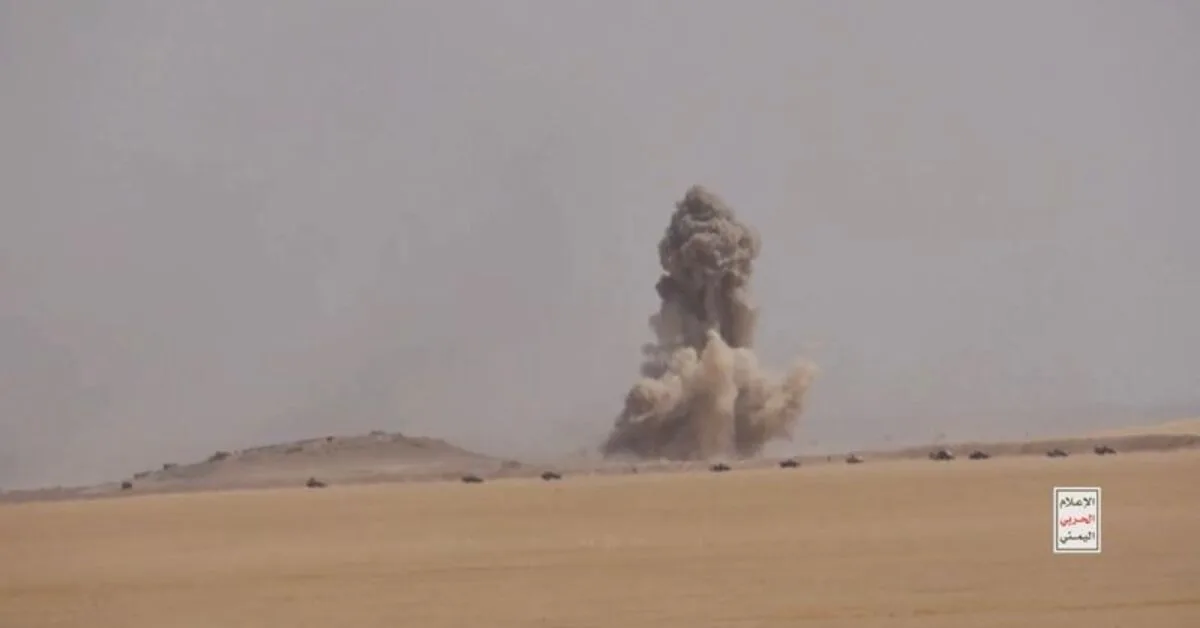
The Houthis have been rapidly capturing Yemeni cities along the Red Sea coast and islands in the Bab al-Mandab Strait since last week. This military group has released battlefield footage showing Houthi forces seizing armored vehicles from Saudi-backed forces. Meanwhile, fighter jets have been flying overhead, and massive explosions have erupted from desert hills into the sky.
Read more: Cost estimate of U.S. and Iran conflicts reaches $38 billion
The Houthi military spokesperson, Yahya Sari, has announced that the group has shot down a Saudi F-15 fighter jet, but no evidence has been provided to confirm this claim, and Saudi officials have not responded to emailed requests for comment.
Economic Consequences and Impact on Global Energy Markets
These conflicts increase the risk of global energy supply shortages, especially as the six-month war between the United States and Israel against Iran has disrupted shipping through the Strait of Hormuz. Brent crude oil prices have approached around $108 per barrel, and the average retail price of diesel fuel in the United States has risen above $6.30 per gallon.
Traders warn that if Saudi Arabia's East-West pipeline operations are halted for an extended period, up to 4% of global oil supply could be cut off. Although Saudi Arabia has not yet specified when operations will resume, U.S. Energy Secretary Chris Wright has stated that crude oil should flow through this pipeline within a few days.
Saudi Arabia's Role and Diplomatic Developments
Since 2015, Saudi Arabia has led a coalition to fight against the Houthis, and in recent years, these conflicts have been under a relative ceasefire. However, with the Houthis announcing a maritime blockade against Saudi Arabia in July and firing on southern regions of the country, hostilities have reignited. This month, violence has significantly increased, and the Houthis have pushed back Yemeni government forces that are backed by Saudi Arabia.
Saudi Crown Prince Mohammed bin Salman contacted U.S. President Donald Trump last week and requested military assistance. So far, this assistance has been limited to intelligence. The U.S. attacked the Houthis for two months, but after an agreement that President Trump described as a ceasefire, this campaign was halted.
Now Trump faces a dilemma: should he stand against the Houthis' advancements and accept the risk of escalating the global energy crisis, or provide more military support to Saudi Arabia and accept the risk of expanding the costly U.S. intervention to another front?
Read more: Wesley Hunt appointed as the new U.S. ambassador to Saudi Arabia · Oman’s energy minister: The Strait of Hormuz will reopen