Saudi Arabia, the state oil giant of the country, has recently reduced its crude oil exports to European customers for the months of September and October. This action comes as Saudi Arabia's energy trade routes are under pressure from Middle Eastern conflicts.
Halting Exports to Two European Refineries
According to industry sources, Saudi Arabia has halted crude oil exports to at least two European refineries for next month due to the closure of the East-West pipeline. This pipeline, also known as the Petroline, was damaged as a result of a drone attack last week, and Saudi officials were forced to shut it down for repairs. Saudi officials have stated that the attack originated from Iraq, where Iran-affiliated groups are based.
Read more: Ongoing Efforts to Empower Rural Women Economically in Oman
Impact on Crude Oil Exports
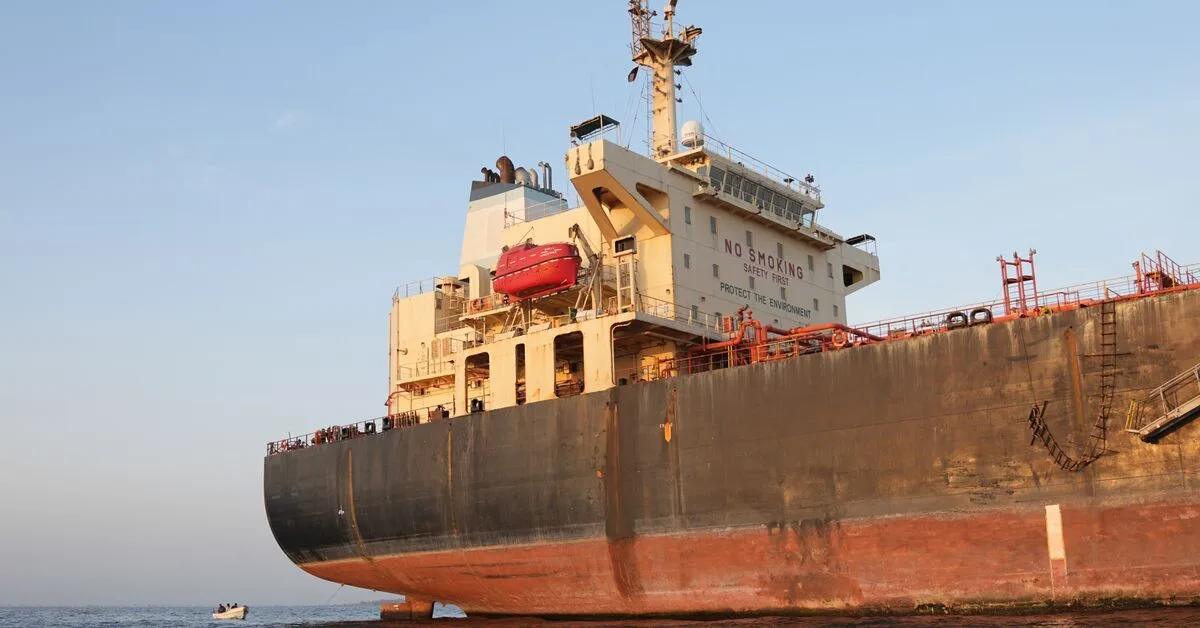
The Petroline served as a vital export route amid existing disruptions in the Strait of Hormuz, transferring between 4 to 5 million barrels of crude oil daily from Ras Tanura to Yanbu. With no access to this pipeline, Saudi Arabia has turned to increasing supply to Asian buyers. According to received information, the country is currently selling about 60 million barrels of crude oil for shipment from Ras Tanura through the Strait of Hormuz to the Port of Sohar in Oman. These shipments will be transferred to other tankers this month and next month.
This shift in Saudi Arabia's export policy reflects the country's efforts to maintain Asian markets and meet the needs of the region. Especially as tensions in the Middle East have significantly increased and the security of trade routes has been affected, the country is seeking to strengthen its trade relations with Asian buyers.
Future Outlook
Analysts believe that this decision could have significant impacts on global oil markets. The reduction in supply to Europe alongside increased demand in Asia may lead to fluctuations in oil prices in global markets. Additionally, this situation may indicate strategic changes in Saudi Arabia's energy policies, which aim to strengthen its position in new markets and reduce dependence on traditional European customers.
In these circumstances, Saudi Arabia will continue to remain one of the main players in the global oil market, and changes in its trade routes could help enhance the country's position on the international stage.
Read more: Reduction of India's Current Account Deficit to $7 Billion in July 2026 · Yemen Developments and New Challenges for Saudi Arabia