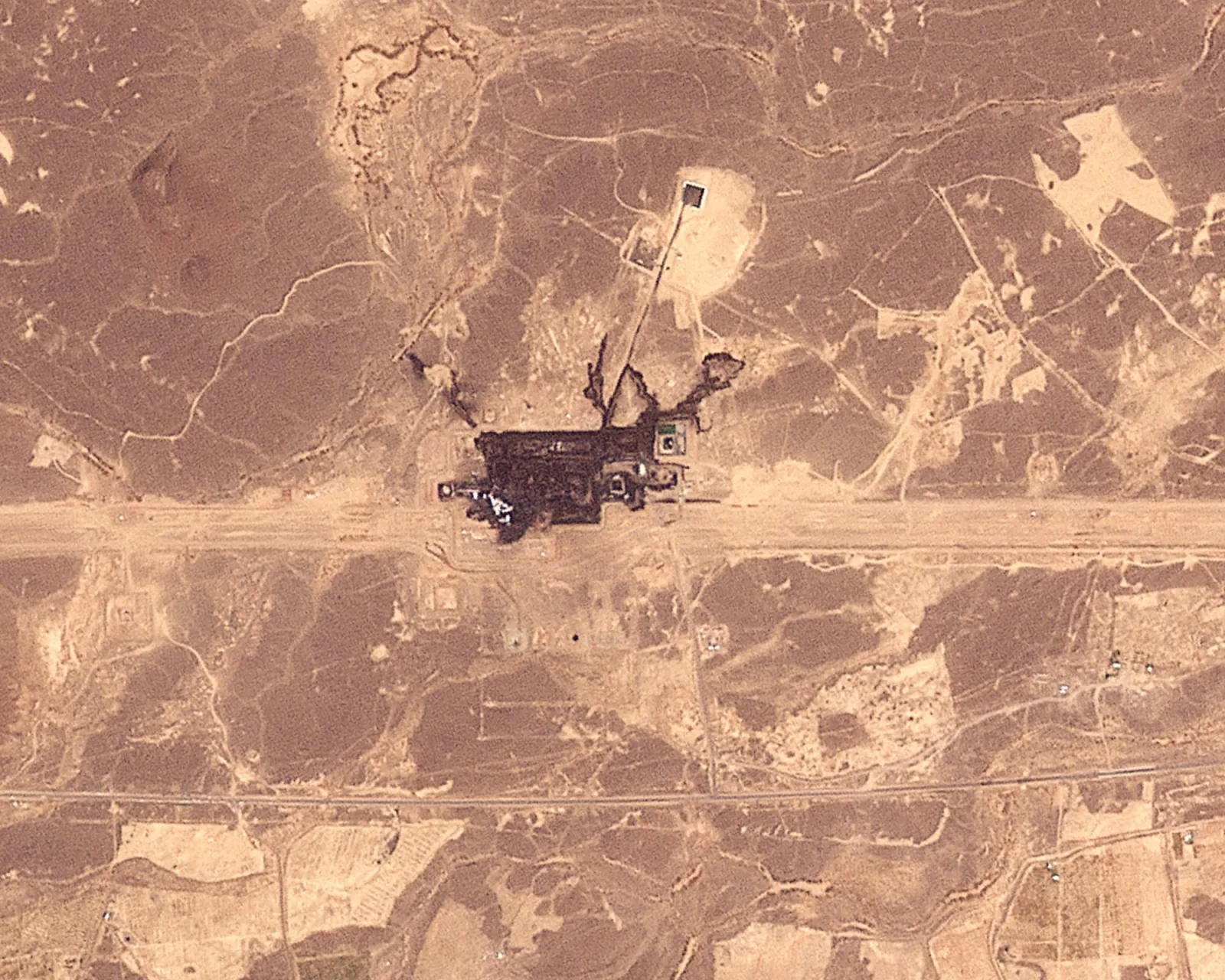
Following the increase in tensions in the Middle East, Saudi Arabia has decided to temporarily shut down one of its key oil pipelines. This pipeline, which serves as a route through the Strait of Hormuz, has been affected by drone attacks from Iraqi territory.
Increased Use of the East-West Pipeline
Since the outbreak of war in the Middle East, Saudi Arabia has increased the use of the East-West pipeline. This pipeline connects Abqaiq, near the Persian Gulf, to the port of Yanbu on the Red Sea. Given the closure of the Strait of Hormuz due to threats from Iran, this pipeline has become a vital route for oil exports.
This temporary shutdown due to recent drone attacks has once again raised concerns about energy supply security in the region. Saudi Arabia, which is considered one of the largest oil producers in the world, is seeking to maintain its export flow, and it seems that these actions reflect serious efforts to counter external threats.
Global Implications
The shutdown of this oil pipeline will not only impact the Saudi economy but could also directly affect the global oil market and prices. Analysts believe that with the rising tensions in the region, oil prices may increase rapidly, and the effects will be felt globally. By making this decision, Saudi Arabia demonstrates that it prioritizes its security and intends to defend its national interests with all its might.
In the current situation, monitoring regional developments and Saudi Arabia's responses, particularly regarding energy security, is of great importance. Will this temporary shutdown mark the beginning of a shift in Saudi oil policies? Time will tell.