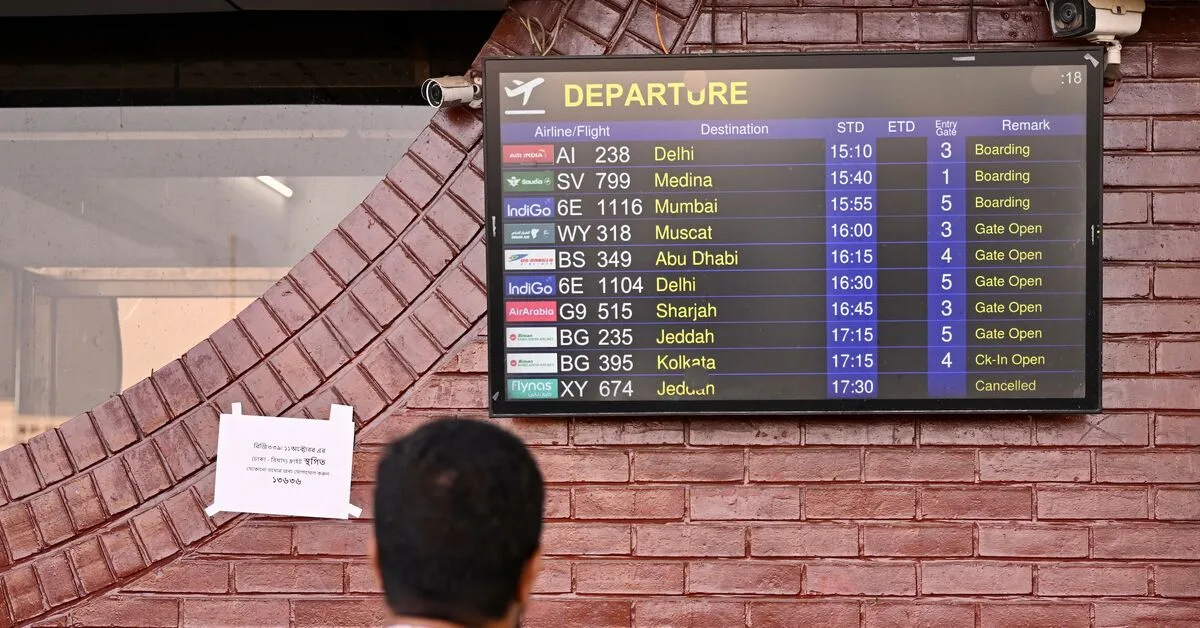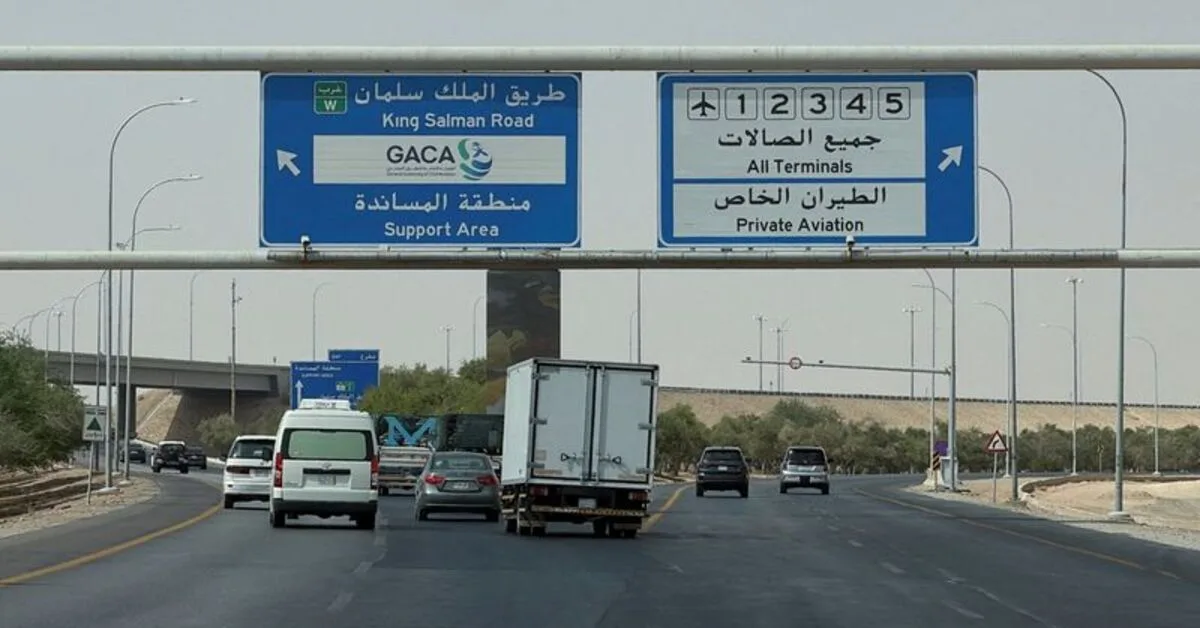
The Saudi-led military coalition in Yemen announced that the Houthi group is attempting to attack dozens of Saudi airports, ports, and oil facilities. These statements come in the wake of increased clashes between this group and Saudi Arabia.
Escalation of Houthi attacks on Saudi infrastructure
The Houthi group has been launching missiles and ballistic drones at key Saudi facilities for a week. The Saudi coalition views these attacks as a response to Saudi support for government forces in the Yemeni civil war. Coalition spokesman Turki al-Maliki announced at a press conference that the Houthis have conducted 20 attacks on King Khalid International Airport in Riyadh this month, resulting in 17 deaths and 333 injuries.
Read more: Ali Faleh Al-Zaydi traveled to Riyadh
Casualties and infrastructure damage from the attacks
King Khalid Airport, one of the main hubs for international flights in Saudi Arabia, has been targeted among civilian infrastructure in these attacks. Additionally, Houthi attacks on Abha Airport in southwestern Saudi Arabia, near the Yemeni border, have resulted in three deaths and 28 injuries. Al-Maliki also noted that the Houthis have gained access to advanced military technology, including ballistic missiles, drones, and speedboats carrying explosives, with the help of regional actors.
He urged the Houthis to immediately cease their operations against civilians and civilian infrastructure and emphasized the need for precision in studying the coalition's statements.
Following the coalition's statement, the military spokesman for the Houthis declared that Saudi airspace and airports are unsafe and warned airlines, while the airspace over the holy cities of Mecca and Medina is exempted.
Yemen has been embroiled in war and conflict since 2014, when the Houthis seized the capital, Sana'a, and faced Saudi military intervention in 2015. A UN-mediated ceasefire in 2022 largely led to a halt in major hostilities, and an unofficial ceasefire continued even after its expiration six months later. However, efforts to turn this situation into a sustainable political agreement have stalled due to escalating regional tensions.
Read more: Bahrain and Qatar at risk of internet disruption due to cut Hormuz cables · Sheikh Ali Hamad Al-Kalbani discussed ways to strengthen trade exchange in the Oman and Saudi commercial council