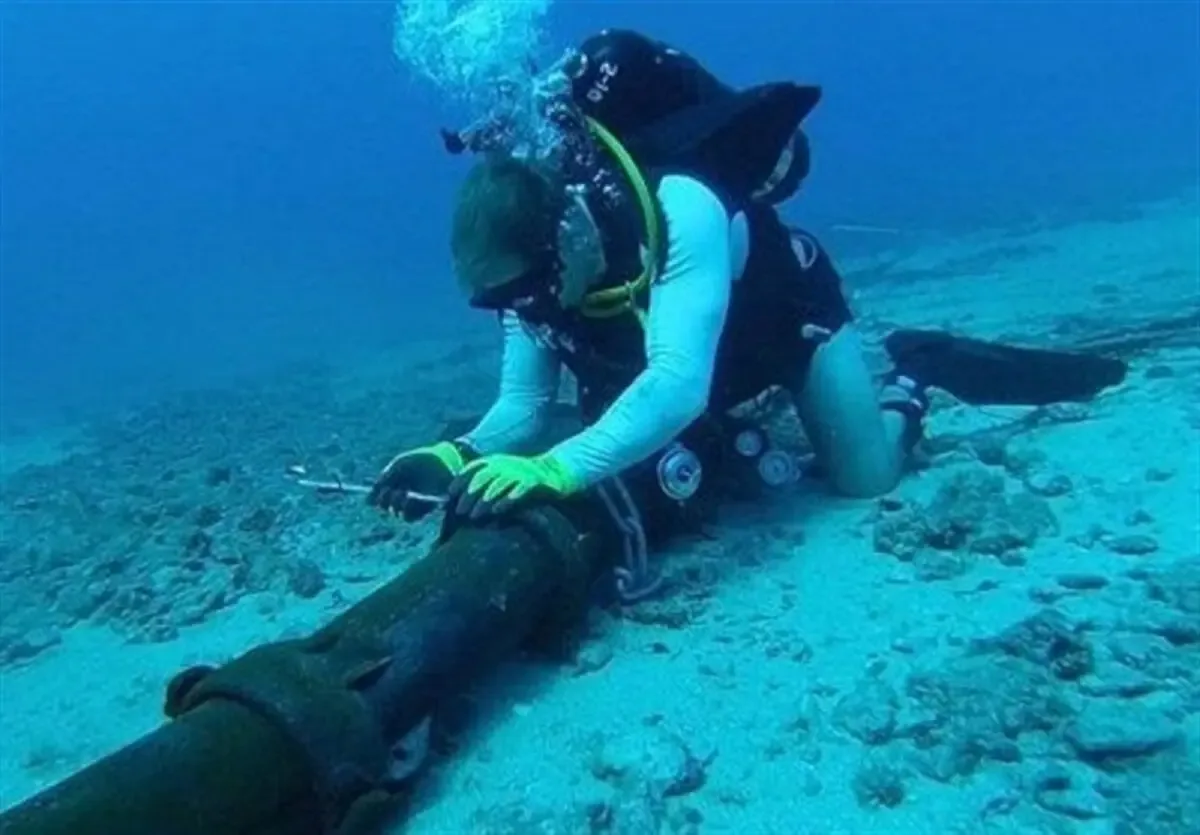
Bahrain and Qatar are at serious risk of internet disruption due to their high dependence on submarine cables in the Strait of Hormuz. These cables, which act as the backbone connecting the Gulf countries to the global internet network, play a key role in providing internet bandwidth for these countries. According to data from TeleGeography, Qatar sources 99% and Bahrain 95% of their international internet connectivity through these cables.
Impact of Cable Cuts on Economy and Communications
In the event of widespread damage to these infrastructures, it is predicted that 70 to 90 percent of the internet in the Arab Gulf countries could be disrupted. This disruption could lead to severe slowdowns in e-commerce, banking, and international financial services. Bahrain, which directly relies on the cables passing through the region, is currently investing to diversify its connectivity routes. The country has joined the SEA-ME-WE 6 cable consortium and is also constructing a regional cable, Al Khaleej, which is 1,400 kilometers long.
Read more: Dialogue between the Foreign Ministers of Iran and Oman on Regional Developments
However, these projects alone cannot meet Bahrain and Qatar's need for international internet connectivity in critical conditions. A key part of these cables must pass through the Strait of Hormuz, and currently, Bahrain and Qatar face serious challenges due to military and geographical risks.
Available Solutions and Their Limitations
Qatar is also connected to the global network through at least six active submarine cable systems. The most important of these systems is the GBICS cable, which connects the country to other regional countries. Nevertheless, Ooredoo is developing the Fibre in the Gulf (FIG) project, which is set to connect Oman to Iraq and then to Europe; however, this project is also dependent on the Strait of Hormuz, and the CEO of Ooredoo has acknowledged that they cannot bring cable-laying ships into Hormuz.
In recent years, Starlink satellite internet service has also received permission to operate in Bahrain and Qatar. However, these services cannot serve as a suitable replacement for submarine cables. According to the Qatar Communications Regulatory Authority, satellite services, due to limited capacity and higher latency compared to fixed broadband services, cannot act as a primary alternative.
Given the existing limitations and Bahrain and Qatar's dependence on submarine cables, if disruptions occur in these infrastructures, these countries will face serious risks in internet communications, halting financial and banking services, and slowing down business activities. While both countries are investing in new projects to diversify their connectivity routes, these projects will not be fully operational until 2027, and in critical conditions, Bahrain and Qatar will effectively have no efficient alternative solutions to maintain their internet connectivity.
Read more: Phone conversation between Abbas Araghchi and the Foreign Minister of Oman about regional developments · Iran Takes Responsibility for New Attacks on Ships in the Strait of Hormuz