El Niño, a phenomenon related to the warming of ocean waters in the Pacific in tropical regions, has significantly exacerbated weather disruptions worldwide and raised concerns about food security. According to experts, the year 2026 is likely to be the second hottest year on record.
Record High Temperatures
The Copernicus Climate Change Service of the European Union announced that global surface temperatures and ocean temperatures set new records in October. Samantha Burgess, Head of Strategic at the Medium-Range Weather Forecasting Centre, stated: "October has continued the pattern of extraordinary global heat." According to forecasts, there is a 20 percent chance of equaling or breaking the record of 2024 as the hottest year in history.
Read more: Holding the COP31 Climate Conference in Turkey and Reform Demands
Emergency Situation in Peru and Bolivia
Last week, Peru declared a state of emergency in large parts of the country due to imminent dangers from floods related to El Niño. This action followed a similar emergency declaration by Bolivia. Heavy rainfall in the northern regions of Tumbes and Piura in Peru has put over 9 million people, nearly one-third of the country's population, at risk of flooding and landslides.
In Asia, drought related to El Niño has raised the possibility of a shortage of hydropower generation. However, the state electricity company of Sri Lanka has reconsidered its proposed price increase due to heavy rainfall and improved reservoir levels. Officials have stated that the country will face severe drought in the first half of 2027, which may necessitate a shift to more expensive thermal power generation and increased pollution.
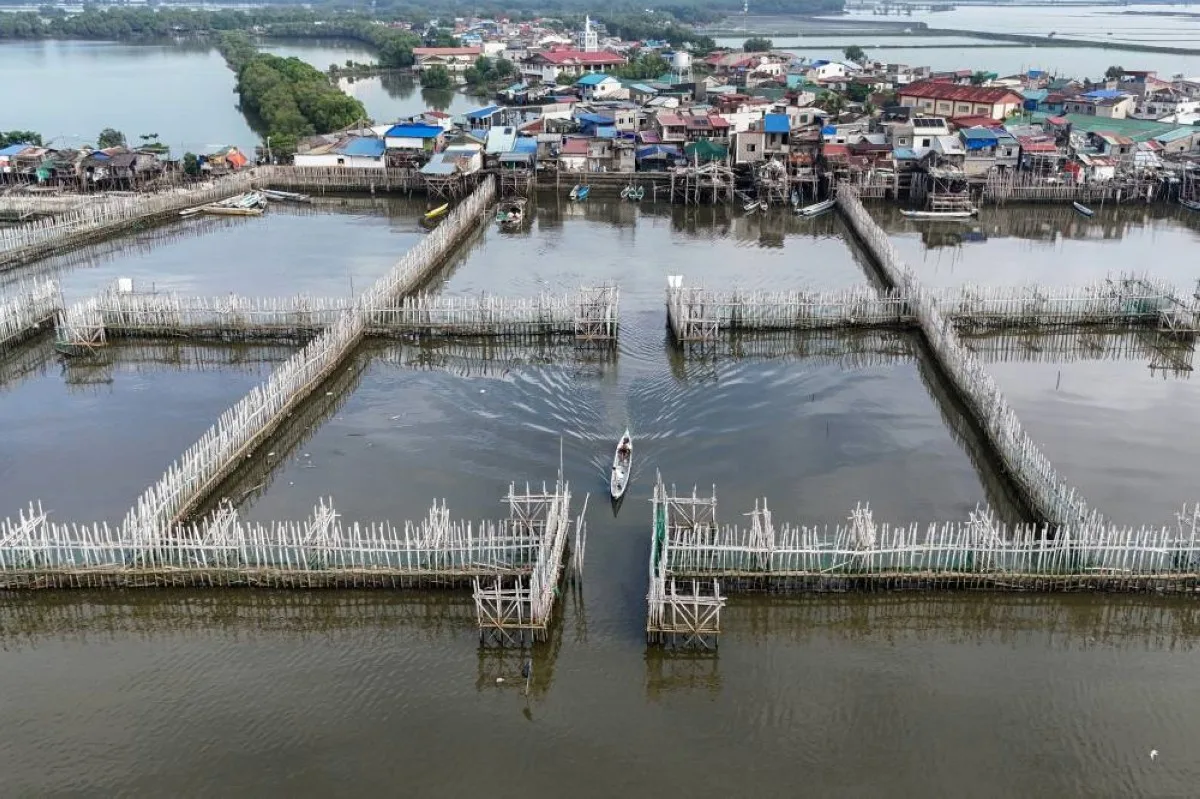
The Philippines has also allocated over $980 million for an El Niño response program to support agriculture, which accounts for about 8 percent of the economy and employs a quarter of Filipinos. An 18 percent decrease in rice production in the last quarter has been recorded due to El Niño and the war in Iran, which has driven up fuel and fertilizer prices.
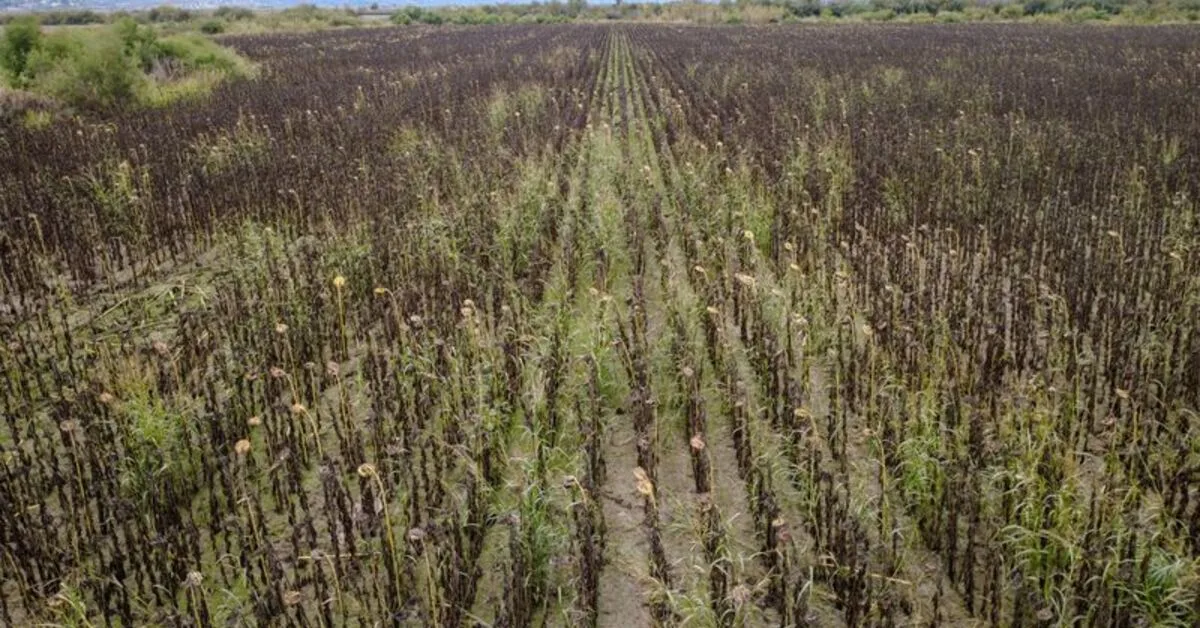
El Niño brings heavy rainfall to some areas and drought to others, both of which can impact harvests, while floods can destroy stored food and disrupt transportation links needed to get products to market. Maximo Torero, Chief Economist at the Food and Agriculture Organization of the United Nations, stated: "For vulnerable households, even moderate increases in food prices can have significant consequences."
Read more: Turkish Farmers Seeking to Adapt to Climate Change Ahead of COP31 · UN Report: This Year is One of the Four Hottest Years on Record