Health and environmental officials in Kuwait are increasing public awareness efforts about the toxic Datura plant, which has been observed in several locations, including residential areas and public spaces. They have warned that consuming any part of this plant can lead to severe poisoning and even death.
Hazards of the Datura Plant
Dr. Abdul Latif Al-Oumi, head of the Poison Control Center at Al-Amiri Hospital, stated that the center has recently encountered severe poisoning cases due to the consumption of toxic plants like Datura. These cases have required hospitalization and treatment, highlighting the need for awareness, especially among children.
Read more: Global Agreement on Reviving the UN Biodiversity Goals
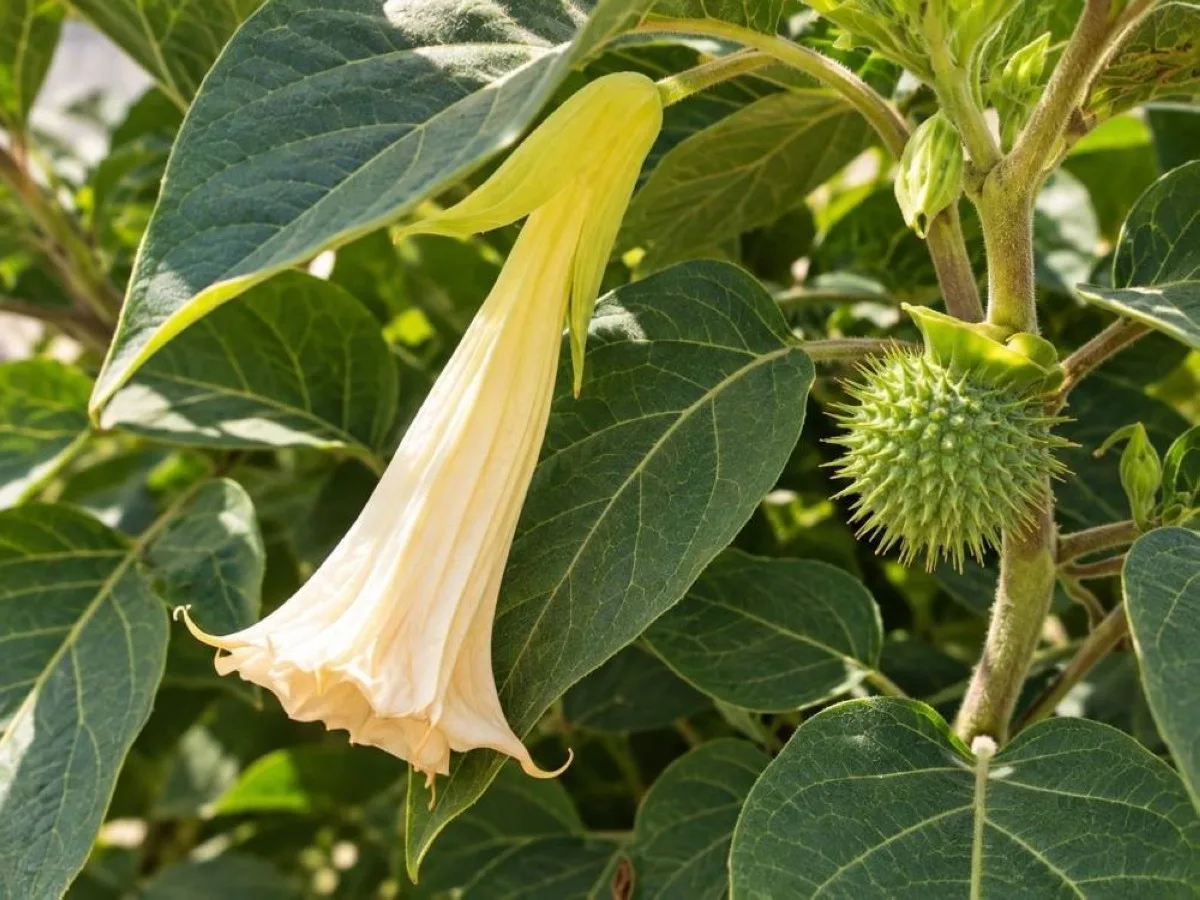
Datura, a seasonal member of the nightshade family, typically appears in spring and summer and can sometimes continue into early autumn depending on temperature and humidity. This plant is identifiable by its large white or purple trumpet-shaped flowers that open at night, large foul-smelling leaves, and round spiky fruits filled with seeds. All parts of this plant contain toxic tropane alkaloids, including atropine, hyoscyamine, and scopolamine. Symptoms of poisoning include dry mouth, dilated pupils, rapid heartbeat, confusion, delirium, and severe hallucinations, which can lead to seizures, coma, and death.
Preventive Measures and Warnings
Dr. Al-Oumi also noted that the center has received reports of this plant's presence in some residential and public areas and is working with relevant authorities to prevent, identify, and remove it. He added that the Datura plant can grow and spread spontaneously, so its presence does not necessarily indicate intentional planting, and the main danger lies in its consumption or misuse.
He urged individuals who have consumed any type of toxic plant and show signs of poisoning to immediately visit the emergency department and to avoid inducing vomiting or using home remedies. He also recommended keeping a clear photo or part of the plant to assist in its identification. The center also provides specialized consultation around the clock at 1804774.
The head of the Wildlife Monitoring Department at the General Environment Authority, Sharifa Al-Salem, stated that this department and the Poison Control Center recently held a coordination meeting regarding reports of toxic plants near public places, especially Datura, as well as poisonous animals including scorpions, snakes, jellyfish, and stonefish. She urged the public not to touch, collect, or consume these plants and to report their locations to the authorities.
The acting director of the Environmental Restoration Department at the General Directorate of Agriculture and Fisheries Resources, Nawaf Al-Hashash, emphasized that this plant easily adapts and produces a large number of seeds that can remain in the soil for a long time and germinate again in the presence of water.
Read more: Brazil Concludes COP30 with Plans to Reduce Fossil Fuels and Deforestation · COP31 in Turkey: World Leaders Emphasize the Need to Accelerate Climate Change Action